 Angela Stefani
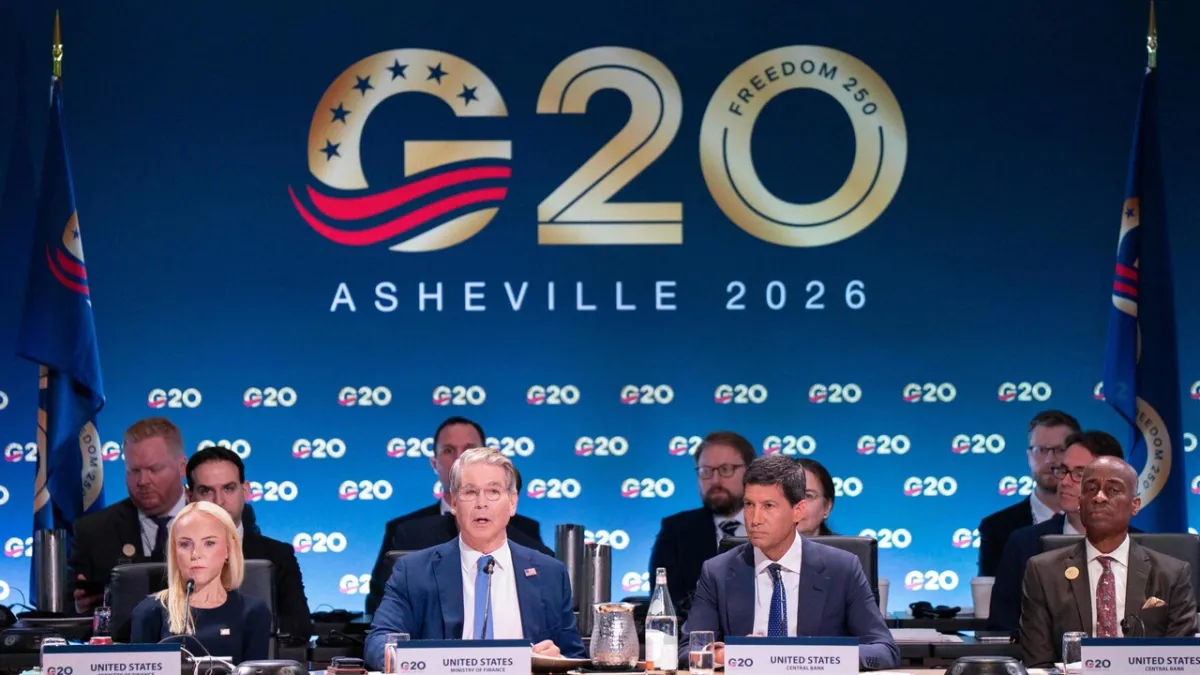
ASHEVILLE – The G20 Finance Ministers meeting in Asheville in 2026 was overshadowed by diplomatic tension as European Union representatives openly voiced a threat to boycott the group photo session. This boycott is a strong protest against the presence of the Russian delegation, led by Finance Minister Anton Siluanov, whose attendance has sparked fierce debate on the global economic stage.
The threat, revealed by internal sources to the ANSA news agency, indicates a sharp division among G20 member states. European ministers reaffirmed their refusal to share a visual platform with representatives from a nation currently facing severe international sanctions and criticism over its geopolitical actions.
Siluanov's presence at this high-level meeting has long been a source of friction. Since the ongoing conflict, several Western countries have sought to isolate Moscow from multilateral forums. However, Russia has insisted on its right to participate, given its position as a major global economy.
Amidst the escalating situation, a bilateral meeting between (an official) Bessent and Siluanov took place on the sidelines of the event. Details of their discussions have not been fully disclosed, but speculation suggests the meeting aimed to de-escalate tensions or find common ground on crucial economic issues facing the G20.
Similar incidents are not new to the G20 forum. In several previous meetings, representatives from G7 and European Union member states also staged protests, ranging from walkouts to refusing to participate in certain agendas, in response to Russia's presence. These tensions are often linked to broader global economic threats, such as when the Kremlin threatened energy attacks in a political context. This reflects the geopolitical dynamics that continue to shape the landscape of global economic diplomacy.
The threat of a group photo boycott is more than just a symbolic gesture. A complete group photo represents unity and consensus in an international forum. The absence of European ministers would send a strong message about fundamental disagreements and could undermine the G20's efforts to present a united front in addressing global economic challenges.
Crucially, the main agenda of the G20 Finance meeting in Asheville includes discussions on global inflation, financial stability, international tax reform, and post-pandemic economic recovery strategies that are still unfolding. The focus on these critical issues risks being distracted by the looming political dispute.
Such diplomatic disruptions have the potential to hinder the achievement of important agreements that require the collaboration of all members. Consensus is at the heart of the G20's work, and without it, the forum's effectiveness in tackling global economic crises may be questionable.
This situation also highlights the dilemma faced by multilateral organizations in 2026: how to balance the principle of inclusiveness with demands for geopolitical accountability. Russia's presence in forums like the G20 will continue to be a sensitive issue as long as conflicts and international sanctions persist.
The international community will closely monitor how the G20 handles this internal friction, and whether global economic consensus can ultimately be achieved amid a deepening whirlpool of political disagreements.
Editorial Insight: The incident in Asheville underscores that geopolitics is now inseparable from the global economy. The EU's boycott threat is not just symbolism, but a reflection of deep disappointment over Russia's presence in a vital forum. This situation could weaken the G20's credibility as a crisis-solving platform, foster fragmentation, and compel major nations to re-evaluate the format of multilateral diplomacy in the future. The G20's future success will largely depend on its members' ability to navigate political complexities without sacrificing the urgency of economic collaboration.