 Edward DP Situmorang

LIMA – A powerful magnitude 6.7 earthquake rocked northern Peru early Thursday, May 25, 2026, with its epicenter located northwest of the town of Upahuacho. This devastating seismic event has sparked serious concerns regarding potential damage to vital infrastructure and the safety of thousands of residents in the affected area.
According to the latest reports from the Geophysical Institute of Peru (IGP), the quake occurred at 02:47 local time at a shallow depth of approximately 60 kilometers, a factor that often intensifies surface tremors. The Modified Mercalli Intensity (MMI) scale is estimated to have reached VI-VII in some of the closest areas.
The strong tremors were widely felt across regional capitals and other surrounding cities, including Pucallpa and Tarapoto, waking numerous residents from their sleep. Some tall buildings in Lima also reportedly swayed, though the impact on the capital was not significant.
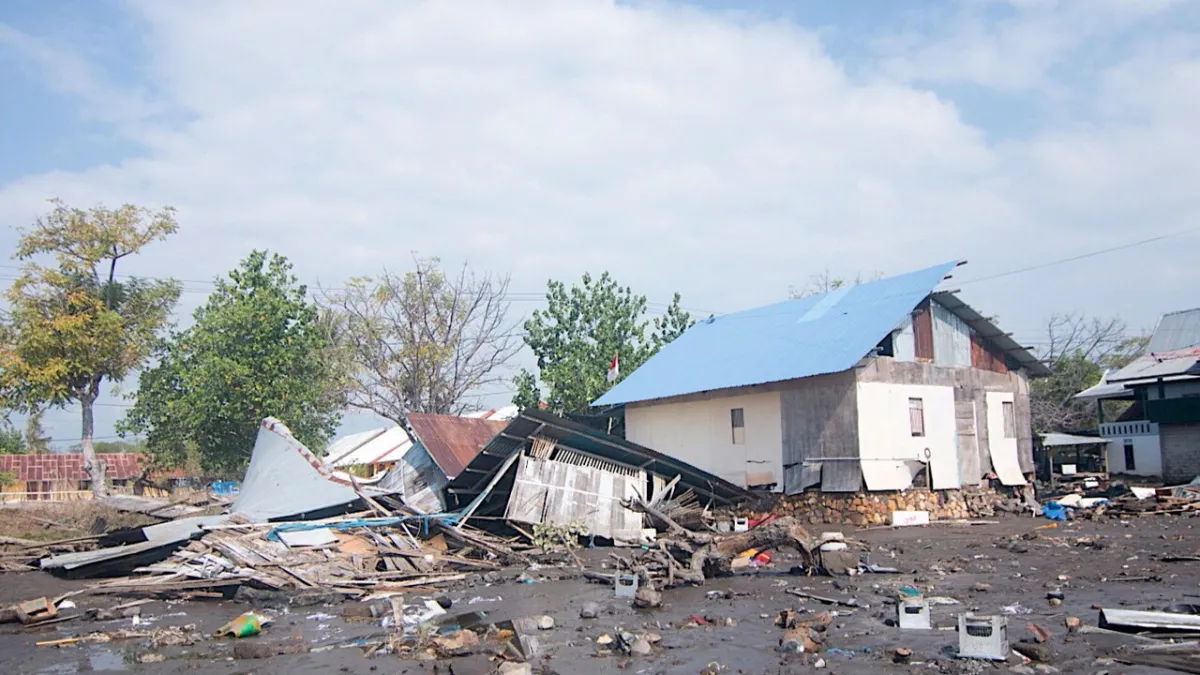
In Upahuacho, near the epicenter, initial reports indicate damage to older homes and non-permanent structures. Several roads leading to remote areas are said to have sustained cracks or even been blocked by minor landslides, complicating access for rescue teams.
The Peruvian government, through the National Emergency Operations Center (COEN) and the National Civil Defense Institute (INDECI), immediately activated disaster response protocols. Rapid assessment teams have been dispatched to the sites to verify damage reports and ascertain urgent needs.
The greatest concern is focused on the rural communities scattered across Peru's Amazonian region, many of which have building structures vulnerable to earthquakes and limited access to aid. Efforts to contact these remote areas are being intensified.
Seismologists and geological experts have issued warnings about the possibility of significant aftershocks. Residents in the affected areas are urged to remain vigilant, keep away from potentially unstable buildings, and always follow instructions from local authorities to ensure safety.
Peru is situated in the Pacific Ring of Fire, making the country highly susceptible to seismic activity and volcanic eruptions. History records a series of devastating earthquakes that have claimed thousands of lives and caused immense economic damage.
Past experiences underscore the importance of rapid response and inter-agency coordination. For instance, a similar earthquake in Colombia some time ago, which triggered a wave of international solidarity including substantial donations from celebrities like Shakira, serves as a valuable lesson in humanitarian aid management. Shakira Shakes Colombia: Fantastic Donations for Education Hope Post-Earthquake.
Beyond physical damage, the psychological impact on earthquake victims is also a concern. Many residents, particularly children, may experience trauma requiring long-term psychosocial support.
Local and international humanitarian organizations are beginning to call for global solidarity to help Peru face this disaster. Aid in the form of basic necessities such as food, clean water, temporary shelters, and medicine is predicted to be in high demand.
The post-earthquake rehabilitation and reconstruction process is projected to be lengthy and require substantial resources. This will be a test of the resilience of the Peruvian government and its people.
Editorial Insight: This earthquake in Peru once again highlights the urgency of enhancing infrastructure resilience and early warning systems in disaster-prone regions. Swift government response, coupled with community preparedness, is key to minimizing casualties and accelerating recovery. Peru must leverage this experience to strengthen future disaster mitigation strategies.