 Angela Stefani
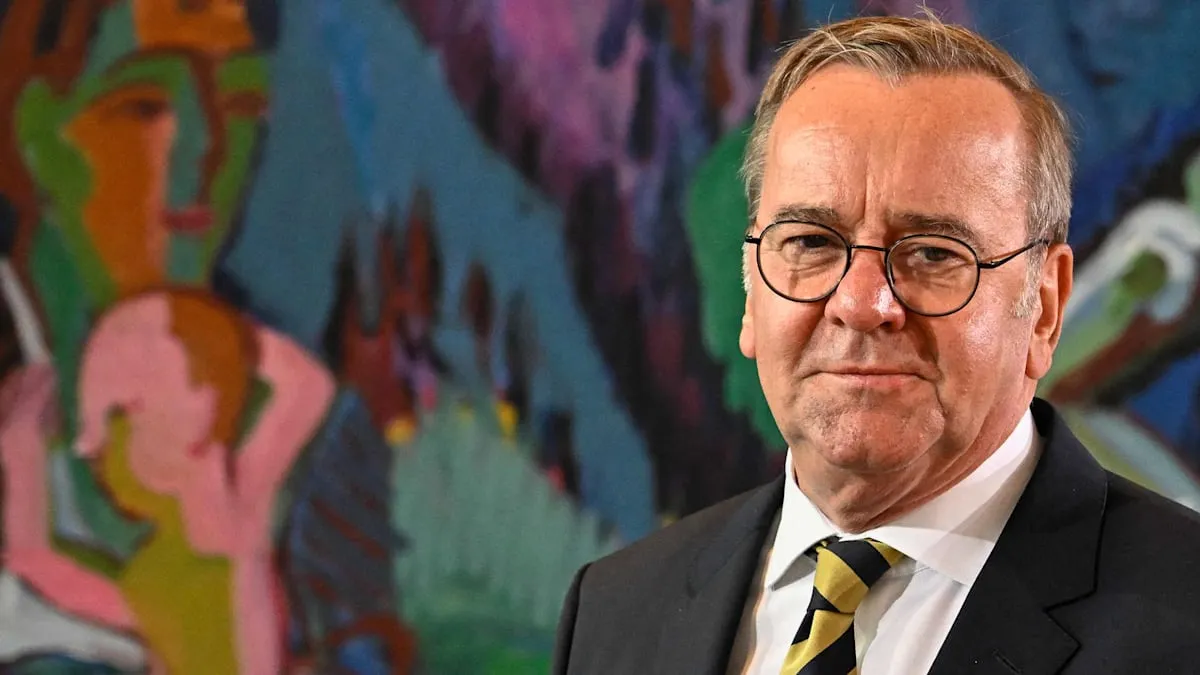
BERLIN — Germany's Social Democratic Party (SPD) is currently facing a critical moment in 2026, having plummeted to a historic low in public opinion polls with only 12 percent support. Amidst this downturn, Defense Minister Boris Pistorius emerges as the sole figure still capable of garnering sympathy and maintaining personal popularity. The big question now is: can his unique appeal become the key to salvation for a party grappling with a crisis of identity and public trust?
SPD's situation has drawn sharp scrutiny. Latest survey data released in early 2026 shows a worrying downward trend in electability, placing the coalition party in its most vulnerable position in modern German political history. The German public appears increasingly skeptical of the SPD's capacity to tackle various national challenges, ranging from economic crises and immigration issues to geopolitical turmoil.
However, among other SPD leaders, Boris Pistorius's name shines brightly. Since taking office as Defense Minister in January 2023, the former Lower Saxony Interior Minister has consistently ranked at the top of individual popularity polls. His direct, decisive character and his ability to communicate effectively are seen as an antithesis to the general perception of political stagnation within the party.
Analysis from Ulrich Exner, a senior writer at the prominent WELT media, sharply underscores this phenomenon. Exner states, “Pistorius’s strength lies in the weakness of others.” This implies that Pistorius’s appeal is not solely due to his own merits, but also to the lack of strong figures or the fading charisma of other politicians, both from within the SPD and rival parties.
SPD's electability crisis is not just a temporary fluctuation. It reflects deeper structural challenges, including demographic shifts in voters, a failure to formulate an agenda relevant to the needs of the younger generation, and public perception of the governing coalition's inability to address concrete problems. Internal debates about the party's direction also pose a stumbling block to consolidating power.
Although Pistorius possesses political capital in the form of popularity, the journey to save the SPD from the brink of crisis will not be easy. The party needs more than just a popular figure; they require fundamental reforms in communication strategy, policy platform, and organizational structure. This effort must be comprehensive to regain the hearts and trust of voters.
Pistorius's role as Defense Minister is indeed crucial, especially amid rising global geopolitical tensions. His proactive policies in modernizing the German military and his support for Ukraine have given him an image as a strong and authoritative leader in the public eye. This image contrasts sharply with the doubts surrounding the overall effectiveness of the cabinet.
However, this position also limits his ability to directly influence domestic policy or the party's overall ideological direction. If Pistorius genuinely wishes to be the SPD's savior, he may need to take a more central role in party leadership, even considering a candidacy for chancellor in the upcoming general election.
Another significant challenge is how to translate individual popularity into party support. Modern German political history has shown that the personal charisma of a politician does not always automatically correlate with their party's electability. Voters tend to be more critical and consider the party's entire track record, not just one figure.
The SPD needs to leverage Pistorius's momentum to revitalize its traditional voter base while reaching broader segments of society. This includes crafting a coherent political narrative, offering concrete solutions to the socio-economic problems faced by the German society in 2026, and demonstrating internal unity.
Amidst various issues afflicting Germany, such as the threat of inflation exacerbated by the global energy crisis, the SPD's ability to recover heavily depends on a solid leadership strategy. If Pistorius can effectively rally internal and external support, he might become the architect of the party's resurgence.
But if this opportunity is missed, the SPD risks continuing its slide into historical obscurity, while Boris Pistorius's popularity will remain an anomaly that failed to be leveraged for the collective good of the party. The future of the red rose party now rests in the hands of its brightest figure.