 Dodi Irawan
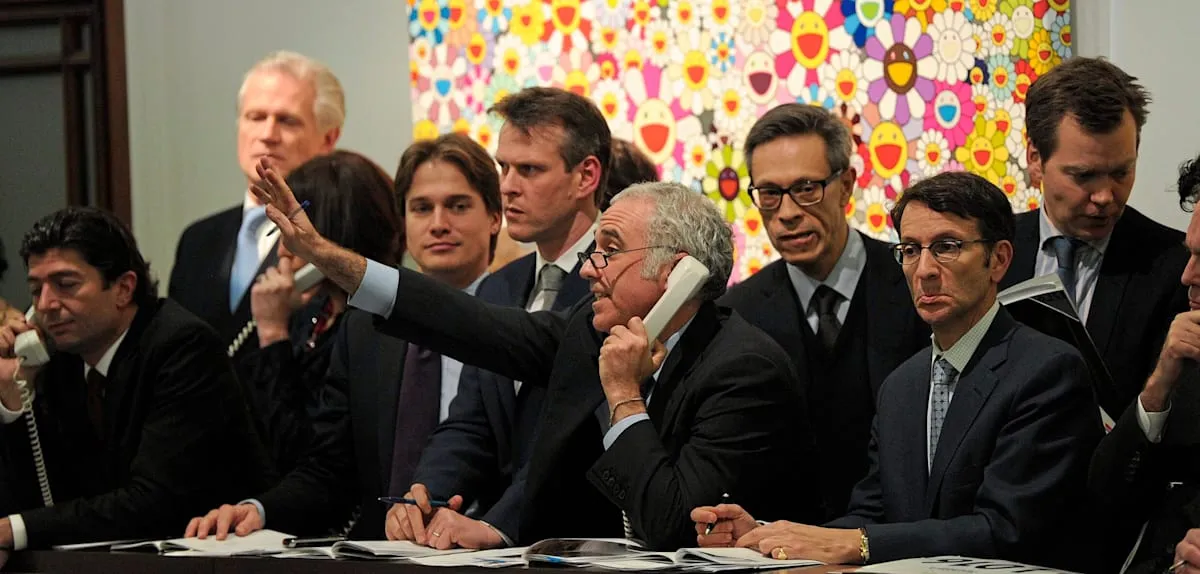
LONDON – The global art market is currently being shaken by the increasing prevalence of auction guarantees, sparking fierce debate about transparency and fairness. This system, intended to provide certainty for art sellers, is now accused of being a double-edged sword, potentially undermining the integrity of art trade and disproportionately benefiting a select few. The guarantee mechanism is feared to create an opaque environment at the heart of the art business.
Traditionally, art auctions have been known as the most transparent platform in art trade. However, the presence of guarantees fundamentally alters this dynamic. A guarantee is an agreement between an auction house and a third party (or sometimes the auction house itself) to assure a minimum price for a work, regardless of the actual auction outcome. If the work sells below the guaranteed price, the guarantor pays the difference. If it sells above, the guarantor is entitled to a share of the profit.
The concept of guarantees was initially applied to attract high-value artworks to the market, assuring owners that they would receive a minimum return on their investment. It was a risk management tool designed to protect consignors from market uncertainties. However, over time, this practice has evolved to become more complex and less visible to the public.
This practice significantly compromises transparency. When a work has a guarantee, potential buyers are not always aware that a third-party interest has locked in a minimum price. This crucial information, which can influence value perception and bidding decisions, is often not fully disclosed, creating an information asymmetry detrimental to some auction participants.
So, who truly benefits from this evolving system? One of the primary beneficiaries is sellers or consignors with rare or high-value art collections that are difficult to market. With a guarantee, they gain a financial safety net, allowing them to sell works without fear of an excessively low price.
Major auction houses, such as Sotheby's and Christie's, also reap substantial benefits. Guarantees enable them to secure important and prestigious lots that can attract global market attention, elevate their profile, and ultimately generate larger commissions from sales. Without guarantees, many significant works might never reach the auction block.
However, this new system is not limited to minimum price offerings. It often involves much more intricate arrangements, where third parties (often speculators or art investors) act as guarantors, hoping to make significant profits if the work sells at a fantastic price. This mechanism can indirectly influence starting prices and market expectations, creating an illusion of strong demand.
Critics argue that these guarantee practices can manipulate the market. With a guarantor already securing a price, competition in auctions can become less organic. This can discourage new buyers or smaller collectors who feel they do not have complete information to compete fairly.
This phenomenon is not confined to a single art hub. From New York to London, and Hong Kong, similar dynamics are observed across global art trade centers. The scale and complexity of guarantees vary, but their effect on market clarity remains a primary concern among art observers and legal practitioners.
Some parties have voiced the need for stricter regulations or clearer disclosure standards. They believe that full transparency regarding guarantees, including the identity of the guarantor and details of financial agreements, would restore trust and ensure the art market operates on principles of fairness.
Without intervention or significant changes in regulation, the dominance of these guarantees could continue to erode trust. The art market's potential to be a fully inclusive and open arena may be hampered, with profits tending to flow to a handful of major players with greater access to information and capital.
Editorial Insight: Auction guarantee practices, while well-intentioned to stabilize prices and attract important works, have exposed serious flaws in maintaining art market transparency. The challenge now is to find a balance between the financial innovations necessary for a dynamic global market and the principles of honesty essential for the credibility of art trade. Regulators and auction houses bear the responsibility to ensure that any new system does not sacrifice integrity for short-term gains, thereby preserving a healthy and sustainable art ecosystem for all stakeholders.