 Robert Andrison
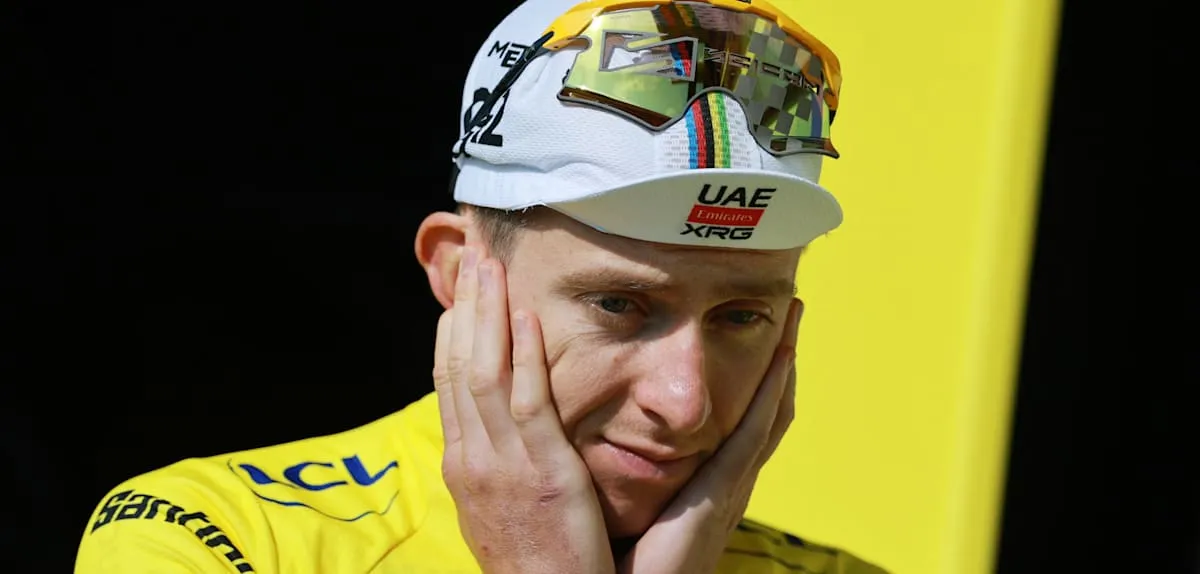
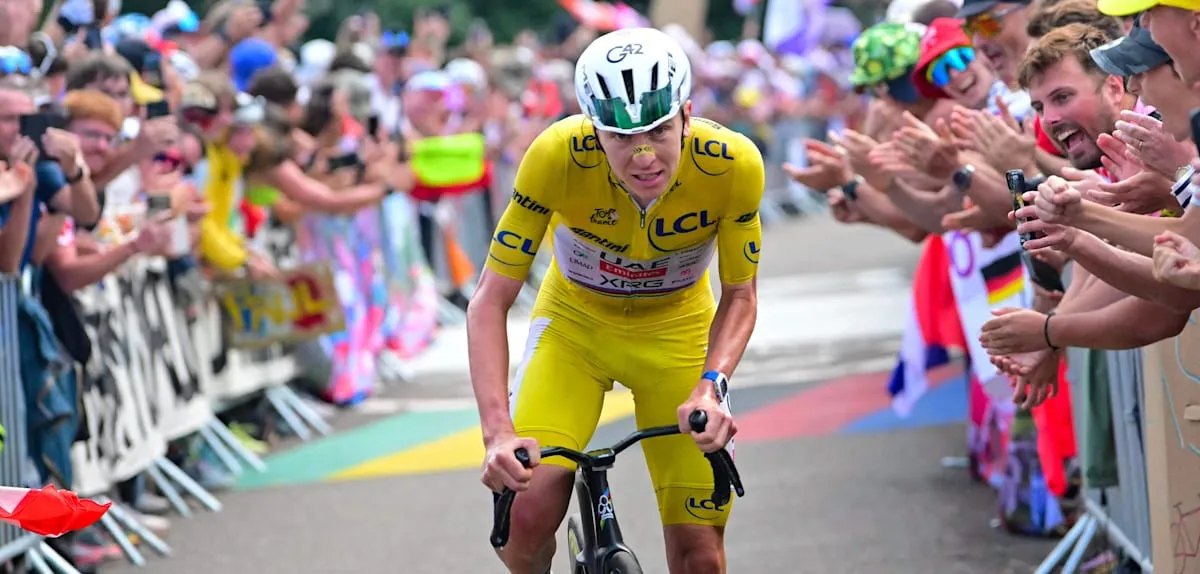
Paris — The cycling world is reeling from a strong statement by star cyclist Tadej Pogacar following the severe crash that befell his fiercest rival, Jonas Vingegaard, during a crucial stage of the 2026 Tour de France. Pogacar, usually known for his composure, surprisingly launched a scathing critique of the race conditions, including the practice of nighttime doping controls, which he labeled "inhumane" and potentially harmful to athletes' health. This incident not only ended Vingegaard's hopes in the prestigious event but also sparked a fierce debate about safety standards and extreme demands in professional sports.
The crash that took Vingegaard out of the competition occurred on a challenging stretch in the Alps, where he lost control of his bike during a steep descent. Medical teams immediately provided treatment, but the injuries sustained by the Danish rider were too severe for him to continue the race. Vingegaard's withdrawal, a two-time defending champion, automatically reshapes the competition landscape and brings profound sadness to fans and fellow athletes alike.
In the post-crash press conference, Pogacar could not hide his disappointment. "This is truly inhumane," he stated with an angry tone, referring not only to the on-track incident but also to a series of pressures faced by riders. "We are pushed to our physical and mental limits, and then we have to face doping checks in the middle of the night. These conditions make recovery extremely difficult and dangerous."
Pogacar's statement specifically highlighted the schedule of doping controls often conducted in the early hours. He questioned the ethics and long-term impact of procedures that disrupt vital athlete rest. According to Pogacar, such practices exacerbate fatigue and limit essential recovery time, especially in multi-stage races like the Tour de France, which demand extreme endurance.
No official response has yet been issued by the Union Cycliste Internationale (UCI) or the Tour de France organizing committee regarding these "inhumane" accusations. However, calls to review safety protocols and doping control procedures are likely to intensify following this tragic incident. The cycling community has long debated the balance between sporting integrity and athlete well-being.
The history of the Tour de France records numerous serious accidents, demonstrating the inherent risks in this sport. From high-speed collisions to pile-ups in the peloton, riders constantly face danger. However, Vingegaard's crash this time feels different due to the emotional reaction from his main rival, which raises more fundamental issues about the demands of competition.
Incidents like these not only leave deep physical impacts but also profound psychological ones for athletes. Seeing a teammate or main rival fall and suffer severe injuries can lower morale and increase tension among riders. Solidarity often emerges in difficult times, but it also prompts reflection on the price to be paid for glory on the track.
The debate about athlete protection is increasingly relevant. Many parties, including former riders and athlete associations, are calling for reform. They propose enhancing route safety standards, adjusting race schedules, and re-evaluating anti-doping protocols to be more humane without compromising their effectiveness.
With Vingegaard's absence, the competition at the top of the 2026 Tour de France standings becomes more open, yet also feels somewhat anticlimactic for some observers. The focus now shifts to who will fill this void and how other riders will respond to these new pressures, both on and off the track.
Pogacar's criticism following Vingegaard's crash is not merely a momentary expression of emotion. It is a strong call for all stakeholders in professional cycling to reflect on humanitarian values amidst competitive ambitions. The future of this sport may depend on a willingness to adapt and prioritize the health and well-being of its athletes.