 Angel Doris
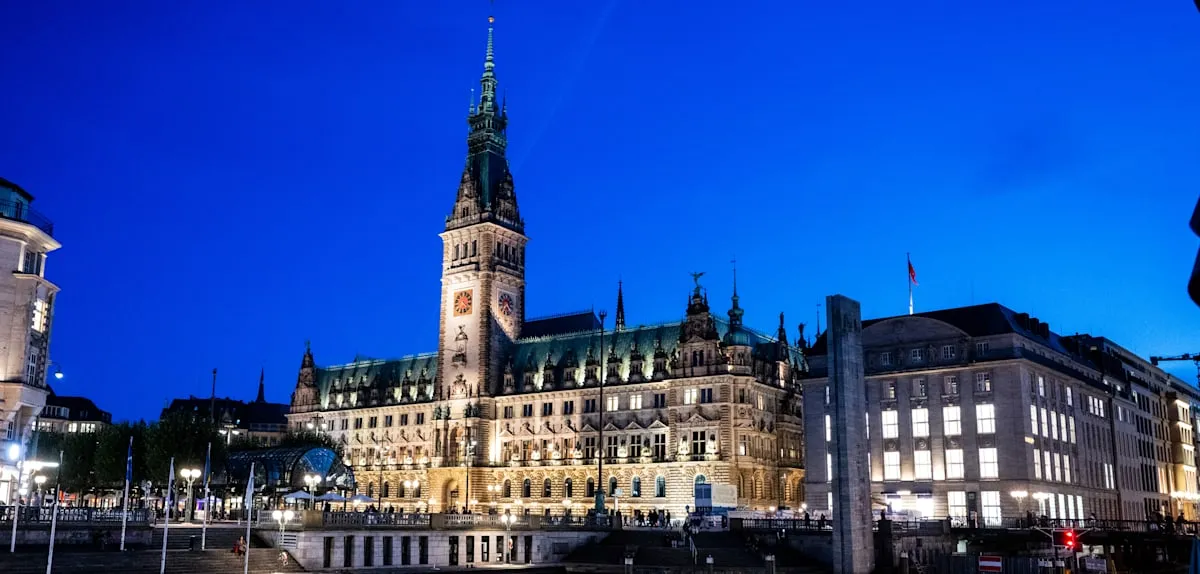
HAMBURG – A special parliamentary session at Hamburg City Hall on Monday concluded without substantive debate, sparking profound disappointment among parents, teachers, and students demanding clarity on controversial planned school budget cuts. Opposition parties accused the Red-Green coalition of deliberately avoiding crucial discussions, leaving vital questions unanswered.
Education stakeholders, ranging from parent committees to teacher unions, had expressed high hopes that this session would serve as a forum for open dialogue and problem-solving. They anticipated gaining insight into the concrete impact of the budget cuts on the quality of learning and school facilities in Hamburg. However, these hopes were dashed amidst bureaucratic procedures that hampered constructive discussion.
The proposed school budget cuts are not a new issue. The Hamburg city government has repeatedly hinted at the need for financial adjustments across various sectors, including education. Yet, details regarding the specific areas to be affected and the justification behind these decisions remain shrouded in obscurity for the public.
The brief special session became a focal point of public attention. Instead of facilitating an exchange of ideas and arguments, the proceedings were marked by tension. The established procedures reportedly did not allow sufficient room for opposition representatives to pose substantial questions or initiate constructive debate.
The CDU party, through its spokesperson, strongly condemned the session's conduct. They accused the Red-Green coalition, comprising the Social Democratic Party (SPD) and the Green Party, of having refused a direct confrontation with this highly sensitive issue. These accusations suggest a systematic attempt to stifle criticism and evade political accountability.
Similarly, representatives from Die Linke party asserted that this incident constituted a disregard for the voice of the people and a serious crisis of local democracy. According to them, the government not only failed to meet public expectations but also undermined the principles of transparency and accountability in city governance.
As of the publication of this report, the Red-Green coalition has not issued an official response to the accusations leveled by the opposition parties. This silence only exacerbates the situation and strengthens the public perception that something is being concealed.
Budget cuts in the education sector have the potential for long-term consequences. The quality of school infrastructure, the availability of qualified teaching staff, and essential extracurricular programs could all be jeopardized. This, in turn, will directly impact the future of Hamburg's younger generation.
Hamburg's residents are now faced with the question: how can such vital decision-making processes occur without transparent deliberation and adequate public participation? Pressure for answers and clarity is expected to continue mounting, potentially leading to further protests.
Various civil society organizations and education advocacy groups have announced plans to continue pressing the city government to reopen channels for dialogue. They demand that the budget adjustment process be conducted with prudence, considering social impacts, and involving all relevant parties.
Editorial Insight: This incident in Hamburg highlights the fragility of democratic processes when crucial policies, such as the education budget, are met with a lack of transparency and a refusal to engage in debate. The government's reluctance to engage in open dialogue not only erodes public trust but also risks setting a poor precedent for participatory city governance. A fair and transparent resolution to this controversy is crucial for the future of education and local political stability in Hamburg.