 Stefani Rindus
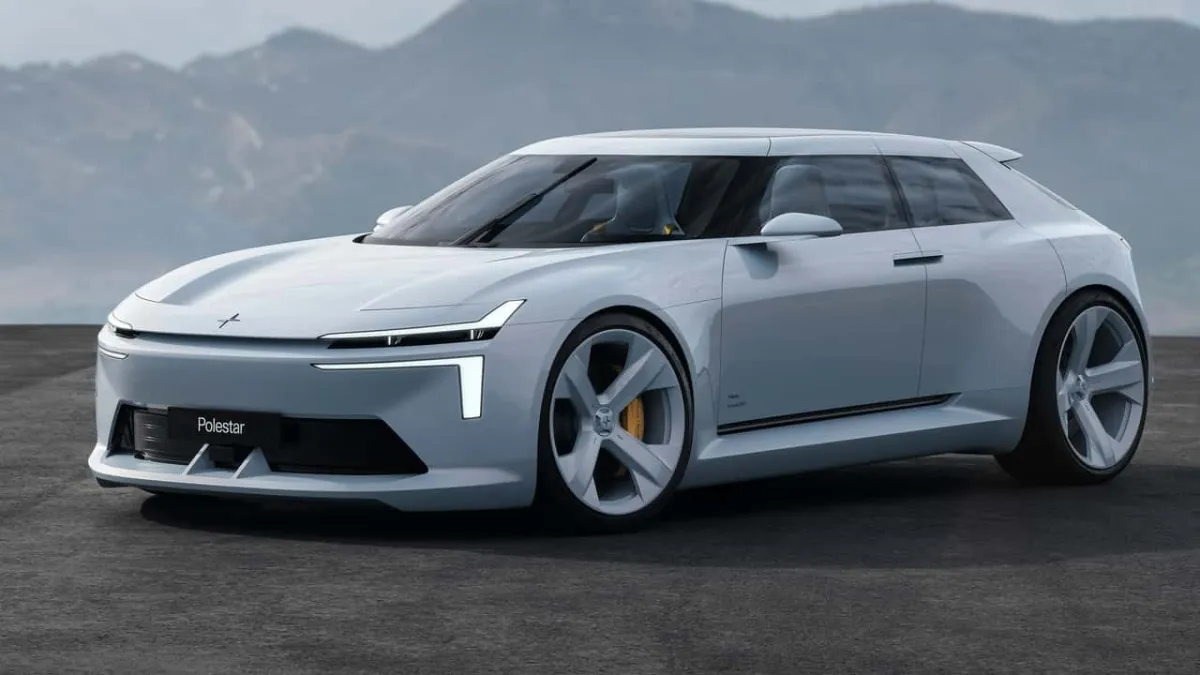
GOTHENBURG – Polestar, the Swedish high-performance electric automotive brand, recently unveiled its latest concept car, garnering widespread praise for its futuristic aesthetics and radical design innovations. However, amidst the euphoria, a surprising announcement emerged: this captivating concept model will never reach full-scale mass production. Instead, only select design elements will be adopted into future Polestar production vehicles. The company made this announcement in the second quarter of 2026, raising questions about why such a revolutionary design will not be fully realized.
The concept, yet to be given a specific name, showcases Polestar's vision for sustainable mobility and electric performance in the future. Designers were seemingly given complete freedom to explore the boundaries of automotive design, resulting in a sleek, aerodynamic silhouette and a minimalist interior rich with cutting-edge technology. This aligns with Polestar's reputation for bold visual and functional innovation.
The primary appeal of this concept lies in the seamless integration of form and function. Flowing body lines, iconic LED lighting, and the extensive use of recycled or sustainable materials throughout the cabin are key highlights. For instance, its interior features responsive integrated touchscreens and an artificial intelligence-powered infotainment system, offering an intuitive and luxurious driving experience.
Nevertheless, Polestar's decision not to produce this concept car in its entirety is not uncommon in the automotive industry. Concept cars often serve as platforms for manufacturers to explore radical ideas, gauge market reactions to new design trends, or simply showcase technical capabilities and brand philosophy without being constrained by mass production limitations.
A Polestar spokesperson, who preferred to remain anonymous, affirmed that the primary goal of this concept is to set the design and technology direction for the next generation of Polestar models. They added, Several key design elements that have resonated strongly with the public will find their way into our future production vehicles, ensuring the futuristic DNA remains alive.
Design elements most likely to be adopted include:
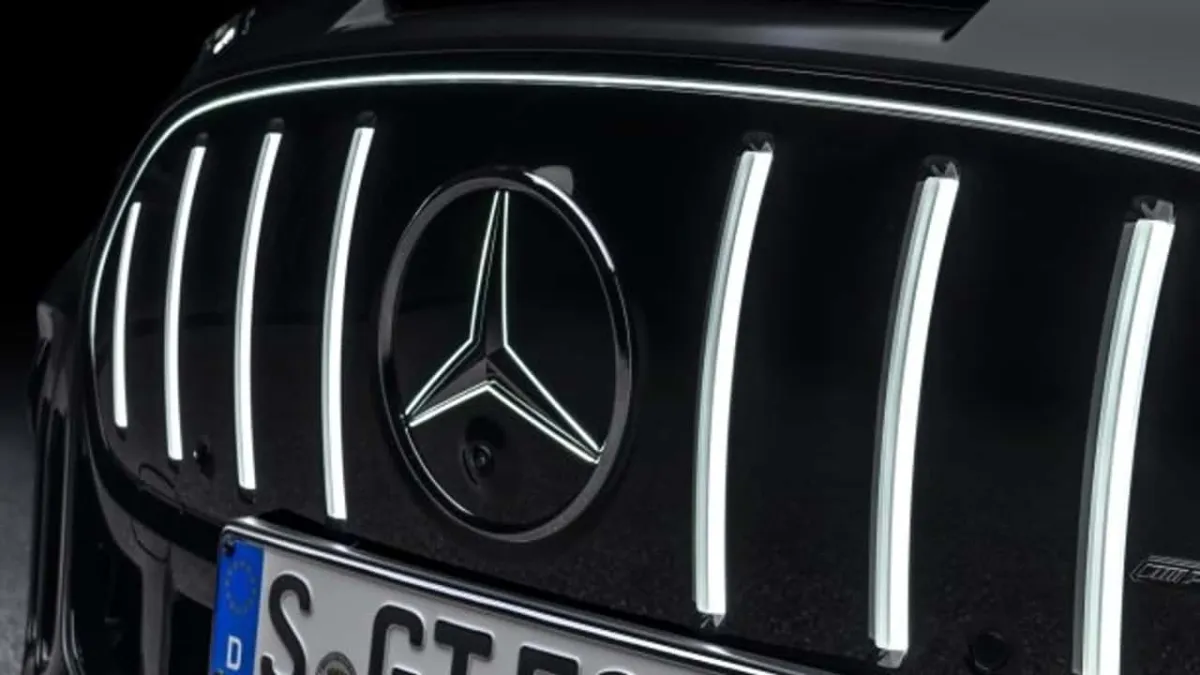
- Polestar's distinctive lighting signature, particularly at the front and rear.
- Extreme aerodynamic proportions, adapted for energy efficiency.
- The use of sustainable interior materials and intuitive user interfaces.
This implies that the public can expect to see innovative touches from this concept in upcoming Polestar models, albeit not as a total replica.
Public reactions have been mixed. Many automotive enthusiasts and potential consumers expressed deep disappointment, hoping Polestar would be bold enough to bring this visionary design to market. However, others understood the industry's realities, where production cost constraints, safety regulations, and market demands often necessitate compromises from initial concept designs.
This move also underscores the challenges faced by electric vehicle manufacturers in balancing radical innovation with production feasibility and price competitiveness. Similar trends are visible with other players in the market, such as Tesla facing Cybertruck production hurdles until 2027, demonstrating the complexity of transforming futuristic visions into mass-market reality.
Polestar continues to innovate with its production models, such as the Polestar 3 and Polestar 4, which are already successful in the global market. This latest concept serves as a beacon, illustrating the brand's design and technology aspirations for the coming decade, extending far beyond the limitations of current models.
Although this concept will not be mass-produced, its impact on Polestar's design direction cannot be overlooked. It will influence the visual language and technological innovations we will see in future Polestar models, ensuring the brand remains at the forefront of electric automotive design.
This decision confirms Polestar as a bold innovator, while also being realistic in facing production challenges. This concept design will be an interesting case study on how vision and reality interact within the rapidly evolving automotive industry landscape.
Editorial Insight: Polestar's decision not to fully produce this stunning concept car, though disappointing, is a strategically sound move. Manufacturers often use concepts as idea laboratories. By integrating its best elements into more affordable and regulatory-compliant production models, Polestar ensures their design innovations remain relevant and accessible to a broader audience, without sacrificing business viability. This is an effective way to maintain a progressive brand image while safeguarding operational stability.