 Stefani Rindus
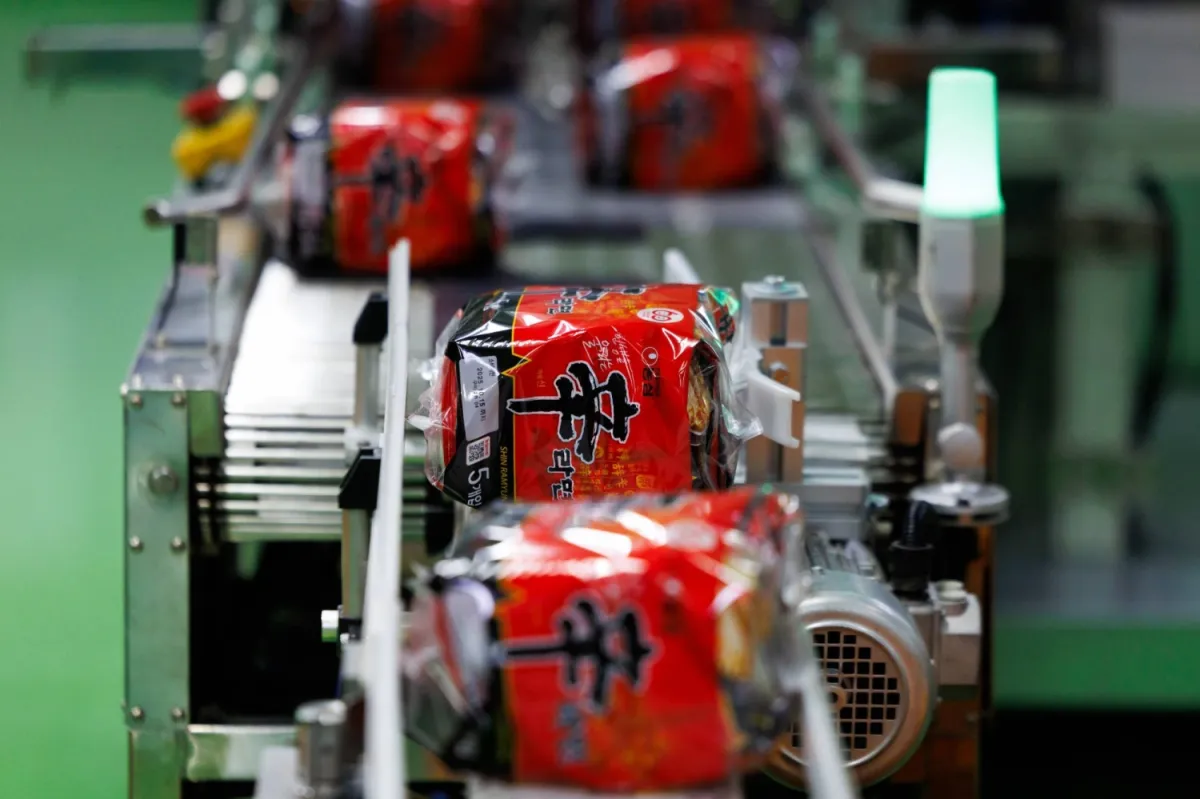
Seoul – South Korea's two instant ramen giants, NongShim and Samyang, are now locked in fierce competition beyond domestic borders, targeting global market dominance in 2026. They are racing to capitalize on the massive wave of K-food popularity that has pushed Korean instant noodles into supermarket shelves in various parts of the world. This phenomenon marks a new era for the instant food industry of the Land of the Morning Calm.
The popularity of Korean pop culture, or Hallyu, has not only brought K-pop music and K-dramas to the global stage but has also stimulated global interest in Korean cuisine. Instant noodles, with their distinctive spicy flavors and unique variations, have become one of the fastest adopted products by international consumers, making them a key player in K-food expansion.
NongShim, the legendary producer of Shin Ramyun, has long been a key player in the instant noodle industry. Established decades ago, the company built its reputation through quality and consistent flavors loved by many, both domestically and internationally. Shin Ramyun, with its iconic red packaging, often serves as the first representation of Korean instant noodles for many foreign consumers.
NongShim's expansion strategy focuses on broad distribution and local adaptation. They have established factories outside Korea, such as in the United States and China, to meet growing demand and reduce logistics costs. This step is essential for efficiently placing their products in strategic markets.
On the other hand, Samyang emerged as a disruptive new force, particularly through its Buldak Bokkeum Myeon product line, widely known as 'fire noodles'. These extra spicy noodles became a viral sensation on social media, sparking spicy noodle challenges that captivated millions of users worldwide, transforming them into a culinary icon.
Samyang's success is inseparable from its meticulous digital marketing strategy. They leverage the power of influencers and online trends to turn their products into cultural phenomena. This approach has allowed Samyang to penetrate markets previously dominated by established brands, carving out its own niche.
This fierce competition has proven to be highly profitable for both companies. Sales data indicate a significant increase in Korean instant noodle exports. NongShim and Samyang report stable revenue growth from international markets, proving that their aggressive strategies are yielding positive results.
To maintain competitiveness in the dynamic instant noodle market, both companies continue to innovate. They launch new flavor variants tailored to regional tastes, such as cheese, carbonara, or even more exotic flavors, ensuring that global consumers have many appealing options.
However, global expansion is not without significant challenges. These two instant noodle giants must contend with varying food regulations in each country, intense competition from local brands, and currency fluctuations. Building an efficient global supply chain is also a major focus that requires substantial investment.
Emerging markets, particularly in Southeast Asia, Latin America, and Africa, offer substantial growth opportunities for Korean instant noodles. A young, digitally savvy population open to foreign cultures represents a very promising target market for NongShim and Samyang's products.
The success of these instant noodle exports also positively impacts the South Korean economy as a whole. The food industry has become one of the most promising non-tech export sectors, creating jobs and enhancing the national brand image on the global stage.
Looking ahead, product and supply chain sustainability will be key. Global consumers are increasingly concerned about environmental and health issues, pushing manufacturers to consider more eco-friendly raw materials and healthier options for a sustainable industry future.
Editorial Insight: The rivalry between NongShim and Samyang is not merely a struggle for market share; it reflects the adaptability and innovation of the Korean food industry in the face of globalization. Both have successfully transformed everyday products into cultural icons that transcend geographical boundaries. The sustainability of this momentum will largely depend on their ability to continue innovating and anticipating shifts in global consumer tastes, while maintaining brand integrity amid dynamic market challenges. This phenomenon also demonstrates how startups and companies from Asia are increasingly daring to compete on the global stage with innovative products.