 Stefani Rindus
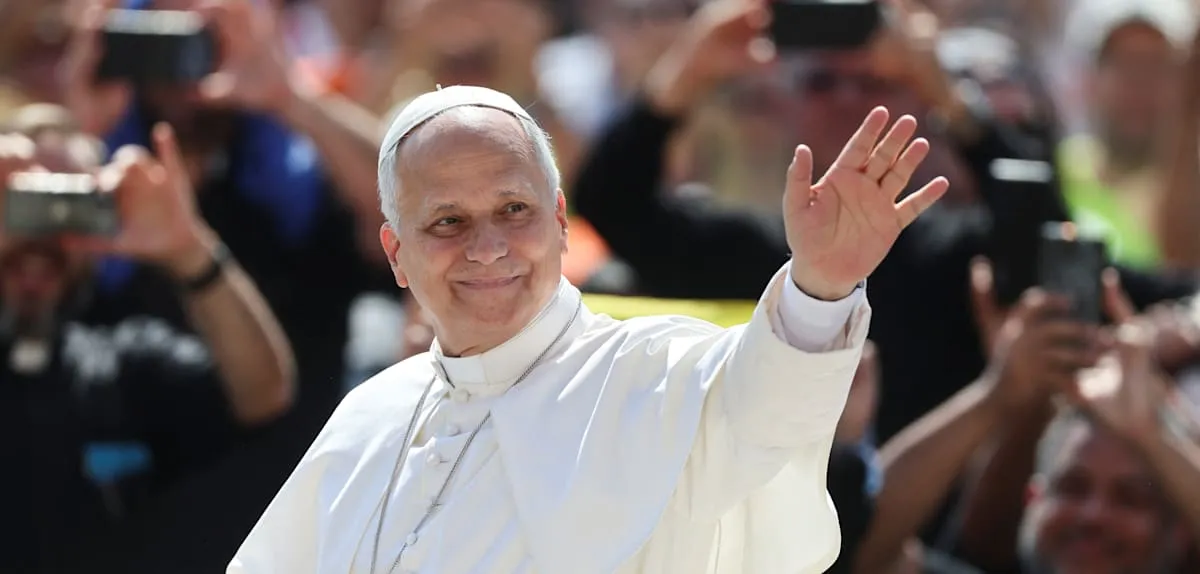
For about a year since assuming office, Pope Leo XIV has transformed into a respected moral authority for millions, including non-believers. His unique approach, blending a deep understanding of pop culture and contemporary issues, makes him a relevant voice on the global stage, even amid a fierce dispute with former US President Donald Trump.
Pope Leo XIV’s presence in the Holy See of Vatican City brings a new nuance to the Catholic Church. He speaks not only from sacred pulpits but is also adept at using digital mediums and language that resonates with millennials and Gen Z. His messages, often conveyed concisely and directly, can transcend geographical and belief boundaries.
Social analyst from the University of Rome, Dr. Elena Rossi, explains this phenomenon. "Pope Leo possesses an extraordinary sensitivity to the pulse of popular culture," Dr. Rossi stated. "He understands the narratives that move modern society, from internet memes to global environmental issues, and is able to integrate them into his spiritual messages without sounding superficial."
His appeal is not limited to Catholics. Many individuals unaffiliated with any religion now look to him as a source of ethical and moral inspiration. They perceive Pope Leo as a figure who dares to speak truth and confronts the challenges of the age with integrity.
One of the most captivating aspects for the public is his ongoing dispute with Donald Trump. This disagreement, often playing out publicly on social media and in interviews, stems from fundamental differences in views regarding humanitarian issues and global policies.
When addressing refugee issues, for instance, Pope Leo consistently voices empathy and the need for universal solidarity, while Trump frequently espouses rhetoric of strict border controls and security. This creates a sharp contrast that draws international media attention.
"The debate between Pope Leo and Trump is not just a political argument; it represents two opposing poles of worldviews," commented Professor Mark Jensen from the Washington Institute of International Studies. "The Pope embodies universal humanist values, whereas Trump represents a hardline nationalist pragmatism."
These tensions escalated following several controversial statements by Trump regarding the role of religious institutions in global politics. Pope Leo, without hesitation, responded with firm moral rebukes, emphasizing the importance of upholding human dignity above all short-term political interests.
Ironically, this very dispute has strengthened Pope Leo’s position in the eyes of the global public. Many view him as the sole figure courageous enough to stand firm against political forces perceived as oppressive or unethical.
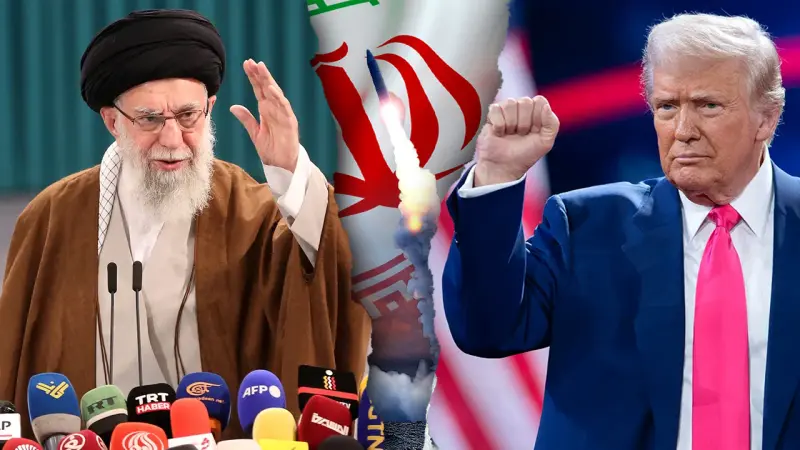
Amidst global political turmoil, where various crises continually emerge—ranging from energy crises to geopolitical tensions in the Middle East, such as the escalating conflict between Iran and the United States—Pope Leo XIV’s voice serves as a beacon. He calls for dialogue, peace, and justice, even if his messages often go against the mainstream current of power politics.
His ability to adapt to modern communication trends, coupled with his courage in addressing sensitive issues, has made Pope Leo XIV the Pope who is "listened to" by many. He is not just a spiritual leader but also a cultural icon capable of influencing global narratives.
This represents a paradigm shift in the leadership of the Catholic Church. From the ivory tower of the Vatican, Pope Leo XIV directly engages with the "field" of public opinion, using the same platforms as celebrities and politicians to disseminate his message.
His bravery also echoes other moral figures who were unafraid to go against the grain. For instance, how Senator Graham, though a close ally of Trump, sometimes voiced differing views on several critical issues, illustrating the complexities within elite political circles.
"He demonstrates that moral authority does not have to be cloaked in rigid tradition, but can be relevant and dynamic," Dr. Rossi added. "This is an important lesson for other institutions seeking to remain relevant in an era of digital disruption."
Pope Leo XIV’s future in the Vatican looks bright, full of challenges, and will undoubtedly continue to capture global attention. His actions will serve as an intriguing case study on how religion can interact with a fast-paced, interconnected modern world.