 Chris Robert
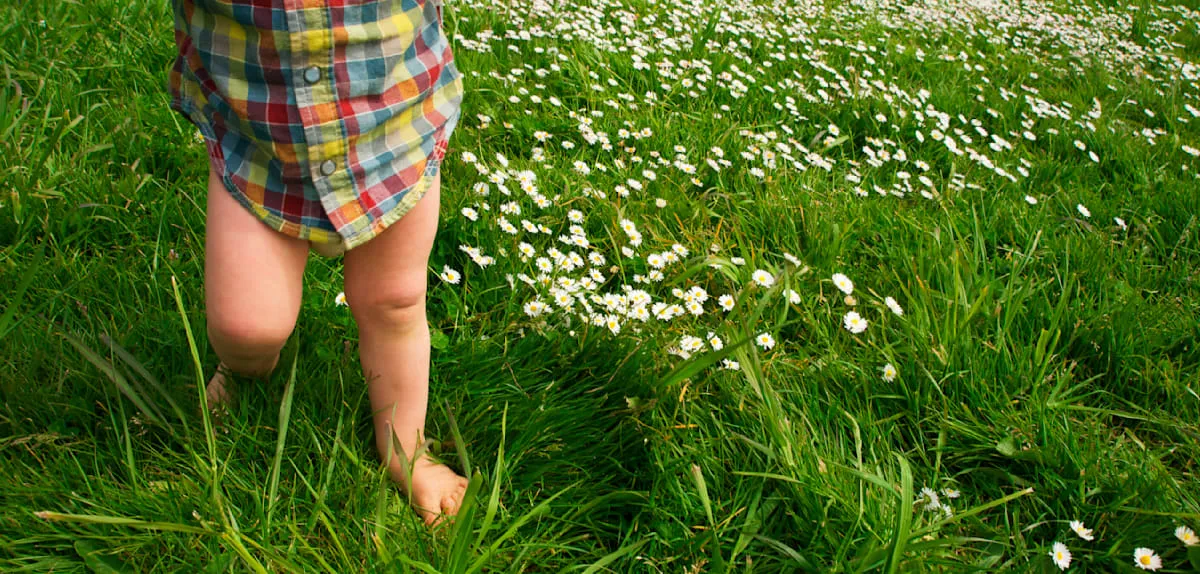
JAKARTA – The recommendation of 10,000 steps daily as a benchmark for adult health has long been a global fitness mantra. However, a recent scientific study surprisingly reveals that this target is easily surpassed by preschoolers. This data challenges conventional understanding of ideal physical activity levels, simultaneously opening eyes to the lifestyle gap between generations.
The study, conducted by an international research team, focused on the movement patterns of children aged three to five years across various geographical backgrounds. Scientists aimed to understand how active this vital age group is, whose growth heavily relies on optimal physical activity. They used advanced motion tracking technology attached to the children for several days.
The research findings sparked astonishment among academics and health practitioners. Preschoolers, on average, managed to exceed the 10,000-step mark daily, with some even reaching 15,000 to 20,000 steps in a single full day. Their spontaneous activities, ranging from running in parks, playing at home, to simply moving during daily routines, significantly contributed to this impressive step count.
A stark contrast emerged when these results were compared to the average adult activity. The majority of modern adults, especially those with office jobs or sedentary lifestyles, often struggle to meet the 10,000-step target. This phenomenon indicates a significant shift in movement habits across generations, potentially having long-term implications for public health.
This study underscores the importance of unstructured physical activity at an early age. Free movement, active play, and environmental exploration are crucial foundations for children's motoric and cognitive development, as well as metabolic health. A lack of opportunities for movement can hinder optimal growth and increase the risk of various health problems later in life.
For adults, these findings serve as a reflection. If children can naturally achieve such high levels of activity, then questions arise regarding the realism of the 10,000-step target, often considered 'high' by most adults. Could adult physical activity standards need re-evaluation to encourage mobility closer to natural human behavior?
Dr. Anya Schmidt, head of the research team, stated at a press conference, 'These findings are not just data; they are a mirror showing how intrinsically active humans are at a young age. This should prompt us to question whether modern lifestyles have distanced us from the body's fundamental need to move.'
Public health recommendations may need to adapt to this new insight. Instead of merely focusing on numerical targets, the emphasis could shift towards creating environments that facilitate natural movement and reduce prolonged sitting time, for both children and adults. Educational programs on the importance of active play and limiting screen time for children become increasingly relevant.
Governments and health agencies are expected to utilize this data to formulate more effective policies. For instance, through the development of public facilities that support physical activity, awareness campaigns, and the integration of early fitness education in schools. Inspiring adults to re-adopt the spirit of free movement like children becomes a unique challenge.
This data also shows that we must avoid the assumption that children will automatically be active. Although their potential for movement is very high, modern environments that often limit play spaces, coupled with the prevalence of gadgets, can suppress these natural activity levels. The role of parents and educators is vital in ensuring children have maximum opportunities to move.
Editorial Insight: These findings are more than mere statistics; they are an alarm for global public health. Realizing that preschoolers can naturally exceed adult physical activity recommendations demands that we re-examine fundamental assumptions about healthy lifestyles. This is not just about how many steps we take, but about fostering a culture that celebrates and facilitates movement as an integral part of daily life, from the youngest age to adulthood. The implications could be broad, affecting urban planning, public space design, and our approach to physical education in the future.