 Debby Wijaya
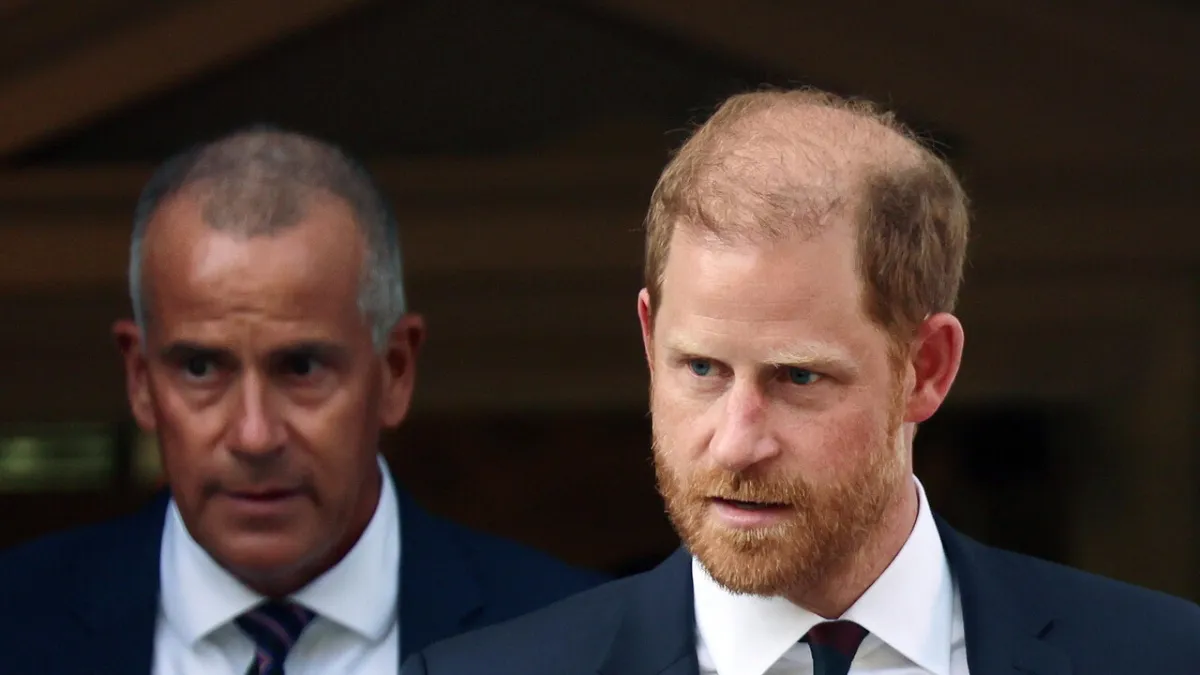
LONDON — Prince Harry, the Duke of Sussex, recently faced a bitter legal defeat against The Mail media group in London, igniting anger and exacerbating tensions during his official visit to the United Kingdom in 2026. This unfavorable court ruling, related to allegations of insabbiamento or an attempt to cover up information, further highlights the strained relationship with the Royal Family, marked by the absence of a meeting between Harry and King Charles III during his visit.
This event marks a significant blow for Prince Harry, who has long been involved in a series of litigations against British media, particularly the publishing group Associated Newspapers Limited (ANL), parent company of the Daily Mail and Mail on Sunday. This latest defeat is not just about finances but more about his reputation and his fight for privacy justice, which he claims is frequently violated by the press.
The Duke of Sussex's visit to the British capital, which was expected to be an occasion for charity events or support for veteran initiatives, is now shrouded in gloom. Instead of receiving a warm welcome or a reconciliation meeting with his father, King Charles III, he has had to swallow the bitter pill of a legal judgment.
The failure to achieve victory in court further solidifies public suspicions of a deep rift between Prince Harry and the monarchy. Since his decision to step down as a senior royal and move to the United States, his interactions with Buckingham Palace have always been under sharp scrutiny, often marked by tension and media speculation.
Details of the legal case indicate that Prince Harry accused The Mail of engaging in illegal information gathering practices and insabbiamento in past reports. Although his arguments were strong regarding the need for media accountability, the court ruled that the evidence presented was insufficient to support his claims, or that the statute of limitations had passed for some allegations.
Prince Harry's reaction to the ruling was one of deep anger. Sources close to him, who requested anonymity, revealed that he felt betrayed and that the legal system had failed to protect individuals from media exploitation. This is not the first time he has voiced his frustration with the British press, which he considers invasive.
Associated Newspapers Limited welcomed the court's decision, reaffirming their commitment to investigative journalism and the public's right to information. They stated that the ruling validated their position and rejected allegations of illegal practices or cover-ups.
This defeat also has the potential to influence public opinion, both in the UK and internationally. Prince Harry has long positioned himself as a victim of the media, but a series of legal setbacks could erode public support and perception of his campaign against the press.
The case reignites a long-standing debate about the boundaries between press freedom and individual privacy rights, especially for public figures such as members of the Royal Family. The scope of permissible reporting and methods of information gathering remain central issues continually debated in legal and journalistic ethics.
Despite facing a significant setback, it is unclear whether Prince Harry will appeal this ruling. However, what is certain is that this incident will continue to overshadow his relationship with the media and, more importantly, with his extended family in the UK.
His presence in London was hoped to alleviate some tensions, but this incident only exacerbated them. The public and royal observers now await how Prince Harry will respond to this situation going forward, and whether there is still a window for personal reconciliation with King Charles III that can be explored.
This incident, coupled with a series of previous legal challenges, adds a layer of complexity to Prince Harry's narrative as a royal striving to forge his identity beyond the shadow of the monarchy. His struggle is now not only against the media but also against public perception that increasingly tests his credibility.