 Dodi Irawan
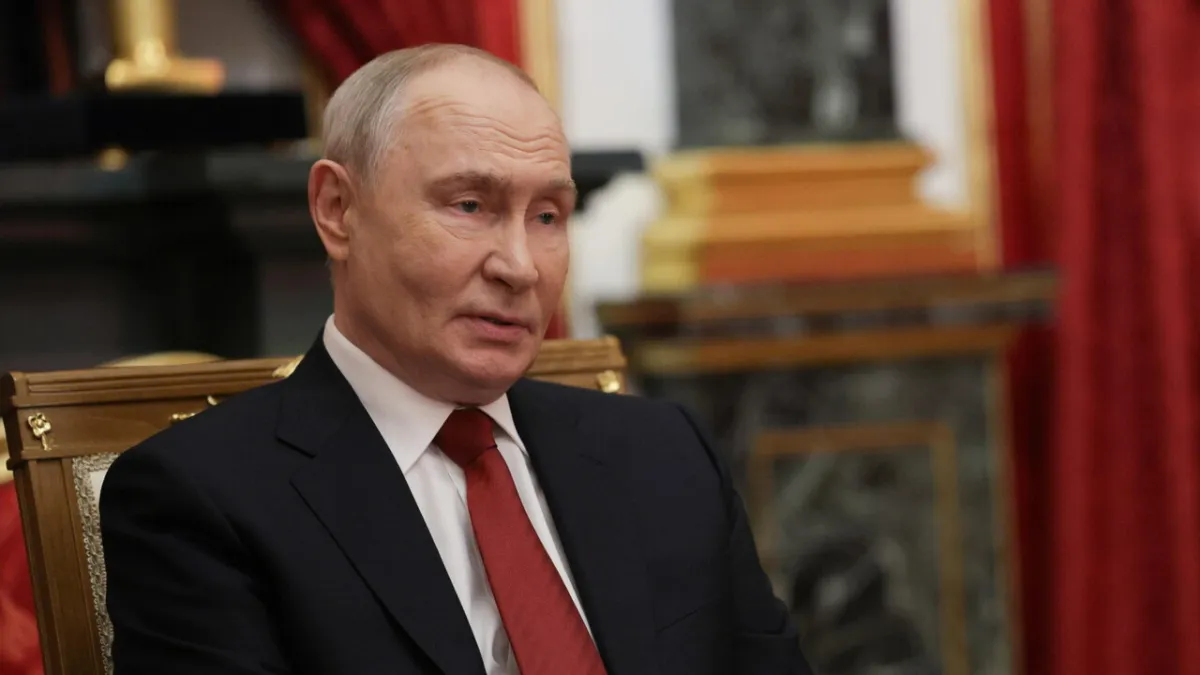
WASHINGTON – Russian President Vladimir Putin explicitly denied any plans of aggression against Europe during a one-hour phone call with United States President Donald Trump. This high-level communication occurred amidst escalating regional tensions and as London announced an allocation of 100 million British pounds to bolster Ukraine's defense. Concurrently, Ukrainian President Volodymyr Zelensky hinted at the possibility of initiating trilateral talks between Ukraine, Russia, and the United States this month, signaling a potential significant diplomatic breakthrough.
The in-depth conversation between the two superpower leaders focused on European security dynamics. The Kremlin, through its official statement, underscored Russia's commitment to maintaining stability and dismissed speculations about military expansion plans into European territory. This assurance was conveyed directly by President Putin to President Trump, who carefully listened to Moscow's perspectives.
On another front, responses from the international community regarding the situation in Eastern Europe continue to emerge. The United Kingdom, a key ally of Kyiv, reaffirmed its support. The government in London announced a substantial financial aid package of 100 million British pounds. These funds are allocated to strengthen Ukraine's defense capabilities, including the modernization of military equipment and enhanced training for their forces, in an effort to preserve the country's sovereignty.
This move by the UK highlights the seriousness of Western partners in addressing geopolitical threats, while also sending a clear signal to Moscow regarding continuous support for Ukraine's territorial integrity. This aid is expected to provide a significant boost for Kyiv, which continues to strive for stability along its eastern border.
Responding to these diplomatic dynamics, President Zelensky of Ukraine expressed optimism about dialogue opportunities. 'We see a real possibility of initiating talks between Ukraine, Russia, and the United States in the near future, perhaps even this month,' said President Zelensky.
The proposal for trilateral negotiations is not new, but it gained fresh momentum following the direct communication between Putin and Trump. This indicates active, albeit closed, diplomatic channels for discussing crucial issues concerning regional and global security. The presence of the United States as a mediator or active participant in this dialogue is deemed essential for achieving a sustainable agreement.
This announcement follows a prolonged period of tension involving troop deployments and military exercises near the Ukrainian border, sparking widespread concern among European nations. The situation in Kyiv, in particular, has frequently been a focal point due to the ongoing series of incidents and uncertainties.
International relations observers note that Putin's statement, while reassuring, still requires a cautious approach. Geopolitical history demonstrates that a nation's intentions can shift with power dynamics and strategic interests. Therefore, strengthening Ukraine's military and parallel diplomatic efforts remain crucial.
On the other hand, President Trump's participation in this high-level dialogue reflects the United States' commitment to actively engage in de-escalating global crises, as he often expressed in previous speeches. This also underscores Washington's central role in the European security architecture.
The potential negotiations between Ukraine, Russia, and the United States become a significant focal point, given the complexity of the issues to be resolved. Issues such as territorial sovereignty, security guarantees, and the status of disputed regions will likely be key discussion agenda items.
Editorial Insight: The communication between the Russian and American leaders, followed by Ukraine's negotiation initiative, marks a new chapter in efforts to defuse one of the most complex geopolitical tensions of this decade. Putin's statement may alleviate fears of large-scale aggression, but London's pledge of aid and Kyiv's readiness for dialogue affirm that the conflict's resolution remains distant and requires robust diplomatic strategies and sustained international support. The credibility of promises and commitments from all parties will be tested in the coming weeks.