 Angela Stefani
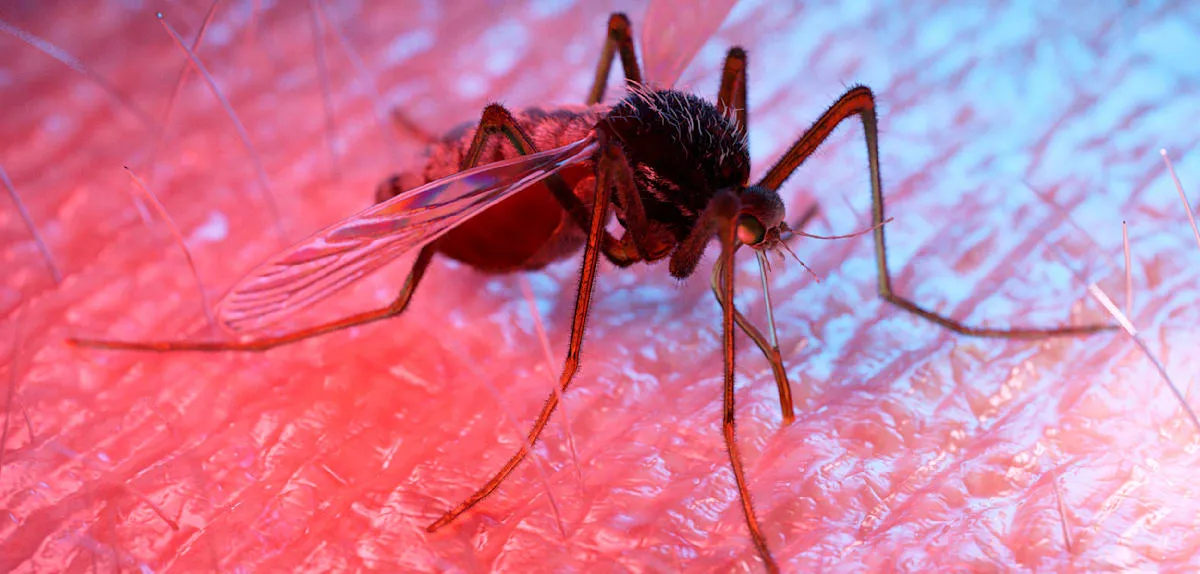
EUROPE – A groundbreaking scientific study in 2026 has successfully identified the crucial factor behind the phenomenon of mosquito bite preference, which tends to favor certain individuals. An international research team, after a series of intensive experiments, announced that it is not 'sweet blood' but unique chemical compounds on human skin that serve as the primary attractant for female mosquitoes.
The research, conducted at a European research facility, involved a number of participants who voluntarily allowed themselves to be 'objects' of mosquito bites. This extreme experimental approach was designed to directly observe the response of Aedes aegypti mosquitoes, a species known as the main vector for dengue fever.
Scientists employed advanced methodologies to analyze the composition of body odor and carbon dioxide emissions from each individual. They compared this data with the frequency of mosquito bites received by the participants. The results revealed clear patterns.
The key factor that emerged as the primary determinant was the individual's body odor profile, specifically the concentration and types of certain carboxylic acids on the skin. These volatile organic compounds, produced by natural bacteria on the skin, proved to be an irresistible magnet for mosquitoes.
We found that individuals producing certain combinations of carboxylic acids in higher amounts were significantly more susceptible to mosquito bites, stated Dr. Elena Petrova, head of the research team, during a virtual press conference held today. This changes our understanding of how mosquitoes select their hosts.
This discovery refutes popular myths regarding certain blood types or the consumption of sweet foods supposedly making someone more attractive to mosquitoes. Dr. Petrova affirmed that this preference is more complex, involving the interaction between genetics, skin microbiome, and the environment.
While all humans emit carbon dioxide, which acts as a long-range signal for mosquitoes, this study indicates that individual body odor serves as a more specific short-range signal. This allows mosquitoes to 'select' their targets with high precision after approaching.
The implications of this finding are far-reaching, especially in the development of strategies for preventing mosquito bites and controlling mosquito-borne diseases. By understanding the chemical compounds that attract mosquitoes, scientists can design more effective mosquito repellents or even traps that mimic specific human body odors.
Previous efforts often focused on targeting carbon dioxide or other general compounds. Now, a new approach can be developed, targeting a more specific spectrum of compounds produced by human skin. This is expected to significantly reduce the impact of mosquito bites.
Governments in various countries, including the Ministry of Health of the Republic of Indonesia under President Prabowo Subianto, are expected to utilize the results of this study to update public health guidelines in combating diseases such as dengue fever (DBD) and malaria.
Editorial Insight: This discovery represents a significant leap in entomological science. Beyond debunking popular myths, it offers a tangible pathway for public health interventions. The focus on individual biochemical profiles could lead to personalized prevention strategies, fundamentally changing how we approach mosquito-borne diseases. However, the ethical implications of manipulating human body odor or creating highly specific attractants for traps would require careful consideration and public discourse.