 Chandra Wijayanto
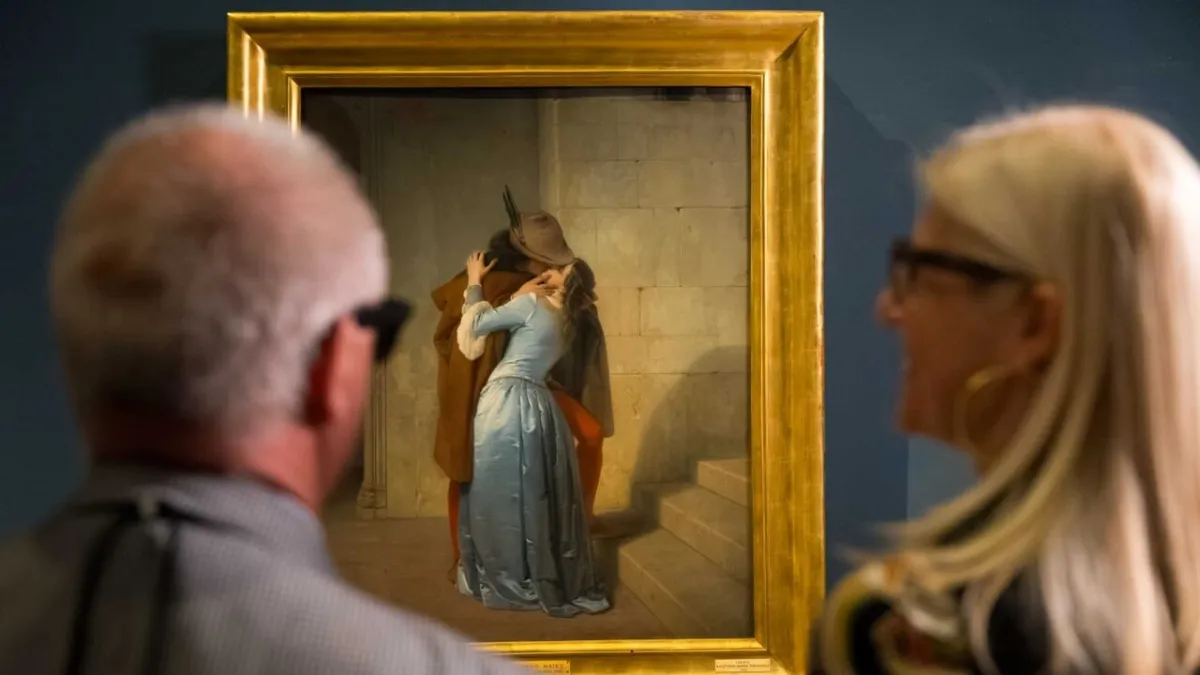
MILAN – Pinacoteca di Brera, one of Italy's leading art museums, has officially unveiled a revolutionary initiative known as 'Sensing Art'. This innovative program aims to transform how visitors interact with artworks, making the museum experience more inclusive and profound through the utilization of artificial intelligence (AI) technology and advanced smart glasses.
The strategic collaboration between Pinacoteca di Brera, tech giant Meta, and global optics leader EssilorLuxottica, marks a significant milestone in the fusion of art and digital innovation. These three entities united to address accessibility challenges within museum environments, particularly for individuals with sensory limitations.
Through 'Sensing Art', visitors can now 'listen' to the visual narratives of the showcased masterpieces. The specially designed smart glasses are equipped with sensors and AI algorithms capable of analyzing visual details on paintings or sculptures. This visual data is then converted into rich and contextual audio descriptions.
This pilot project not only focuses on storytelling but also on emotional interpretation. The AI technology within the glasses can identify key elements in artworks, such as composition, colors, facial expressions, and gestures, then present them in immersive verbal descriptions. This allows audiences to perceive nuances previously only accessible through sight.
The Director of Pinacoteca di Brera, Dr. Elena Rossi, stated that this initiative represents a leap forward in the democratization of art. We believe that art should be accessible to everyone, without limitations. 'Sensing Art' opens a new dimension in art appreciation, enabling visitors to experience the beauty and meaning behind every brushstroke and form, she remarked during a press conference held at the museum.
Meta's role in this project is to provide the AI technology platform and expertise in developing intuitive user interfaces. Meanwhile, EssilorLuxottica is responsible for the design and production of ergonomic and functional smart glasses, ensuring optimal comfort and effectiveness for users.
Such innovation aligns with global trends that view technology as a bridge to inclusion. Various sectors, from education to healthcare, have adopted AI to enhance accessibility, as seen in breakthrough smart applications for childhood asthma that provide better control.
The development of 'Sensing Art' took two years, involving a multidisciplinary team of art historians, AI engineers, product designers, and accessibility experts. Initial trials showed an overwhelmingly positive response from test groups, particularly from the blind and visually impaired communities.
Moving forward, Pinacoteca di Brera hopes to expand the implementation of 'Sensing Art' to more collections and even other museums worldwide. The potential of this technology to revolutionize the global museum experience is immense, paving the way for more personalized and interactive approaches to enjoying cultural heritage.
The Italian government also welcomed this project, viewing it as a model of cultural innovation that can be emulated. The Minister of Culture, Senator Marco Bellini, emphasized the importance of synergy between technology and cultural heritage to maintain the relevance of museums in the 21st century.
Editorial Insight: The 'Sensing Art' initiative at Pinacoteca di Brera is not merely a technological adaptation but a new paradigm in museum curation. Through the lens of AI-powered smart glasses, the boundary between seeing and experiencing art blurs, offering a much more multisensory experience. This demonstrates how AI, rather than being a threat, can actually enrich human experience, especially in the realm of culture and education. Its potential for replication in other museums, including those in Indonesia, is highly promising for broadening access to art for all segments of society.