 Robert Andrison
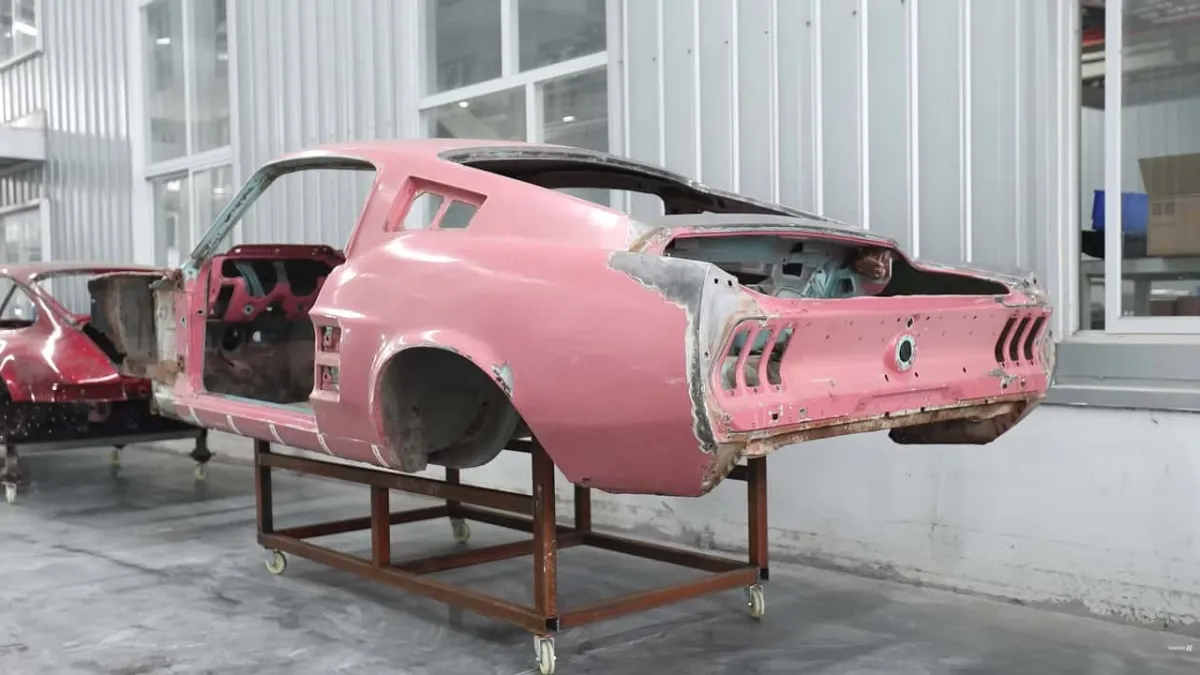
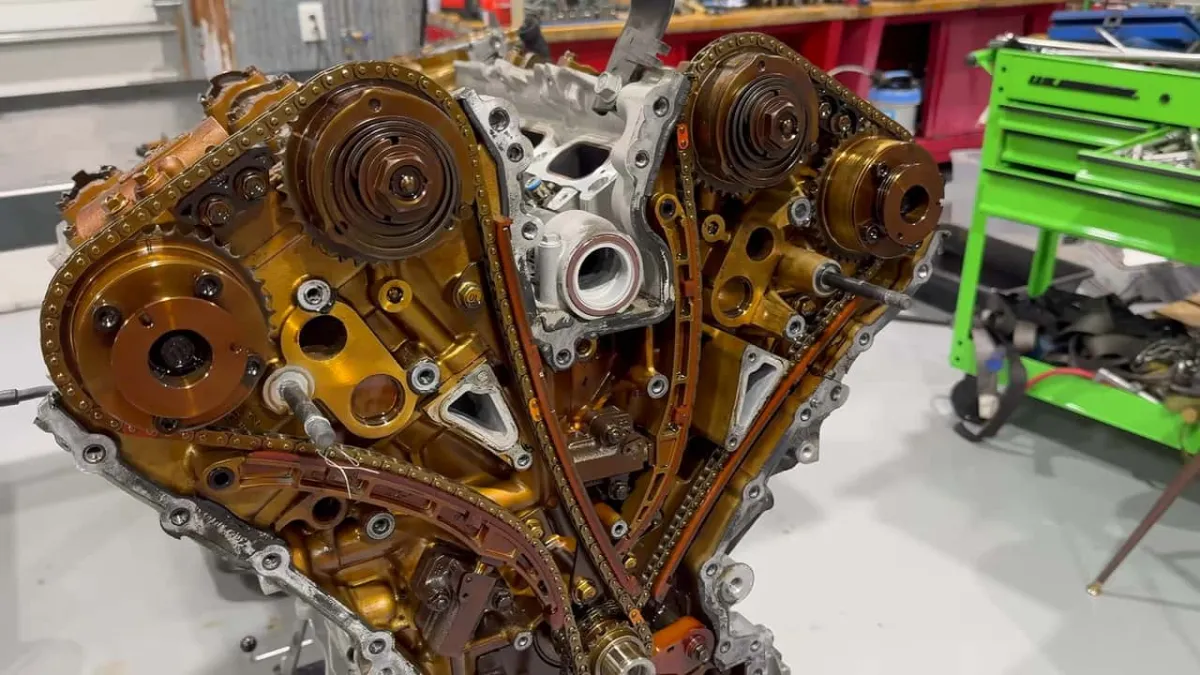
SHANGHAI – The global classic car restoration market is experiencing a significant upheaval with the emergence of a Chinese company successfully reproducing legendary car bodies at far more competitive prices. This innovation allows automotive enthusiasts to revive classic Japanese sports cars, Porsches, and iconic Mustangs through precision-stamped steel panels, promising a new era of vintage parts accessibility in 2026.
Operating from an industrial hub in China, this company leverages advanced stamped steel panel technology to create highly accurate body replicas. They focus on models where original parts are difficult to source, providing a vital solution for restorers and collectors worldwide.
This strategic move is expected to alter the dynamics of the classic car parts market, which has long been characterized by limited supply and high prices. With efficient mass production, restoration costs can be drastically reduced, opening opportunities for more people to own and maintain their dream vehicles.
The most sought-after models for reproduction include Japanese icons such as the Nissan Fairlady Z (Datsun 240Z), early-generation Toyota Supra, as well as European darlings like classic-era Porsche 911s and American legends, the first-generation Ford Mustang. The availability of complete bodies or individual panels will expedite restoration processes often hindered by structural damage.
The production process involves precise 3D scanning of original bodies, followed by the creation of steel dies used to stamp metal sheets. This technique ensures high fidelity to original manufacturer specifications, allowing the reproductions to integrate seamlessly with chassis and other components.
Despite being reproductions, the company claims material quality and craftsmanship standards that are equivalent to or even surpass original bodies from their era. We are not just making replicas; we are creating the future of restoration by preserving the soul of the original design, stated a company spokesperson in a recent limited interview.
The entry of this new player not only offers benefits to consumers but also stimulates healthy competition within the industry. Restoration workshops struggling to find complete bodies or specific panels can now acquire them at more reasonable prices, accelerating projects and improving business efficiency.
Traditionally, classic car body restoration often involves extensive repairs to rusted or severely damaged panels, a process that is time-consuming, expensive, and requires high levels of expertise. Reproducing complete bodies offers a more economical and quality-consistent shortcut.
With large-scale production capabilities, this Chinese company plans to expand its distribution reach to key markets such as North America, Europe, and Australia, where demand for classic cars is particularly high. A global logistics network is being established to ensure efficient delivery.
Beyond economic aspects, this approach can also have a positive environmental impact. Instead of discarding classic vehicles with severely damaged main bodies, reproduction allows for the preservation of valuable cars, reducing the need for new vehicle production and promoting a circular economy to a certain extent.
This development aligns with ongoing innovation in the automotive industry. While the electric vehicle market, such as the Bentley Torcal EV, sets new sales records, the classic vehicle segment also demonstrates its vitality through modern parts solutions. This phenomenon proves that interest in automotive is not limited to the latest models.
Editorial Insight:
This Chinese company's initiative marks a significant turning point for the classic car restoration ecosystem. Its disruptive potential lies in democratizing access to a hobby traditionally known for its high cost and exclusivity. However, challenges related to originality and market acceptance will remain key factors determining its long-term sustainability and impact. The industry must adapt to a new definition of 'original' in the context of high-quality reproduction parts.