 Chris Robert
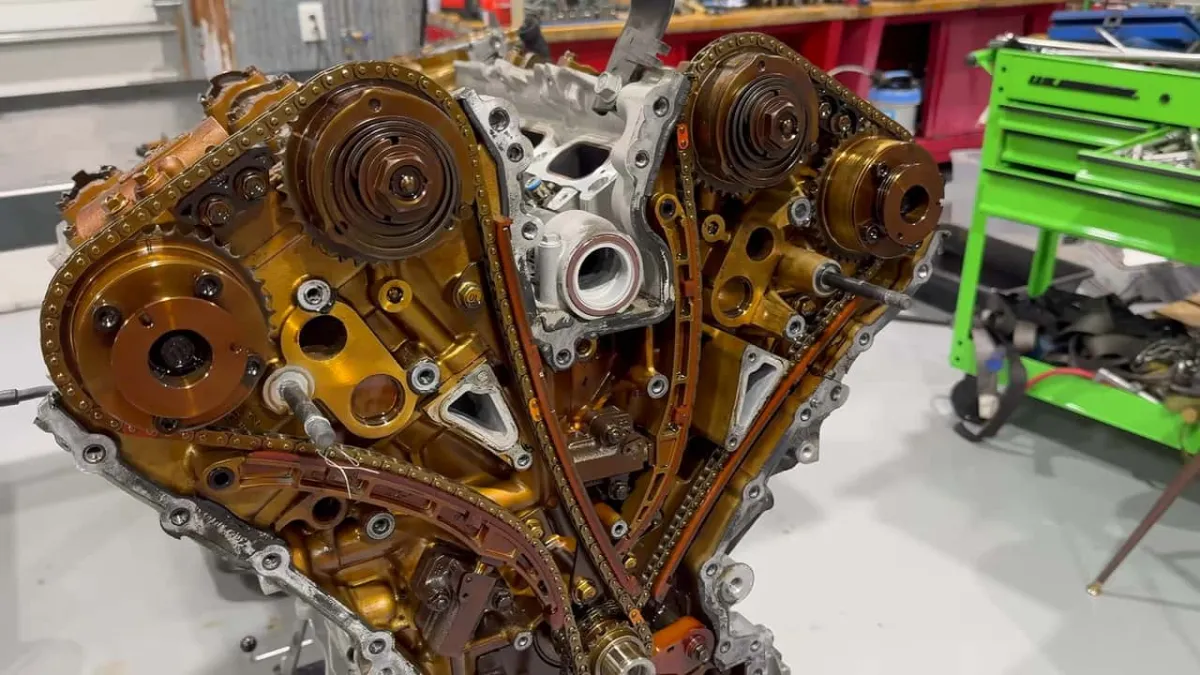
JAKARTA – A serious incident has befallen a 2019 Kia Stinger V6 3.3-liter twin-turbo unit, which experienced catastrophic engine failure after accumulating over 100,000 miles. This damage, involving four spun rod bearings, is strongly suspected to have resulted from extended oil change intervals and consistently low engine oil levels. The case highlights a significant concern for owners of high-performance vehicles and underscores the critical importance of routine maintenance.
Initial investigations indicate that the root of the problem lies in neglected maintenance practices. Irregular oil changes, coupled with potentially insufficient oil volume over a significant period, created extremely detrimental conditions for vital engine components. Consequently, excessive friction occurred, leading to severe wear on the rod bearings.
The 3.3-liter twin-turbo V6 engine in the Kia Stinger is renowned as a powerful unit offering impressive performance. However, like other high-performance engines, its integrity heavily relies on optimal lubrication. The presence of metal fragments within the lubrication system serves as a clear indicator of massive internal damage.
This incident serves as a crucial reminder for car owners, particularly those with high-performance specifications. Manufacturer-recommended maintenance schedules are not merely suggestions but necessities to ensure engine longevity and optimal performance. Neglecting basic aspects such as oil changes and monitoring oil levels can lead to substantial financial consequences.
The cost of repairing an engine with such severe damage is estimated to be exceptionally high, potentially even exceeding the market value of the vehicle itself, considering the model is already seven years old in 2026. Similar cases have been observed across various makes and models, proving that even the best engines are vulnerable if maintenance is overlooked.
Automotive experts emphasize that twin-turbo engines, due to their complexity, demand heightened attention to their lubrication systems. Higher operating pressures and temperatures compared to non-turbo engines necessitate quality oil and strict adherence to replacement schedules. Oil consumption also requires regular monitoring, not just during scheduled services.
This Kia Stinger case adds an important narrative to discussions surrounding modern vehicle durability. The adage of build quality often needs to be complemented by owner quality in terms of maintenance. Automotive companies continue to innovate, as seen in the Ford Maverick 2026's 300-HP upgrade initiative, yet the responsibility for proper upkeep remains with the owner.
It is essential to understand that manufacturer recommendations for service intervals are based on extensive research and normal operating conditions. Aggressive driving styles or extreme environmental conditions may necessitate more frequent service intervals.
The environmental impact of such engine failures cannot be disregarded either. The disposal of damaged engine components, energy consumption for repairs or replacements, all contribute to the carbon footprint. Therefore, preventive maintenance is not just about cost, but also about sustainability.
Individuals relying on cars for daily mobility are strongly advised not to delay routine maintenance. Simple checks like oil levels, tire pressure, and other fluids can prevent major issues from arising later.
Editorial Insight: The Kia Stinger V6 engine incident is more than just a mechanical failure; it is a critical reflection on the importance of vehicle maintenance literacy among consumers. Amidst increasingly fierce competition in the automotive industry, where manufacturers vie to offer performance and advanced technology, educating consumers about ownership responsibilities becomes paramount. This case should prompt manufacturers not only to focus on product innovation but also to enhance consumer education regarding proper maintenance practices. Fundamental failures in upkeep can harm brand reputation and accelerate vehicle replacement cycles, an irony in the pursuit of sustainability.