 Dodi Irawan
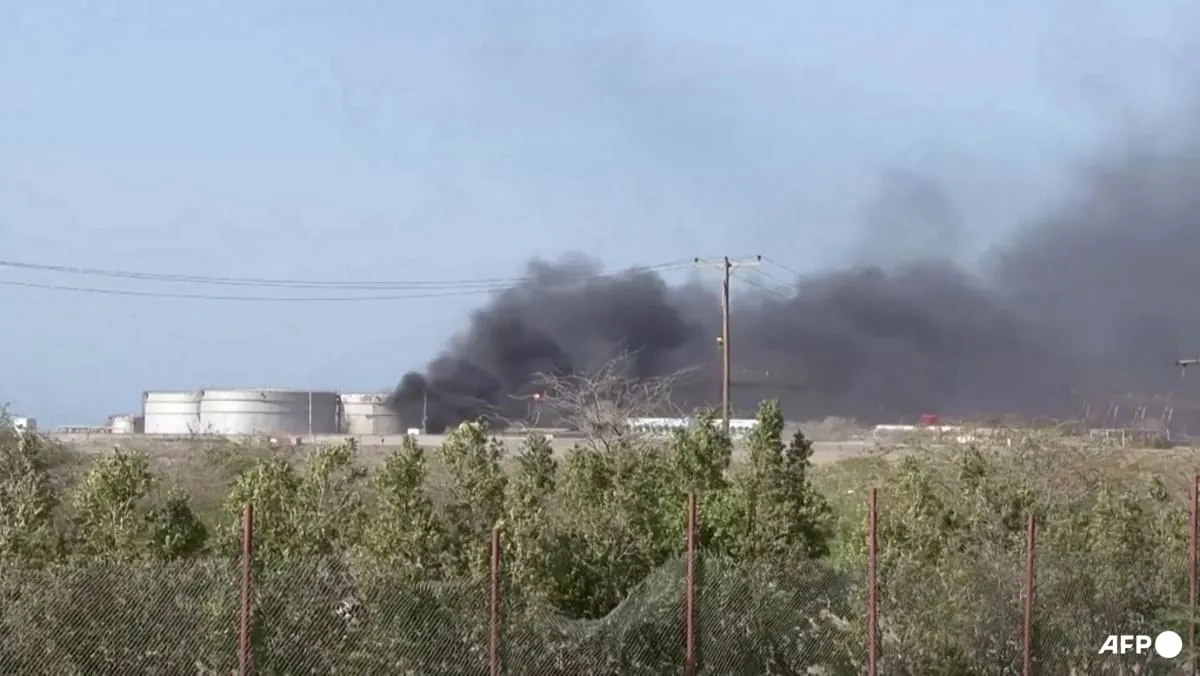
RIYADH – Tensions in the Gulf region have escalated once more after Saudi Arabia announced it successfully intercepted three ballistic missiles launched by Yemen's Houthi group. The incident occurred during the night over the skies of the capital Riyadh, triggering alarms and concerns about further conflict escalation. This crucial interception was confirmed by the Saudi-led coalition in November 2026, following a series of intense cross-border strikes.
The spokesperson for the Saudi-led Arab Coalition, Colonel Turki al-Maliki, confirmed that the missiles were successfully destroyed before reaching civilian targets. 'Our air defense systems successfully neutralized this threat, protecting Riyadh's civilians and vital infrastructure,' stated Colonel al-Maliki in an official statement released in the morning. This attack was a response to an escalation on November 20, 2026, when the coalition launched strikes against the strategic Hodeidah port in the Red Sea, controlled by the Houthis.
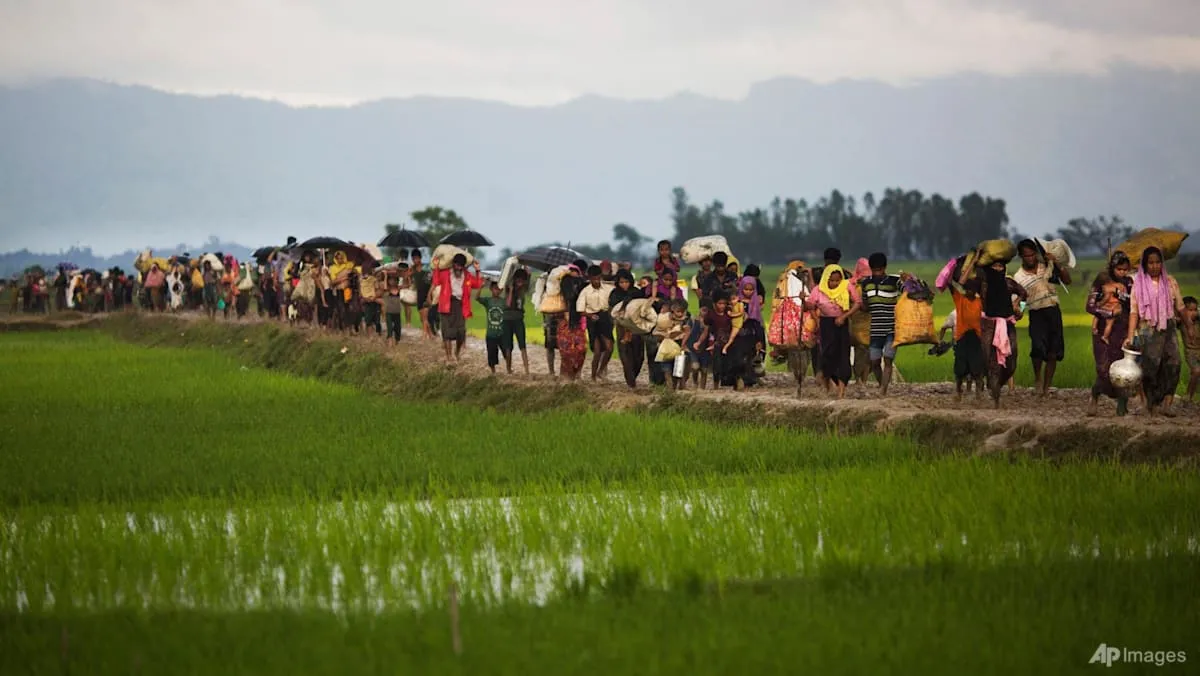
Houthi missile attacks on Riyadh are not unprecedented. The Saudi capital has been repeatedly targeted by the rebel group since the Yemeni conflict erupted in 2014. However, the frequency and targets of the attacks continue to increase, indicating that the Houthi military capabilities should not be underestimated. This conflict has created the world's worst humanitarian crisis, according to the UN.
The war in Yemen originated from a power struggle between the internationally recognized government, backed by the Saudi coalition, and the Houthi group, which receives support from Iran. Saudi Arabia considers any missile attack targeting its territory as a direct act of aggression by Iran through its Houthi proxy. These accusations are consistently denied by Tehran.
The missile interception incident immediately drew international condemnation and calls for restraint. Regional political analysts fear that continuous retaliatory attacks could drag more actors into the conflict, exacerbating instability in the Middle East. Furthermore, with President Donald Trump again leading the United States, Washington's foreign policy towards Iran and its allies remains under sharp scrutiny.
Intelligence data indicates that the Houthis have enhanced their capacity to launch ballistic missiles and long-range drones. This capability is a serious concern for regional security. Military and civilian flights in the airspace of Saudi Arabia and its surroundings often have to take anticipatory measures, reflecting the evolving threat.
The UN Security Council is scheduled to hold an emergency meeting to discuss the latest situation in Yemen. The UN Secretary-General urged all parties to adhere to international humanitarian law and work towards a sustainable political solution. 'This violence must be stopped for humanity's sake,' emphasized a UN representative.
Various mediation efforts and peace talks initiated by the UN and other countries have so far yielded no significant results. Deep mistrust among warring parties and external interventions continue to hinder progress. This situation pushes the prospect of peace further away.
Beyond humanitarian and political impacts, the escalation of conflict in the Middle East also has global economic implications. Vital shipping lanes in the Red Sea and Persian Gulf are threatened, potentially disrupting global oil supplies. Global oil prices tend to fluctuate whenever tensions rise in this region.
Editorial Insight: The interception of three Houthi missiles over Riyadh in 2026 is not merely an ordinary military incident, but a barometer of escalating tensions in the Middle East. This event underscores that despite the Saudi coalition's technological superiority, the Houthis still possess the capability to strike at the heart of Saudi Arabia. The inability to diplomatically de-escalate the Yemeni conflict, coupled with the confrontational dynamics of President Donald Trump's foreign policy towards Iran, could potentially create a larger spiral of escalation. The international community needs to take more decisive action to prevent the region from falling into a wider conflict, the impacts of which could reverberate across the global geopolitical order.