 Angela Stefani
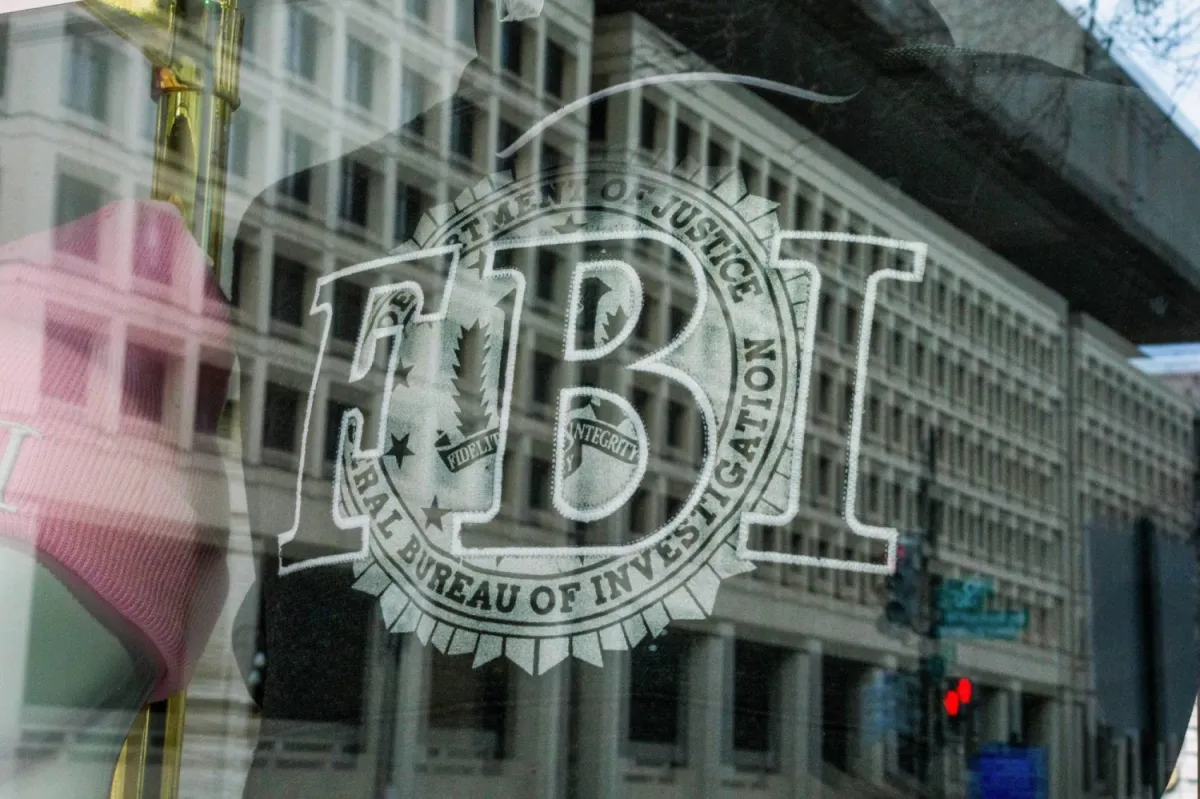
WASHINGTON – Recent reports emerging in 2026 have shaken the global cybersecurity landscape, indicating serious breaches of the information technology systems belonging to two crucial federal pillars of the United States: the Department of Agriculture (USDA) and the Federal Bureau of Investigation (FBI). This incident occurs amidst escalating public and governmental concerns over a relentless wave of technological disruptions targeting various vital American institutions.
This hack is not merely a common technical incident; it triggers serious alarms regarding the fundamental vulnerabilities of national digital infrastructure. Its potential impact extends broadly, from the nation's food security to the integrity of highly sensitive intelligence data, which now hangs in the balance. Relevant authorities have immediately launched an in-depth investigation to identify the perpetrators and assess the scale of the damage.
A USDA spokesperson, who requested anonymity due to the sensitivity of the situation, confirmed suspicious activity within their internal networks. 'We are collaborating with cybersecurity partners to fully evaluate the impact of this incident and implement necessary mitigation measures,' the spokesperson stated. Initial investigations suggest that the exposed data may relate to logistics operations and sensitive information concerning agricultural subsidies.
Meanwhile, internal FBI sources revealed that the breach of their systems was more focused on non-classified data pertaining to administration and case management. However, this does not diminish the concern. An incident within a law enforcement agency of the FBI's stature, regardless of data classification, remains a dangerous indicator of security loopholes that could be exploited in the future.
This dual incident adds to the growing list of cybersecurity challenges faced by the United States in recent years. President Donald Trump, through a statement from the White House, affirmed that his administration would take decisive action against anyone responsible for these attacks. 'Cybersecurity is a top priority. We will not tolerate any attempts to disrupt our nation's stability,' he asserted.
Cybersecurity expert Dr. Ardi Wijaya from Jakarta University of Technology, contacted separately, underscored the urgency of modernizing government cyber defense systems. 'Coordinated attacks like these often indicate state actors with significant resources. This is not merely opportunistic hacking; it is a strategic threat,' explained Dr. Wijaya.
This wave of attacks also reflects a global trend. In recent years, government entities worldwide have become prime targets for sophisticated hacker groups, both state-sponsored and transnational criminal syndicates. Critical infrastructure, ranging from energy to finance sectors, is frequently targeted for espionage, sabotage, or data theft.
Senator Marco Rubio, a member of the Senate Intelligence Committee, called for a stronger government response. 'We must accelerate investment in cyber defense and develop offensive capabilities to deter these malicious actors. Every breach is a reminder that our adversaries continue to innovate,' he said in a television interview.
The consequences of these breaches could be highly complex. For the USDA, operational data leaks have the potential to disrupt food supply chains and cause panic among farmers. For the FBI, even if primary sensitive data is claimed to be secure, any compromise of their systems can erode public trust and hinder law enforcement efforts.
The United States government now faces the arduous task of restoring public confidence and ensuring its systems are immune to similar attacks in the future. This effort involves cross-agency collaboration, engagement with the private sector, and even international cooperation. The challenges are not merely technical but also geopolitical, given the increasingly blurred lines between cyber warfare and conventional conflict.
As part of the response, the White House is reportedly considering increased funding for the Cybersecurity and Infrastructure Security Agency (CISA) and reviewing security protocols across all federal departments. These steps are deemed crucial to prevent further incidents and mitigate the evolving risks within the 2026 digital landscape.
This case also highlights the need for more numerous and better-trained cyber experts. The United States, like many other developed nations, faces a shortage of competent cybersecurity professionals, which could exacerbate system vulnerabilities in the future.
Editorial Insight: The dual hacking incidents targeting the USDA and FBI serve as a brutal reminder of the fragility of cybersecurity in the modern era. This is not merely about data theft; it is about the potential disruption of vital state functions. A comprehensive response, not just reactive but also proactive in strengthening cyber defense and intelligence, will determine the United States' ability to maintain its digital sovereignty amidst evolving global threats. Without an adaptive cyber strategy, similar incidents will continue to loom, eroding trust and stability.