 Gabriella
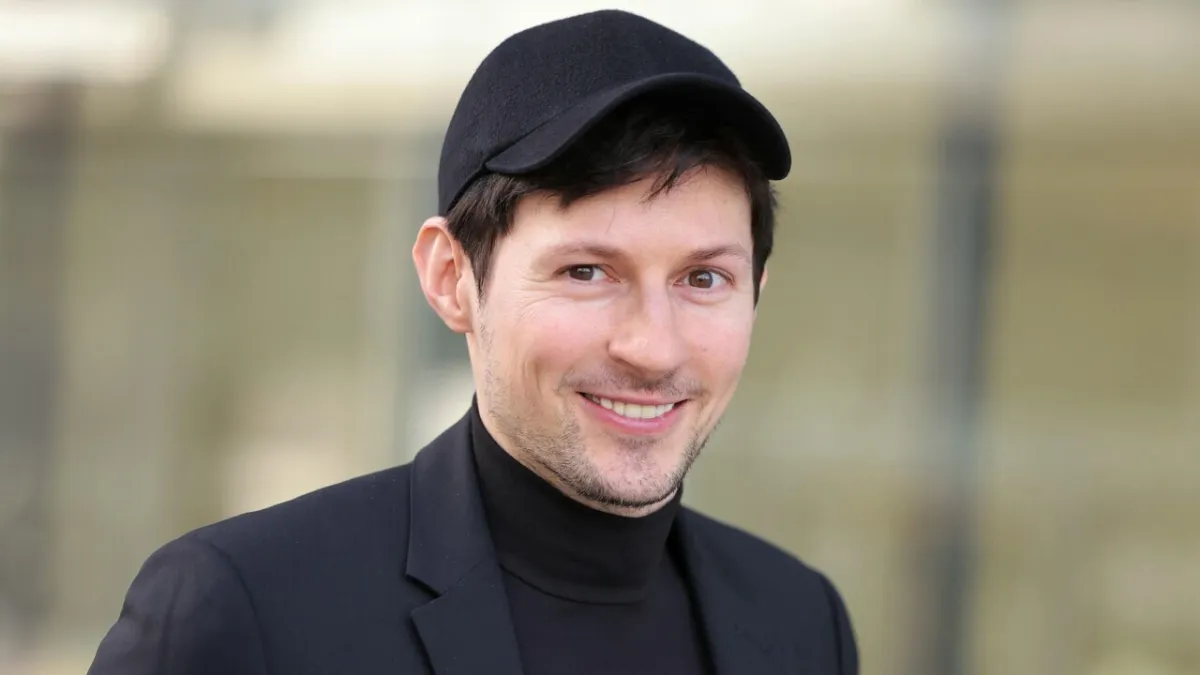
Moscow — Russian authorities officially issued an arrest warrant for Pavel Durov, the founder and CEO of the Telegram communication platform, in early 2026. This surprising decision was announced by Russian security services, accusing Durov of “complicity in terrorism.” The announcement immediately sent shockwaves through the international technology and geopolitical landscape, given Durov's current residence in France.
The “complicity in terrorism” accusation leveled by the Kremlin against this prominent tech figure refers to allegations that Telegram is widely used by extremist groups for planning and communication. For years, Russian authorities have sought to pressure Telegram into surrendering encryption keys or access to user data, claims Durov has consistently rejected in adherence to the principles of privacy and freedom of expression.
Pavel Durov, a visionary entrepreneur who also founded the social network VKontakte, is known as a strong advocate for digital privacy. He left Russia in 2014 after refusing government pressure to hand over VKontakte user data. Since then, he has built Telegram into one of the world's most popular messaging applications, with end-to-end encryption as its core feature, making it a haven for those seeking secure communication, including dissidents and activists, but also exploited by irresponsible parties.
This move by Russia has the potential to spark diplomatic tensions, particularly with France, where Durov currently resides. International law regarding extradition will be a key focus, considering France has jurisdiction over its citizens and individuals living within its territory. Geopolitical analysts predict that any extradition request would face significant obstacles, given differing views on the definition of terrorism and privacy standards.
From its inception, Telegram has positioned itself as a bastion of privacy. Durov has repeatedly affirmed that his company will never compromise the security and privacy of its users for the demands of any government. This philosophy, while praised by many as protecting civil liberties, often becomes a point of contention with states concerned that the platform could serve as a secretive communication channel for criminals and terrorists.
This is not the first time Telegram has clashed with the Russian government. In previous years, the application was blocked in Russia for refusing to provide encryption keys to the Federal Security Service (FSB). However, that block proved ineffective and was eventually lifted, demonstrating the platform's strength and resilience. The current incident marks a far more serious escalation.
In 2026, the global cybersecurity landscape is increasingly complex, with superpowers tightening control over information and communication. The ongoing conflict in Eastern Europe also places Russia in an increasingly aggressive posture against internal and external threats. This Durov case symbolizes the struggle between state sovereignty in combating threats and individual rights to digital privacy, as also seen in the dynamics related to the war in Ukraine. For more information on this geopolitical context, you can read our article on Zelensky Shakes Washington: War Claims Out of Control, Russia Hunts Telegram Boss. Governments worldwide are grappling with how to balance these two crucial interests.
Dr. Élodie Dubois, a cybersecurity expert from Sorbonne University, stated, "The accusations against Pavel Durov are not just about terrorism; they are about states attempting to assert absolute control over the flow of information. This is an ideological battle with major implications for the future of the internet."
Observers predict various scenarios following the issuance of this arrest warrant. One is Russia's attempt to pressure its allies to pursue Durov. However, it is most likely that this case will lead to a long and complicated legal battle in international courts or even become a heated diplomatic issue in UN forums.
For millions of Telegram users worldwide, this news raises questions about the platform's stability and security. Although Durov has guaranteed that Telegram's operations will not be affected, the legal uncertainty surrounding its founder could create concerns among users and investors. However, many also see this as a test of Telegram's commitment to privacy.
This incident further reinforces the view that the modern digital era is a new battleground for geopolitical issues, where technology and privacy often become pawns in the power play between nations. The world awaits how the legal saga of Pavel Durov will conclude, and what its impact will be on internet freedom.