 Chris Robert
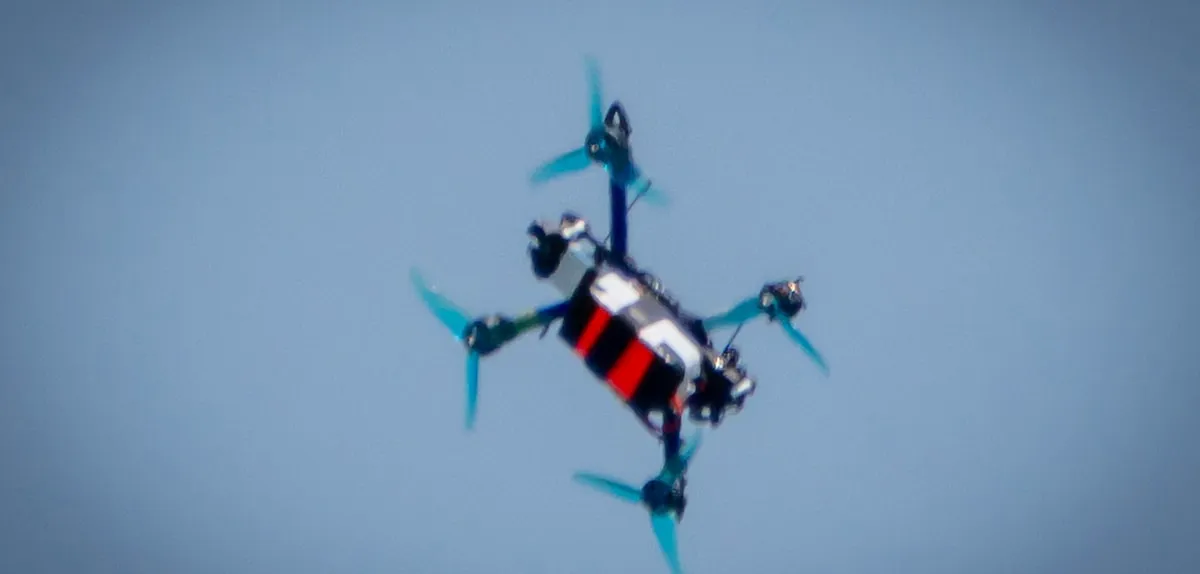
MOSCOW – Diplomatic tensions between Russia and the United Kingdom have intensified after Moscow openly accused London of deliberately escalating the conflict in Ukraine. The accusation follows media reports that the Ukrainian Army used British-made unmanned aerial vehicles (drones) in its attacks on Russian territory, prompting a strong response from the Russian Embassy in the British capital.
The Russian Embassy in London stated that this incident makes the UK a complicit and co-perpetrator in the attacks. This statement marks a significant escalation in rhetoric, indicating potential serious impacts on already strained bilateral relations.
The situation originated from a newspaper publication detailing the use of advanced British-supplied drones by Kyiv's forces. The report indicated that these drones were not only used for reconnaissance but also in offensive operations targeting objectives within Russian borders.
Moscow's narrative emphasizes that this British action is not merely ordinary military aid, but a deliberate strategy to prolong and exacerbate the conflict. This stance is regarded as a serious violation of non-intervention principles and state sovereignty.
Since the beginning of the invasion, the UK has been one of Ukraine's primary supporters, providing extensive military, financial, and training assistance. However, the use of British-supplied military assets to strike Russian territory marks a turning point that threatens to alter the dynamics of London's involvement in the conflict.
The Russian Embassy asserted that any actions supporting aggression against the Russian Federation will face appropriate consequences. This statement, while not detailing the form of consequences, is clearly a strong warning to the UK and its allies.
This incident also reignites debate about the limits of military aid provision. While Western countries generally support Ukraine's right to self-defense, the use of their weapons outside Ukrainian defensive territory often becomes a sensitive issue with the potential to trigger escalation.
These claims also echo previous concerns expressed by Russia regarding the development and expansion of Ukrainian drone bases. Russia itself continues to expand its drone bases, indicating that unmanned aerial warfare will be a crucial component in the conflict's dynamics.
Previously, Moscow had also expressed anger over intercepted Ukrainian drone attacks, including those targeting vital ports, demonstrating a consistent pattern of attacks and adaptation of war tactics.
These actions and statements from the Russian Embassy are expected to be key agenda items in upcoming diplomatic meetings. Political analysts predict further diplomatic responses from the Kremlin, including the possibility of ambassador recall or retaliatory sanctions.
The British government has not yet provided an official direct response to these specific allegations. However, London has consistently affirmed its support for Ukraine's right to defend itself against Russian aggression, without commenting in detail on the types and locations of weapons supplied.
International observers suggest that Russia's accusations aim to pressure Western countries into limiting the type of military aid provided to Ukraine. However, on the other hand, this could reinforce the resolve of Ukraine's allies to continue supporting Kyiv amidst Moscow's pressure.
Editorial Insight:
The incident of British drones allegedly used on Russian territory marks a dangerous shift in the conflict's narrative. By labeling the UK as a complicit party, Russia effectively attempts to internationalize responsibility for the escalation, while simultaneously testing NATO's limits. London's response will be crucial in determining whether this incident remains a diplomatic bluff or truly triggers a series of retaliatory actions that could worsen geopolitical stability in Europe in 2026. This situation demands maximum prudence from all parties, given the potential for much broader impacts from the use of advanced military technology in conflict zones.