 Angel Doris
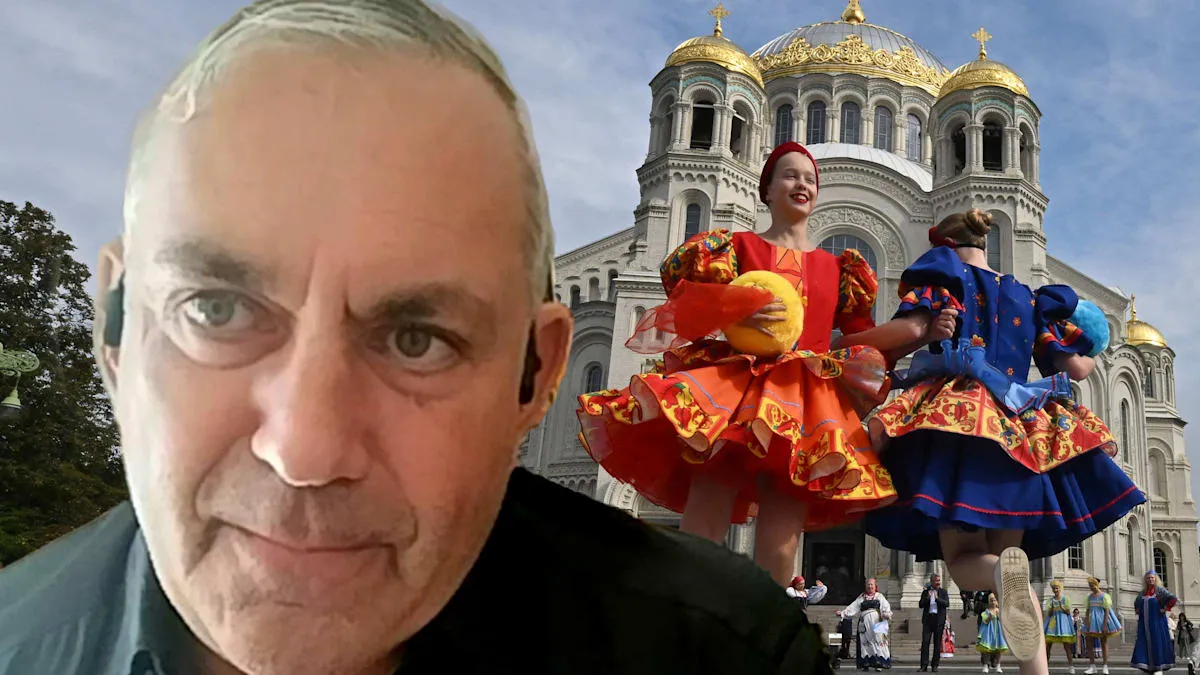
MOSCOW – The reality of life in Russia in 2026 presents a striking paradox, where celebration and mourning proceed hand in hand, seemingly inseparable. This situation is sharply depicted by prominent writer Wladimir Kaminer, who describes it as 'a wedding and a funeral combined in one moment'. Amidst the escalating impact of the conflict on public life, some citizens are still seen attending concerts and festivals, creating a contradictory image of the nation's psychosocial condition.
Kaminer's statement highlights a profound discrepancy between the reality of war and society's efforts to maintain a semblance of normalcy. While international reports continue to uncover significant economic and social consequences of the conflict, life in some major Russian cities, particularly Moscow and St. Petersburg, appears to pulsate with entertainment activities.
The ongoing geopolitical conflict has exerted immense pressure on the economy and social infrastructure. Many families experience direct impacts, whether through the loss of loved ones, economic hardship due to sanctions, or future uncertainties. Nevertheless, the phenomenon of entertainment venues remaining crowded with attendees indicates a mechanism of adaptation, or perhaps collective denial, of the critical situation.
Kaminer, with his experience observing Russian societal dynamics, offers a unique perspective on how a nation confronts extreme pressure. His description is not merely a report but a philosophical reflection on human resilience amidst a storm, even if it means dancing on the precipice of widespread suffering.
This phenomenon raises critical questions about collective mental resilience. Is this a form of passive resistance, an attempt to maintain spirit amidst hardship, or a manifestation of disparate information and realities across different societal strata? Sociological analysis might point to a complex interplay of all three factors.
Some observers argue that ongoing entertainment activities can serve as a psychological safety valve. When daily reality is shadowed by tension, music concerts or cultural festivals can offer a temporary escape, alleviate stress, and provide a much-needed illusion of normalcy.
However, behind the bustling stages and cheering crowds, lies deep sorrow felt by many individuals and families. This contrast is the essence of what Kaminer describes: a nation simultaneously grieving losses and celebrating the fragments of life that can still be grasped.
This condition also reflects a major challenge for the government in managing public perception and providing adequate psychosocial support. Official narratives often seek to project strength and unity, but the reality on the ground reveals complex vulnerabilities beneath the surface.
It is important to remember that conflict has multiple layers of impact. Beyond casualties and physical damage, there is a gradual erosion of social cohesion and public mental health. A previous article, Russia Blocks Ukrainian Grain Route: Global Food Crisis Looms Again, also highlighted how the conflict's impact extends to other sectors, including global food security, which ultimately affects internal stability.
Looking ahead, the phenomenon revealed by Kaminer will continue to be a topic of discussion. How Russian society will balance the demands of living amidst conflict with the need for cultural expression and joy will be a significant indicator for the country's future. Can this delicate balance be maintained in the long term, or will tensions escalate?
Editorial Insight: Wladimir Kaminer's observations provide a comprehensive picture of the complexities of social psychology amidst conflict. The paradox of celebration and mourning in Russia reflects unique societal adaptation strategies, while also revealing layers of reality often hidden from Western media scrutiny. This is not merely about resistance or denial, but about the multifaceted dynamics of human resilience and fragility when faced with extreme situations. Moving forward, external and internal pressures will test the extent to which this fragile balance can be sustained.