 Angela Stefani
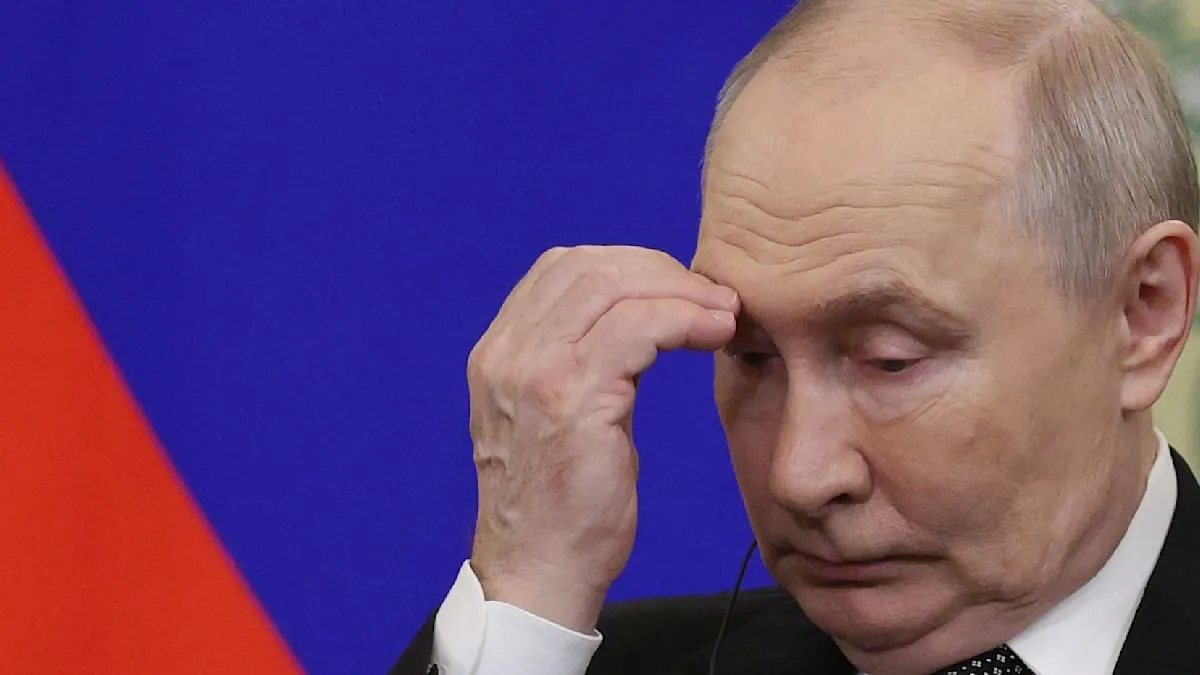
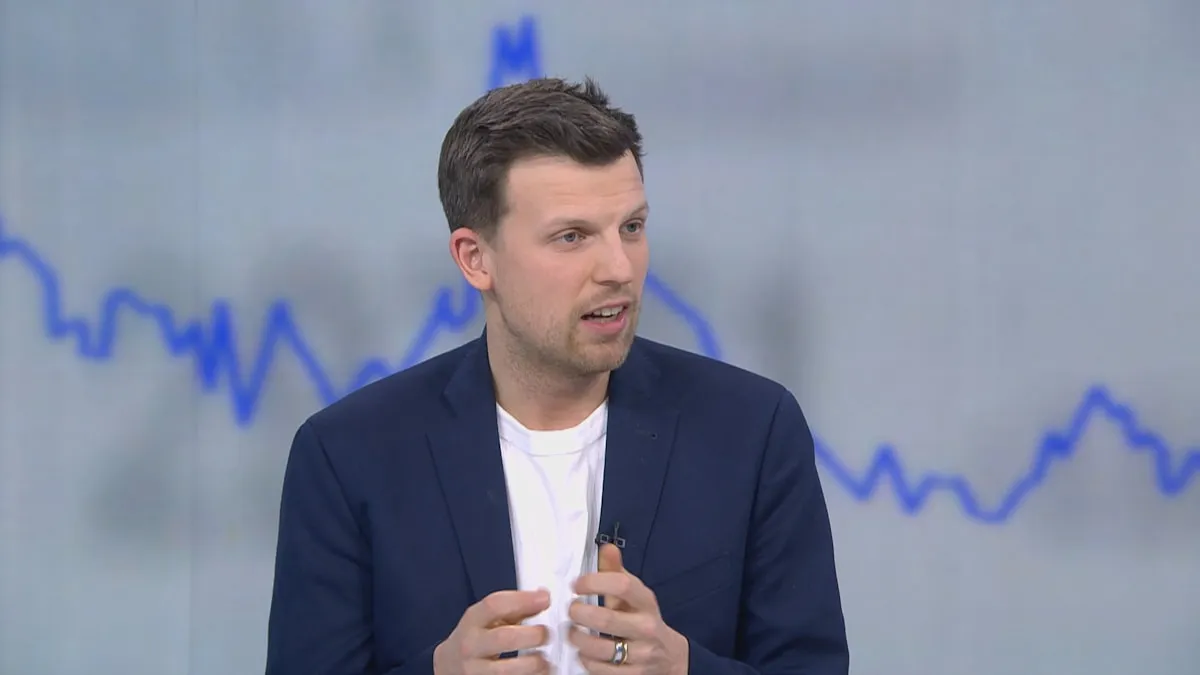
BERLIN – Russia's armed forces are currently facing a critical challenge: the rate of military personnel losses significantly outstrips their ability to recruit new soldiers. This crucial situation was highlighted by leading political scientist Sarah Pagung, who underscored the immense pressure now weighing on the Kremlin and the prospects for future negotiations.
Pagung, an expert in Eastern European studies, explicitly stated in her analysis that Russia cannot sustain these conditions for the long term. The imbalance between casualties and new recruits creates a profound strategic dilemma for Moscow, potentially altering the dynamics of ongoing conflicts on various fronts.
Russia's demographic factors and internal resistance to full mobilization also exacerbate this crisis. Limited human resources, coupled with the reluctance of a significant portion of the populace to engage in conflict, hinder the Russian government's efforts to bolster its military ranks.
The implications of this phenomenon extend beyond the battlefield. The inability to effectively replenish personnel can erode troop morale, reduce operational effectiveness, and prolong the conflict's duration without conclusive results.
The Russian government is now confronted with difficult choices: intensify more aggressive recruitment efforts, risking social unrest, or reconsider their war objectives and strategy amidst human resource limitations.
In the context of potential peace negotiations, Moscow's position could weaken significantly. A nation whose forces are continually depleted without adequate replacements will possess considerably less bargaining power at the negotiating table, pushing them into a defensive stance.
Sarah Pagung explained that this accumulation of disproportionate losses fundamentally alters geopolitical calculations. Russia, once perceived to have inexhaustible military reserves, is now confronting the harsh reality of its capacity limitations.
Internal and external pressure on President Vladimir Putin is projected to intensify. Military performance hampered by personnel shortages could trigger questions from both the political elite and the general public regarding the conflict's sustainability and cost.
Recent events, such as The Burning Oil Refinery Attack that Prompted Putin's Vow of Retaliation, demonstrate an intensification of the conflict that demands continuous military resources, precisely at a time when Russia's recruitment capacity is under critical scrutiny.
If this trend of losses and recruitment difficulties continues into 2026 and beyond, the impact will not only be on combat capability but also on Russia's image as a global military power. The credibility and power projection of the country could substantially erode on the international stage.
Editorial Insight: This recruitment crisis, unveiled by Pagung, is a crucial indicator that the conflict is entering a new, more challenging phase for Russia. The pressure on Moscow to achieve diplomatic outcomes or swiftly conclude the conflict will intensify. How the Kremlin responds to this dilemma will shape global geopolitics in the coming years.