 Angel Doris
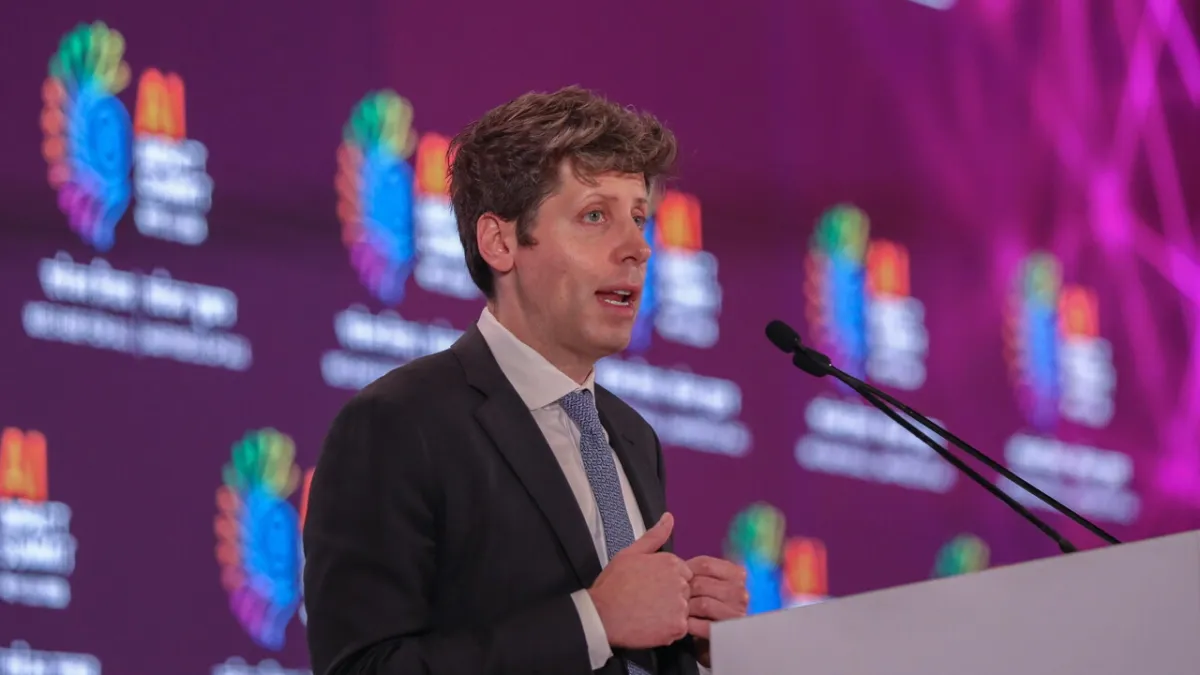
Jakarta – A shocking hoax regarding the death of OpenAI CEO, Sam Altman, briefly dominated Google search results on Friday morning, stirring commotion among internet users and the global technology community. The incident, stemming from an act of vandalism on the online encyclopedia platform Wikipedia, was quickly identified as false information by relevant authorities.
The false report emerged after Sam Altmans Wikipedia entry was irresponsibly edited by an unknown party. Google, as the dominant search engine, then indexed these changes and displayed snippets about Altmans death in its information previews, also known as featured snippets, on search results pages.
Internet users searching for information about Sam Altman were surprised to find this claim. Swift reactions from various parties, including social media users and journalists, quickly highlighted the inaccuracy of this news, compelling Google and Wikipedia to take action.
Google officials, in an official statement, acknowledged that they had discovered public information sources had been vandalized. This statement implicitly pointed to Wikipedia as the initial source of the hoaxs spread, despite Wikipedias generally strict moderation system.
This incident is more than just a technical error; it underscores the vulnerability of open information platforms like Wikipedia to manipulation. Although Wikipedia relies on a community of volunteer editors to verify and correct entries, sporadic vandalism remains an ongoing challenge.
The dissemination of such false information has the potential to cause serious impacts, ranging from public confusion to reputational damage for the individuals or entities targeted. The Sam Altman case reminds us of the urgency of cross-verifying information, especially in the era of rapid digital information flow.
Sam Altman himself, through indirect posts or representatives from his close circle, implicitly confirmed his presence and well-being. Nevertheless, this incident serves as a strong warning to all parties.
The phenomenon of information vandalism and the misuse of open platforms is not new. Previously, several public figures and institutions have also been victims of similar incidents. This highlights the need for further innovation in content security and moderation systems.
For the public, this event serves as a crucial reminder of digital literacy. The ability to distinguish between fact and fiction, and to be critical of every piece of information received, is key to curbing the flow of disinformation.
Giant technology platforms like Google and Wikipedia bear significant responsibility to continuously enhance their defense mechanisms against such attacks, while also ensuring that the information presented to the public is accurate and verified. Transparency in handling vandalism incidents is also crucial to maintaining public trust.
Editorial Insight: The Sam Altman death hoax case sets a new benchmark for information verification challenges in 2026. While AI technology advances, human manipulation vulnerabilities in fundamental data sources like Wikipedia remain an exploitable weak point. This incident reinforces the importance of collaboration between platform providers, their user communities, and the media to combat the continuously evolving wave of disinformation. Without collective effort, the integrity of public information will further erode.