 Dodi Irawan
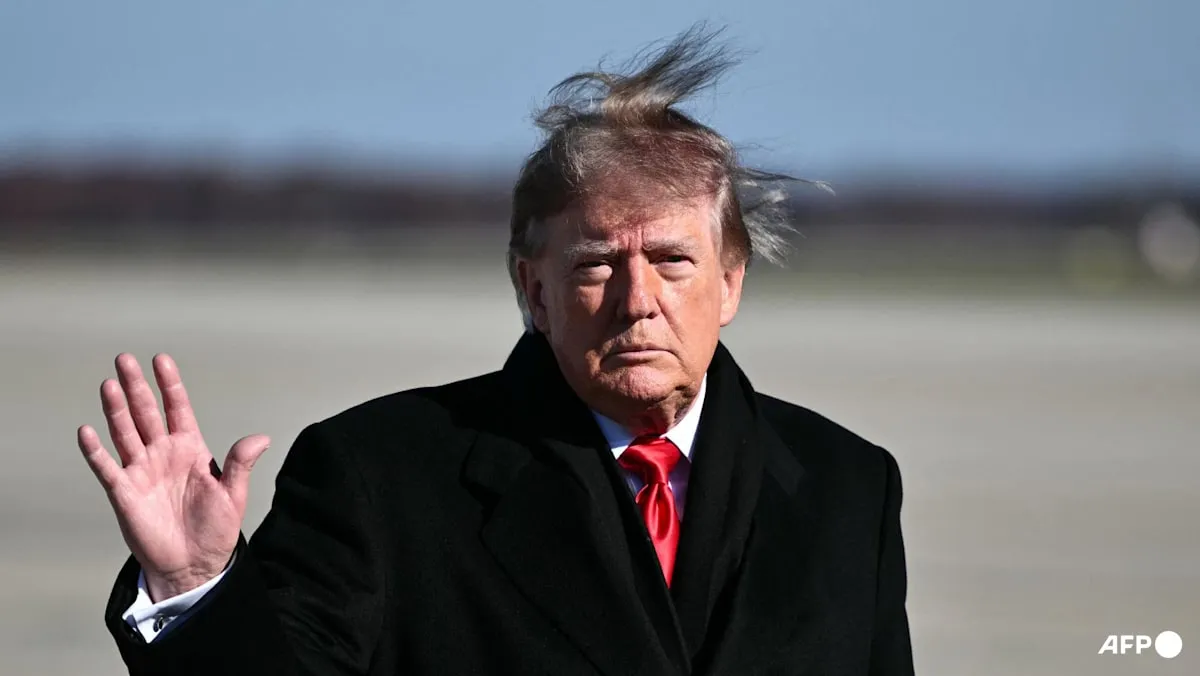
MANILA – United States President Donald Trump commenced his diplomatic journey to Asia in 2026, with the first stop in Manila, Philippines, to attend a crucial Quad group meeting. The arrival of the US leader was immediately met with fierce demonstrations that had been ongoing for days, reflecting public dissatisfaction with various Washington policies, including calls to end the conflict in the Middle East.
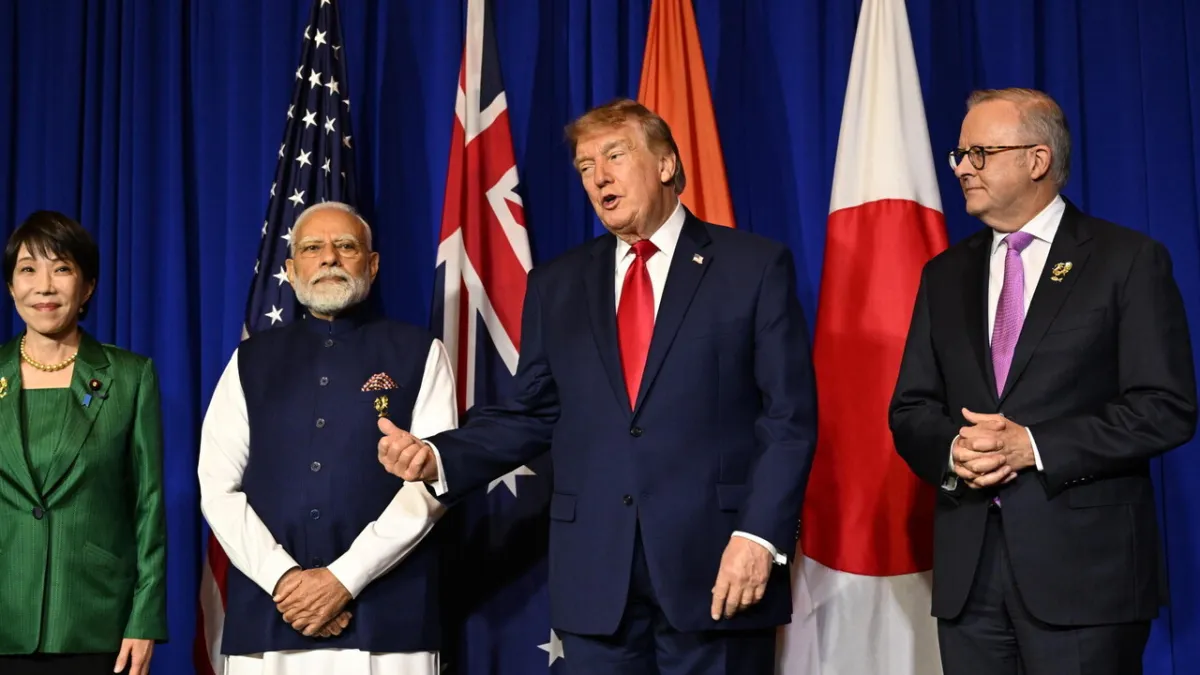
This visit marks a pivotal chapter in the United States' efforts to strengthen regional alliances amid evolving geopolitical dynamics. The Quad meeting, involving the United States, Japan, Australia, and India, aims to bolster security and economic cooperation in the Indo-Pacific region, a move often interpreted as an attempt to counterbalance China's influence.
In the streets of Manila, thousands of protesters took to the streets, voicing strong opposition to President Trump's presence. They burned effigies and carried banners calling for global peace and criticizing the United States' role in the protracted Middle East conflict. Security forces were on high alert to secure the presidential agenda amidst the potential for escalating demonstrations.
President Trump's agenda in Manila was not solely focused on Quad discussions. He was also scheduled to hold a series of bilateral meetings with regional leaders, strengthening diplomatic and economic ties. However, the shadow of protests continued to loom, serving as a reminder of the complexity of Washington's relationship with countries in the region.
After Manila, Donald Trump will continue his journey to China, a visit anticipated to be a global focal point. The relationship between the United States and China is one of the main axes of global foreign policy, with issues of trade, cybersecurity, and territorial claims in the South China Sea being key discussion points, similar to the dynamics illustrated in the APEC 2026 Summit report.
Diplomatic analysis suggests that this Quad meeting in Manila is an initial strategy before confronting China. By demonstrating unity and alliance strength in the Indo-Pacific, Washington hopes to gain a stronger bargaining position in negotiations with Beijing.
The tensions in the Middle East, which triggered some of the demonstrations in Manila, also represent a burden for the Trump administration. These protests indicate that US foreign policy has a broad resonance, even reaching allied nations in Asia.
The presence of Donald Trump at regional summits, as previously hinted at the APEC 2026 Summit, always garners global attention. This time, however, the focus is not only on strategic issues but also on the prominent civil resistance.
The Philippine government itself faces a dilemma. On one hand, they need to maintain good relations with strong allies like the United States; on the other hand, they must respond to the aspirations and anger of their people spilling into the streets. This is a test for diplomacy and crisis management on the global stage.
Geopolitical observers view this Asia trip as an opportunity for President Trump to reassert the United States' position as a dominant power in the region. However, the success of this mission will largely depend on his ability to navigate the complexities of regional relations and quell prevailing anti-American sentiment.
Editorial Insight: President Trump's Asia visit, commencing with unrest in Manila, is a tangible reflection of the challenging geopolitical landscape of 2026. On one hand, Washington seeks to strengthen its alliances; on the other, public sentiment fueled by global conflicts and specific policies can pose serious obstacles. Diplomatic success amidst these demonstrations will be a significant indicator of US influence on the global stage.