 Edward DP Situmorang
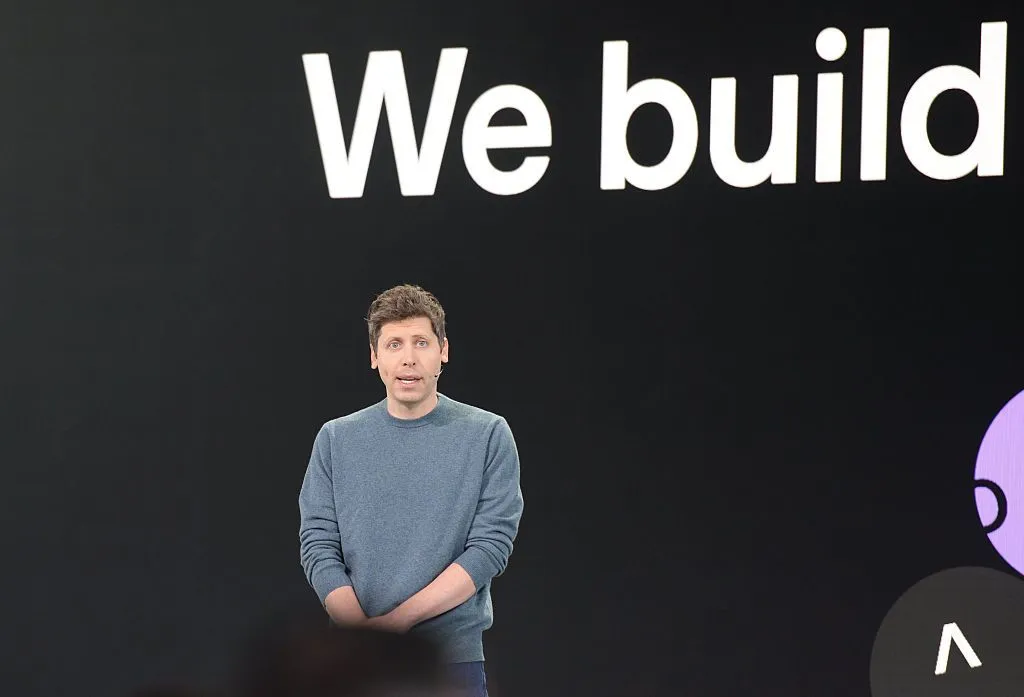
SAN FRANCISCO – OpenAI CEO Sam Altman has issued a statement surprising many amidst the rapid acceleration of artificial intelligence (AI) development. He asserted that the future of the AI industry would remain fine even without the visionary leadership of Jensen Huang, the captain of chip giant Nvidia, who has long been considered irreplaceable. This statement immediately sparked intense discussion about the dynamics of leadership and innovation in this century's most revolutionary technological sector.
Jensen Huang has long been recognized as a primary architect behind the global AI boom. Nvidias graphics processing units (GPUs) form the backbone for most advanced AI models, from machine learning to high-performance computing. Huang's presence at the helm of Nvidia is often equated with the pulse of innovation and the strategic direction of the entire AI ecosystem.
Altman, who leads one of the world's most innovative AI companies, does not deny Huang's significant contributions. Jensen has played a very special role in the AI boom, Altman stated in a widely noted interview. However, he then added that the industry would ultimately find its way.
This statement indicates a shift in perspective or at least high confidence from a key industry player. It is not merely about an individual but the industry's fundamental ability to adapt and evolve beyond charismatic figures.
The global technology market is often sensitive to central figures. Speculation about succession or the potential departure of iconic leaders frequently triggers volatility. Given Nvidia's dominance and Huang's vital role, Altman's remarks could be interpreted as an effort to calm long-term concerns in 2026.
If the AI industry truly can stand firm without absolute singular leadership, it could signify a decentralization of innovation and the emergence of more key players. It also demonstrates the maturity of AI technology itself, which may no longer be overly reliant on a single hardware vendor or a sole visionary figure.
Other companies, including tech giants like Intel and AMD, continue to strive to catch up in the AI chip market. Altman's statement could be a signal that the AI ecosystem possesses deeper and broader reserves of innovation than currently perceived.
As a developer of large language models and cutting-edge generative technology, OpenAI itself is an entity highly dependent on advanced computing infrastructure. Altman's conviction reflects OpenAI's internal view of the ecosystem's resilience and its potential for adaptation.
Altman's statement also emerges amidst a broader debate about the future of AI and the role of its leaders, as highlighted in the article Trump Encourages Jensen Huang to Lead Nvidia Again, Not a Bad Idea? which discusses Huang's potential future role.
Fluctuations in the market related to this technology are also a concern, as seen in AI Turmoil Shakes Markets: Bitcoin and US Exchanges Plummet Sharply, demonstrating the crucial nature of any statement from important figures like Altman.
Editorial Insight: Sam Altman's statement is not merely a casual response; it is a profound proclamation of confidence in the AI industry's resilience. On one hand, it defuses potential market volatility that might arise from speculation about the future of key leaders. On the other hand, it challenges the narrative of individual dominance and opens space for a more distributed and independent ecosystem evolution. Moving forward, we may witness more innovation driven by broad collaboration, rather than solely by a single genius figure.