 Chris Robert
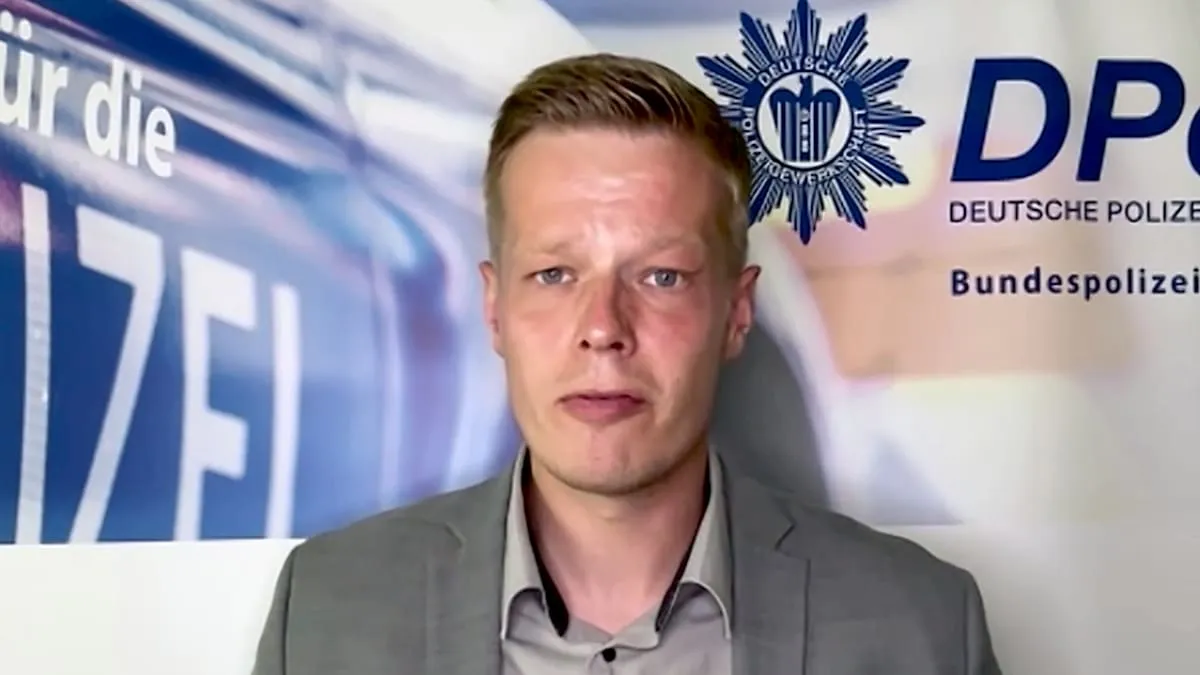
STADE — The primary suspect in the alleged six-fold murder at a mother-and-child home in Stade, Germany, has reportedly taken his own life in prison. This tragic incident, occurring shortly after his arrest in 2026, has triggered an intensive investigation into security and supervision protocols at the correctional facility. Manuel Ostermann, a representative of the federal police union, acknowledged the situation as "tragic" but assured there was no alleged misconduct by judicial officers.
News of the suspect's death rocked Stade following the horror of the alleged murders that claimed six lives, comprising several mothers and children, at a protection facility late last month. The horrific event garnered national attention and sparked a wave of public grief and outrage. The suspect, whose identity has not been officially released by authorities to maintain the integrity of the investigation, had been detained pending legal proceedings.
The discovery of the suspect's body in his cell raises a series of crucial questions. How could an inmate, facing serious criminal charges and under strict supervision, commit such an extreme act? Law enforcement agencies are now focusing on evaluating the standard operating procedures (SOPs) in place at the prison.
Manuel Ostermann, from the German federal police union (Bundespolizeigewerkschafter), responded to the incident with gravity. "We have a tragic situation here," he stated. Ostermann also firmly added, "I am pretty sure that there is no misconduct on the part of the judicial officers in this case," attempting to defuse initial speculation regarding potential negligence by the guards.
Ostermann's statement indicates that authorities may have reviewed surveillance footage and internal reports. However, the public and the victims' families continue to demand full transparency and concrete answers regarding any potential oversight or gaps in the prison's security system.
The suspect's death automatically halts the judicial process that was meant to provide a path to justice for the victims' families. Without a confession or a court verdict, the true motive behind the heinous murders at the mother-and-child home may forever remain a haunting mystery. This adds to the emotional burden for those affected.
This case also brings a sharp focus to the issue of mental health among inmates. Many experts suggest that prison systems often fail to provide adequate psychological support, especially for individuals facing extreme mental pressure due to serious legal charges or complex mental health histories.
Comparatively, this incident recalls similar cases in Europe where suspects of serious crimes ended their lives before trial, such as some cases involving extreme violence against families or children. This fuels an ongoing debate about the state's responsibility to protect the lives of detainees, even those accused of the most heinous crimes.
The German federal government, through the Ministry of Justice, is expected to issue an official statement regarding preventive measures to be taken to prevent the recurrence of similar incidents. Discussions about enhancing prison officer training, implementing advanced surveillance technology, and better access to mental health services are high on the agenda.
This double tragedy in Stade underscores the complexity of law enforcement and social protection. From the horrific crime at the mother-and-child home to the suspect's death behind bars, each layer of events leaves deep wounds and significant questions for German society and its justice system in 2026.
The incident strengthens calls for more comprehensive justice system reforms, not only in apprehending criminals but also in ensuring humane welfare and supervision for those detained. Protection for vulnerable groups such as mothers and children in protection facilities also remains a top priority.
Germany has demonstrated a commitment to addressing violence, as seen from new legal measures regarding electronic ankle tags for former partner violence offenders. However, the Stade case highlights broader challenges in managing individuals with extreme potential danger within the justice system.
The victims' families, now faced with the reality that there will be no trial to provide closure, continue to seek clarity. Their hope to understand why this tragedy occurred and to ensure justice for their loved ones remains a strong demand amidst the unresolved mystery.
Local prosecutors and police in Stade have pledged to continue a thorough investigation, even though the main suspect has died. The focus will shift to the possibility of accomplices or other information that can fully explain the sequence of events that led to the deaths of six innocent people and then the suspect himself.
The people of Germany await the results of this investigation, hoping that valuable lessons will be learned and necessary reforms will be swiftly implemented. The aim is to prevent similar tragedies in the future and restore public trust in the justice system's ability to protect citizens and administer justice.