 Gabriella
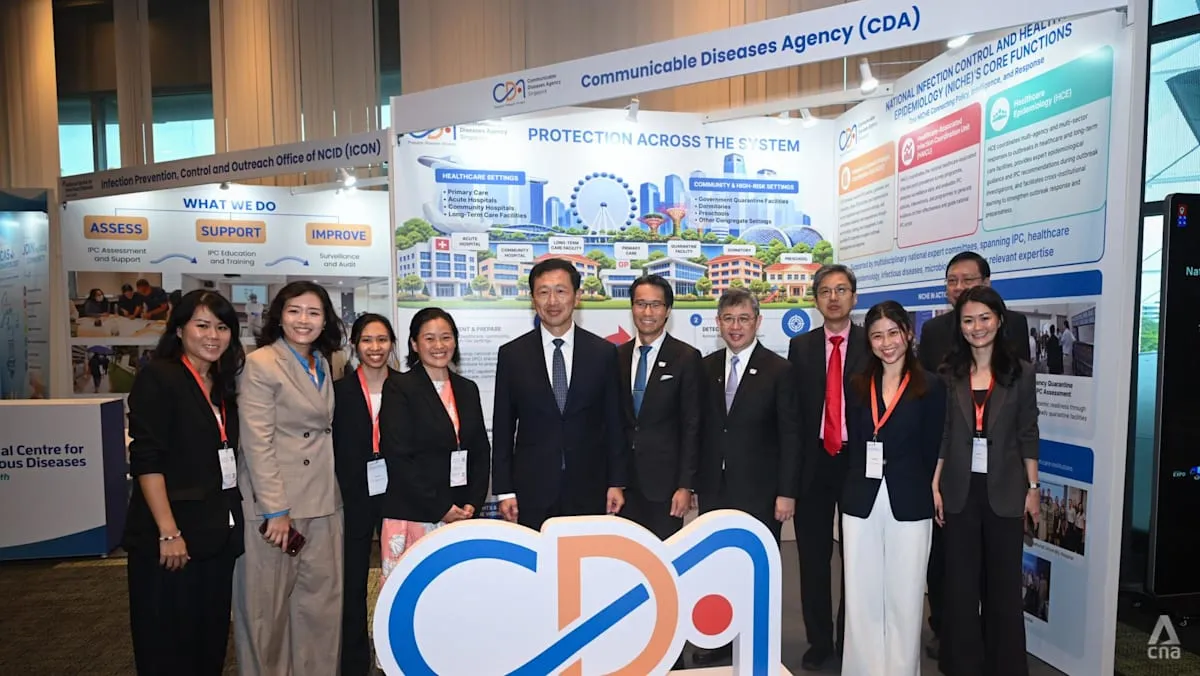
SINGAPORE – Singapore's Communicable Diseases Agency (CDA) has achieved a significant milestone, being designated as a World Health Organization (WHO) collaborating centre for infection prevention and control. This strategic appointment positions Singapore at the forefront of global efforts to combat disease spread, while simultaneously strengthening domestic public health practices through international expertise exchange.
This designation underscores WHO's recognition of Singapore's proven capabilities in managing and controlling various types of infections. Despite economic challenges impacting certain sectors, the nation's commitment to public health remains steadfast. With this new status, the CDA is expected to serve as a vital bridge between local innovations and global health needs, accelerating knowledge transfer among nations.
As a collaborating centre, Singapore will play a crucial role in sharing its well-tested methodologies, protocols, and clinical experiences. Developing nations, in particular, will gain significant benefits from accessing best practices developed by Singapore's advanced healthcare system.
Conversely, this collaboration is not solely about giving; it also involves receiving. Singapore will actively absorb the latest knowledge and technologies from WHO's global network of experts, ensuring that the nation's infection prevention and control strategies continuously evolve and remain relevant to worldwide health challenges.
Infection prevention and control (IPC) stands as a fundamental pillar of resilient healthcare systems, especially in the wake of a global pandemic that exposed vulnerabilities when IPC measures are weak. This initiative arrives at a critical juncture, given the persistent emergence of new infectious disease threats.
Singapore's track record in confronting outbreaks, such as SARS and COVID-19, has served as a global model. Its proactive approach and rapid response, supported by a robust health infrastructure, render the country an ideal partner for the WHO.
The primary focus of this collaboration encompasses guideline development, capacity building training, and joint research to discover innovative solutions to infection challenges. This covers all aspects, from hand hygiene and medical waste management to the appropriate use of personal protective equipment.
This appointment also holds the potential to enhance regional capacity, particularly within Southeast Asia. Singapore can function as a knowledge and training hub, assisting neighboring countries in bolstering their defenses against infectious disease threats.
This step represents not just recognition, but a collective commitment to building a world safer from the threat of infections. This narrative underpins the spirit of the collaboration. Singapore is fully dedicated to fulfilling its new mandate.
Singapore's integration into WHO's global network of collaborating centers solidifies its position as a key player in the world's health architecture. With the synergy fostered, the future of global infection prevention is expected to be more coordinated and effective.
Editorial Insight: The designation of Singapore's Communicable Diseases Agency as a WHO collaborating centre strategically highlights the city-state's exceptional capacity in public health. This decision not only solidifies Singapore's position as a regional leader in infection management but also provides a crucial asset in global health diplomacy. Its impact will be seen in the elevation of global infection prevention standards and the facilitation of more coordinated responses to future pandemics.