 Dodi Irawan
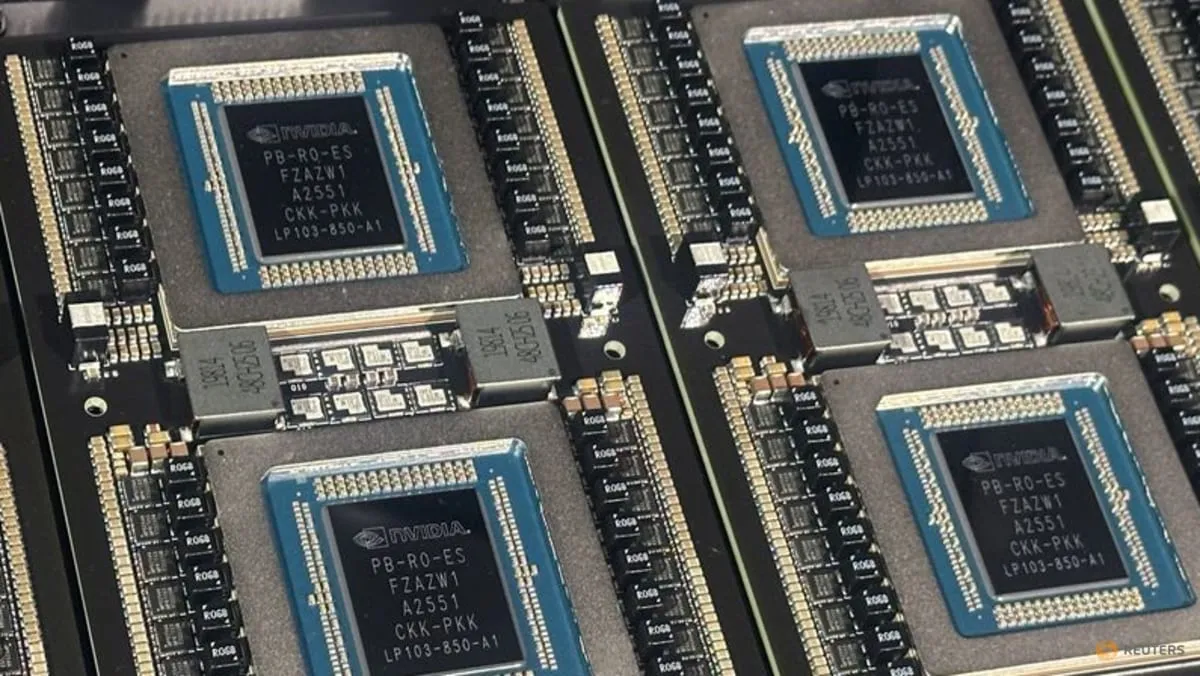
SINGAPORE – The Singaporean government is meticulously studying the details of the latest export control regulations issued by the United States regarding advanced semiconductors. This move comes amid widespread concern over the Washington policys impact on global technology supply chains and the chip industry in Southeast Asia, particularly as mid-2026 approaches.
Washingtons restrictive policies, announced by President Donald Trumps administration, are designed to limit Chinas access to cutting-edge chip technology, citing national security and technological superiority. However, their effects extend beyond the primary target, creating a wave of uncertainty across the entire global semiconductor ecosystem.
As one of the worlds leading technology manufacturing and trading hubs, Singapore is at the forefront of experiencing the repercussions of this decision. The semiconductor industry contributes a significant portion to the city-states gross domestic product (GDP), employs thousands of skilled professionals, and serves as a vital node in global production networks.
Senior officials at Singapores Ministry of Trade and Industry have held a series of internal meetings with local industry stakeholders and international partners. The primary focus of these discussions is to understand the technical and legal implications of the new regulations and to formulate effective adaptation strategies.
We are monitoring the situation closely and actively engaging with affected companies, said a ministry spokesperson who requested anonymity, underscoring the governments commitment to protecting national economic interests. Our objective is to ensure that Singapores technology ecosystem remains resilient and competitive.
These export restrictions encompass a range of critical components, from chip manufacturing equipment to design software and specific types of chips used in artificial intelligence (AI) and high-performance computing applications. This has the potential to slow down innovation in several crucial sectors.
Economic analysts predict that this US move could trigger a diversification of global supply chains, encouraging nations to develop independent semiconductor production capabilities. However, this process requires substantial investment and considerable time, creating a risky interim for the global industry.
This technology control issue also aligns with global concerns regarding the massive impact of AI Threats and the need for clear regulations. Debates over who controls advanced semiconductor technology are often closely tied to issues of data security and digital sovereignty.
Several multinational corporations operating in Singapore, including major chip manufacturers and data service providers, are re-evaluating their operational and investment strategies. They are considering worst-case scenarios and devising mitigation plans to minimize disruptions to production and delivery.
The Singaporean government has also voiced its concerns in international forums, calling for multilateral dialogue to find balanced solutions and prevent the fragmentation of the global technology market. Stability and predictability are key for long-term investments in this vital sector.
Dr. Lim Wei Jie, a professor of technology policy from the National University of Singapore, highlighted the geopolitical complexities behind this decision. This paradigm shift is not just about trade, but also about the struggle for technological dominance that will shape the future of global economies and militaries, he stated.
The impact of geopolitical tensions on the technology market is also reflected in the fluctuations of crypto markets and stock exchanges, as seen in the recent AI Turmoil Shakes Markets. This demonstrates how political decisions in one country can create widespread economic ripples.
Nevertheless, Singapore remains committed to strengthening domestic innovation and attracting investment in high-tech sectors. Government initiatives to support research and development in semiconductors and AI continue to be promoted as part of a long-term strategy to become a global innovation hub.
Experts suggest that Singapore's response will serve as an important example for other nations also feeling the pressure from the technology competition between the US and China. Singapore's ability to navigate these dynamics will test the resilience of its economic model.
Editorial Insight:
The US semiconductor export control policy targeting China is a manifestation of intensifying geopolitical competition. For Singapore, which relies on openness and global economic integration, this situation presents significant challenges as well as opportunities to strengthen its position as a neutral and strategic key player. Singapores ability to adapt, innovate, and engage in active diplomacy will determine how it can mitigate negative impacts and even leverage them for future growth. This event also highlights the vulnerability of global supply chains amidst political fragmentation.