 Gabriella

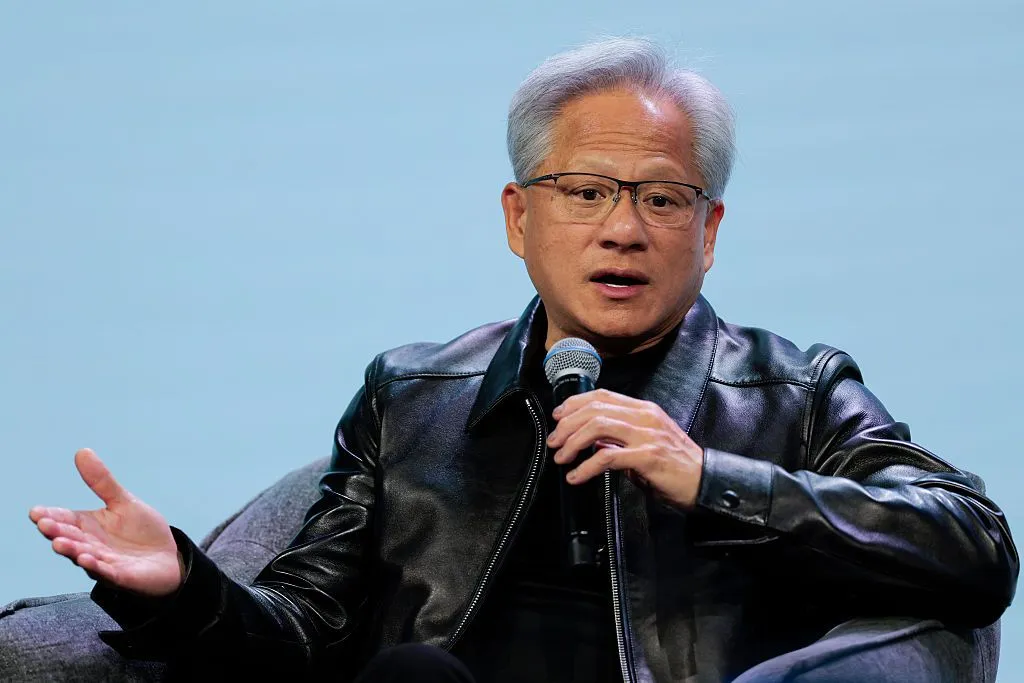
JAKARTA – Tech titan Nvidia has recorded a phenomenal achievement, with its private investment stakes soaring to 65 billion US dollars over the past nine months. This massive surge was primarily driven by the aggressive dealmaking strategy of CEO Jensen Huang and the escalating valuations of its existing portfolio companies. However, speculation surrounding Huang's potential departure from his position now casts a significant shadow over the sustainability of Nvidia's expansion and the direction of its crucial future deals.
The value of these investments has nearly tripled from its previous standing, reaffirming Nvidia's dominance not merely as a leading chip manufacturer but also as a key player in the artificial intelligence (AI)-based startup ecosystem. Jensen Huang, with his futuristic vision, has successfully identified and injected capital into innovative companies poised for disruptive potential across various technology sectors.
The unstoppable pace of growth in the AI sector indeed provides fertile ground for Nvidia. Demand for their graphics processing units (GPUs), which serve as the backbone of AI computing, continues to skyrocket. This market condition creates an ideal environment for Nvidia to expand its influence through strategic investments, securing its position at the forefront of innovation.
Jensen Huang's role as the architect behind this investment strategy cannot be underestimated. His willingness to take risks and his ability to foresee long-term potential have been key drivers behind Nvidia's success in acquiring and developing a high-value startup portfolio. His charismatic and innovation-oriented leadership has shaped a dynamic company culture.
Consequently, news regarding Huang's potential exit immediately sparked anxiety among investors and market analysts. The primary concern centers on who will continue this legacy of aggressive investment strategy and whether his successor possesses similar capabilities to navigate the highly competitive and rapidly changing technology market.
Without Jensen Huang's guidance, Nvidia's future investment deals could potentially slow down or even shift focus. Major and daring investment decisions often heavily rely on the vision and authority of a key leader. Losing such a central figure could lead to a period of uncertainty in strategic decision-making.
Nvidia's presence in the startup investment market also has a significant impact on the global innovation ecosystem as a whole. Many startups depend on funding from giants like Nvidia to develop revolutionary products and services, especially in the fields of artificial intelligence and applied multidisciplinary science, which are key to the 2026 technological revolution.
Throughout the history of the technology industry, leadership transitions often usher in significant changes. For instance, transitions in several giant tech companies show that a founder's vision is often difficult to fully replicate by their successors, even if they are highly capable individuals.
Any potential successor to Jensen Huang will face substantial challenges. They must not only maintain Nvidia's investment growth momentum but also introduce innovation and adaptation to constantly evolving market dynamics, particularly in the highly volatile AI sector.
Investor confidence is also a crucial factor. Jensen Huang has built a strong reputation as a visionary capable of steering Nvidia to the pinnacle of the semiconductor industry. The loss of this central figure could shake market sentiment and require extra effort from new management to rebuild trust.
With startup valuations continuously rising and fierce competition, Nvidia needs to ensure its investment strategy remains relevant and effective. Adaptation to new trends such as quantum computing or AI-driven biotechnology will be key to their continued dominance.
Editorial Insight: Jensen Huang's potential departure marks a pivotal moment for Nvidia and the entire technology industry. Although the company's fundamentals are robust, the vision and audacity of a founder often serve as the primary differentiator. The market will closely monitor how this leadership transition is managed and whether Nvidia can sustain its pace of innovation and investment expansion without its primary architect. This is not merely a change in position but a test of the enduring viability of a business model heavily reliant on visionary leadership.