 Gabriella
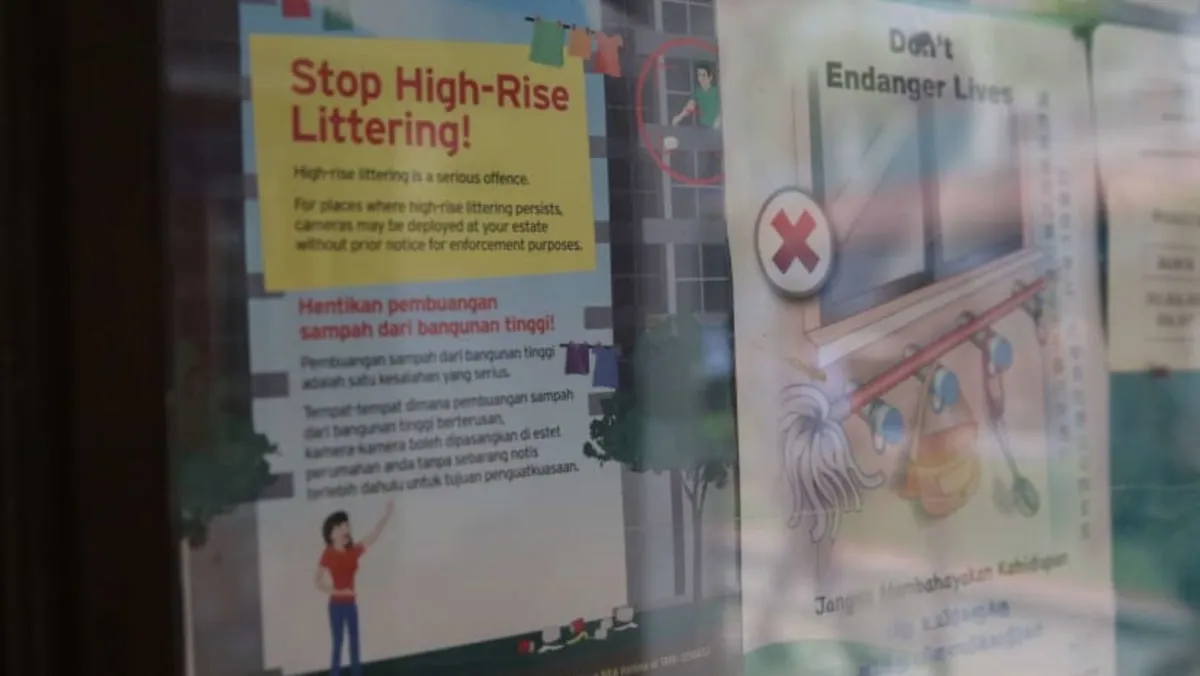
SINGAPORE – The National Environment Agency (NEA) of Singapore in 2026 significantly expanded its surveillance camera scheme, forging a close partnership with local town councils. This strategic move aims to completely eradicate the pervasive practice of high-rise littering, fostering a cleaner and more responsible urban environment.
This collaboration marks a new chapter in the nation-state's environmental enforcement efforts. Town councils now play a crucial role in identifying vulnerable areas that serve as high-rise littering hotspots, providing accurate data for NEA's subsequent actions.
Once locations are identified, the NEA promptly deploys advanced surveillance camera units capable of recording activities in detail. This technology serves not merely as a monitoring tool, but as an effective law enforcement instrument for gathering evidence of offenses.
An NEA spokesperson stated, Synergistic cooperation with town councils is vital. They are our eyes and ears on the ground, enabling us to target areas most in need of intervention. This is not about punishment, but about educating and maintaining high standards of cleanliness.
This initiative responds proactively to citizen complaints and an upward trend in high-rise littering cases within vertical residential developments. Such phenomena not only degrade urban aesthetics but also pose significant public health and hygiene issues.
Internal NEA data indicates that without stringent oversight, individuals often disregard cleanliness regulations, discarding cigarette butts, plastic bottles, and even food scraps from apartment windows or balconies. These actions reflect a clear lack of civic awareness.
The implementation of this system is expected to drastically reduce the number of offenses. Every piece of recorded evidence will form the basis for investigation and prosecution, ensuring perpetrators are held accountable for their actions.
The Singaporean government consistently demonstrates resolve in upholding cleanliness and order. Various strict regulations have been enacted, and their enforcement continues to be strengthened, including through technological innovation.
Residents are urged to actively participate by reporting incidents of high-rise littering. Collective awareness is a primary key to the success of this program, for the sake of a sustainable future for Singapore.
This program also aligns with the Singaporean government's efforts to leverage technology for smarter and more responsive urban governance. The use of cameras is not solely for surveillance but also as a preventative measure.
The success of similar programs in the past, such as managing traffic violations or public security, provides optimism that this approach will be effective in tackling the issue of high-rise litter.
Environmental oversight in Singapore has always been a priority; one needs only observe how the government handles other public order issues. Furthermore, regarding data security, Singapore's Technology Giants Alliance Strengthens AI Banking Data Security in 2026. This underscores a commitment to order and technology.
Editorial Insight: The expansion of this surveillance camera scheme reflects Singapore's firm commitment to maintaining its reputation as one of the world's cleanest and most orderly cities. While it may spark debates about privacy, the effectiveness of such measures in cultivating more responsible civic behavior is undeniable. This represents a proactive law enforcement model integrating technology and community participation for the common good.