 Angela Stefani
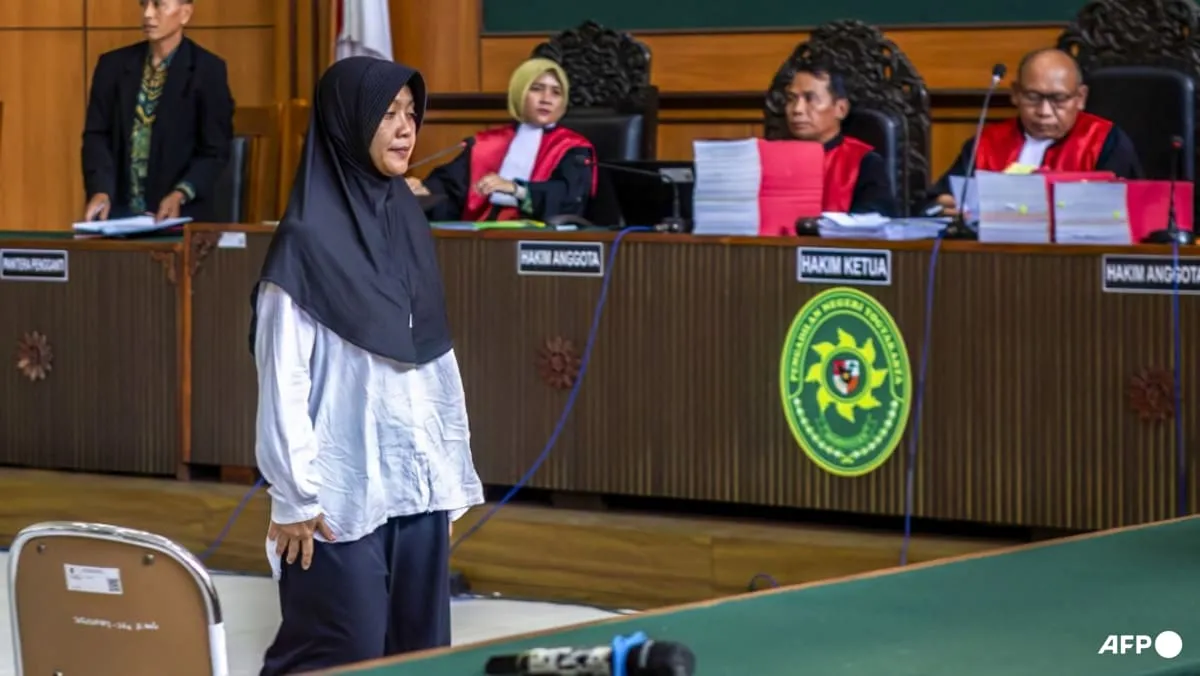
YOGYAKARTA – A court in Yogyakarta has sentenced Anita Palupi, the principal of Little Aresha Daycare Centre, to five years in prison and a fine of Rp 510 million. This legal decision stems from a series of child abuse cases that occurred at the childcare facility, marking a serious affirmation of child protection in Indonesia.
The verdict was read today by the panel of judges, concluding a trial process that garnered significant public attention. This sentence is expected to send a strong signal to all managers of educational institutions and childcare facilities to prioritize the safety and well-being of their young charges.
The case first came to light after several parents reported indications of abuse experienced by their children while at Little Aresha. These reports were then seriously followed up by law enforcement, triggering an in-depth investigation that uncovered a pattern of inappropriate actions.
Public reaction to this case has been diverse, though the majority called for justice for the victims. Child psychologists also highlighted the importance of trauma recovery for child victims and the need for widespread education for parents and caregivers on the signs of abuse.
Prosecutors had previously demanded a heavy sentence, considering the long-term impact of abuse on the psychology and development of children. The judicial process referred to the prevailing Child Protection Law, which aims to guarantee the fundamental rights of every Indonesian child.
Daycare centers should be safe and conducive environments for the growth and development of children, especially when parents are at work. This case at Little Aresha has eroded public trust in childcare institutions.
The Ministry of Women Empowerment and Child Protection (KPPPA) and various non-governmental organizations (NGOs) working in child protection have expressed their commitment to more stringent oversight of daycare and early childhood education (PAUD) operations. They also encourage improving caregiver quality through training and certification.
Recently, the Yogyakarta regional government, along with relevant agencies, has been formulating stricter standard operating procedures (SOPs) for childcare centers. This includes the installation of surveillance cameras and routine audits of facilities and caregiver qualifications.
Parents are urged to be more discerning when choosing childcare facilities, to conduct background checks on managers and staff, and not to hesitate in reporting any suspected violations. Collective vigilance is a primary key.
With this verdict, the Indonesian justice system demonstrates its firmness in combating child abuse. There is great hope that similar cases will not recur, and that every child receives maximum protection within their developmental environment.
Editorial Insight: This case of abuse at the Little Aresha daycare center is not merely about sentencing an individual, but a reflection of the urgent need for systemic reform in the oversight of childcare institutions. The five-year prison sentence and a fine of hundreds of millions of rupiah affirm that the state will not tolerate violations of child rights. Moving forward, public and governmental pressure will intensify to create a transparent, accountable, and fully child-welfare-oriented childcare ecosystem in Indonesia.