 Stefani Rindus
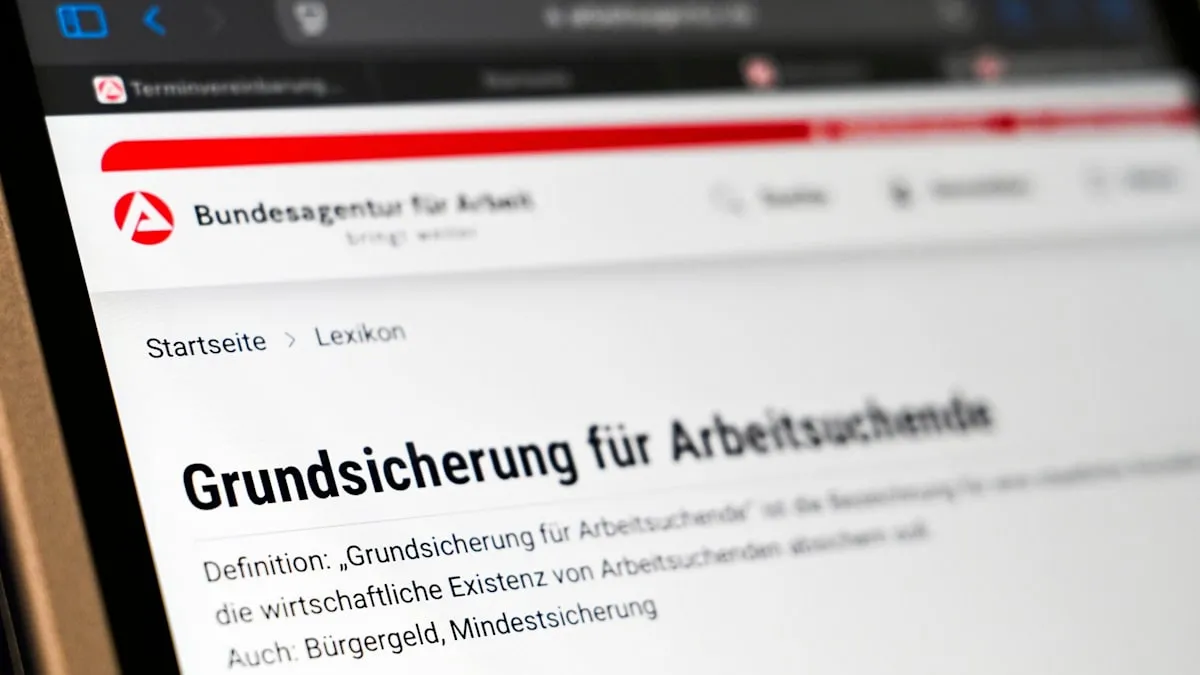
BERLIN – The German federal government faces significant budgetary pressure in 2026. The cabinet must allocate an additional 250 million Euros, equivalent to approximately 4.3 trillion Indonesian Rupiah, to cover the ballooning costs of basic social security, known as Grundsicherung. This policy immediately sparked a wave of sharp criticism, particularly from the Green Party, which openly accused the ruling coalition of spreading public lies regarding the management of public funds.
This situation arose after the relevant ministry acknowledged a deficit in its budget projections for Grundsicherung, previously known as Burgergeld. The additional funds now constitute an unplanned fiscal burden, forcing the government to make adjustments mid-fiscal year. The increased funding requirement highlights complex socio-economic dynamics and challenges within the state's welfare system.
A spokesperson for the Green Party stated that the government's claims about the stable financing of social security programs were a brazen lie. This statement underscores a deep-seated distrust between the opposition and the ruling party concerning the transparency and accountability of public fund management.
The Green Party demands a comprehensive explanation from the government as to why the initial projections were so far off. They emphasize that these rising costs should have been anticipated if budget planning had been conducted more meticulously and realistically.
This is not merely a miscalculation; it is a disregard for fiscal responsibility and an indication of a failure to understand the economic realities faced by the public, asserted a Green Party Member of Parliament during a debate session. These accusations further heated up the German political arena.
On the other hand, representatives from the Union (CDU/CSU coalition), which is part of the government, sought to de-escalate tensions. They argued that fluctuations in social security costs are common and difficult to predict accurately, especially with changes in demographics and the labor market.
However, these arguments failed to appease the Green Party's anger. They highlighted that an additional expenditure of a quarter of a billion Euros is not a trivial sum and requires clear accountability to the German public.
The Grundsicherung program itself is designed to ensure that every citizen has a minimum income to cover basic living needs. An increase in the number of recipients or the amount of benefits can directly impact the total budget required.
This budget controversy is expected to become a central issue in German political debates leading up to upcoming regional elections. The public will closely watch how the federal government addresses this criticism and what steps will be taken to prevent similar deficits from recurring.
Budget transparency is key to rebuilding public trust. Political analysts anticipate that pressure on the government will intensify, not only to explain the current shortfall but also to formulate more sustainable long-term strategies.
This situation illustrates the vulnerability of state budgets to changing social and political conditions. The sharp differences in opinion between political parties reflect varying priorities in public financial management.
The government's decision to make this unscheduled expenditure underscores the need for stricter oversight of the budget planning process. It also serves as a reminder that balancing social needs with maintaining fiscal stability remains an eternal challenge for any government.
Editorial Insight: The ballooning social security budget in Germany, coupled with serious accusations from the Green Party, highlights the crucial importance of accurate fiscal projections and government transparency. This incident has the potential to damage the credibility of the ruling coalition in the eyes of the public, especially if no satisfactory explanation is provided. In the long term, this issue could trigger comprehensive reforms in budget systems and oversight, aiming to ensure the financial stability of the state while protecting the welfare of its citizens. It also reflects the challenges many developed countries face in sustaining welfare systems amidst demographic and global economic changes in 2026.