 Dorry Archiles
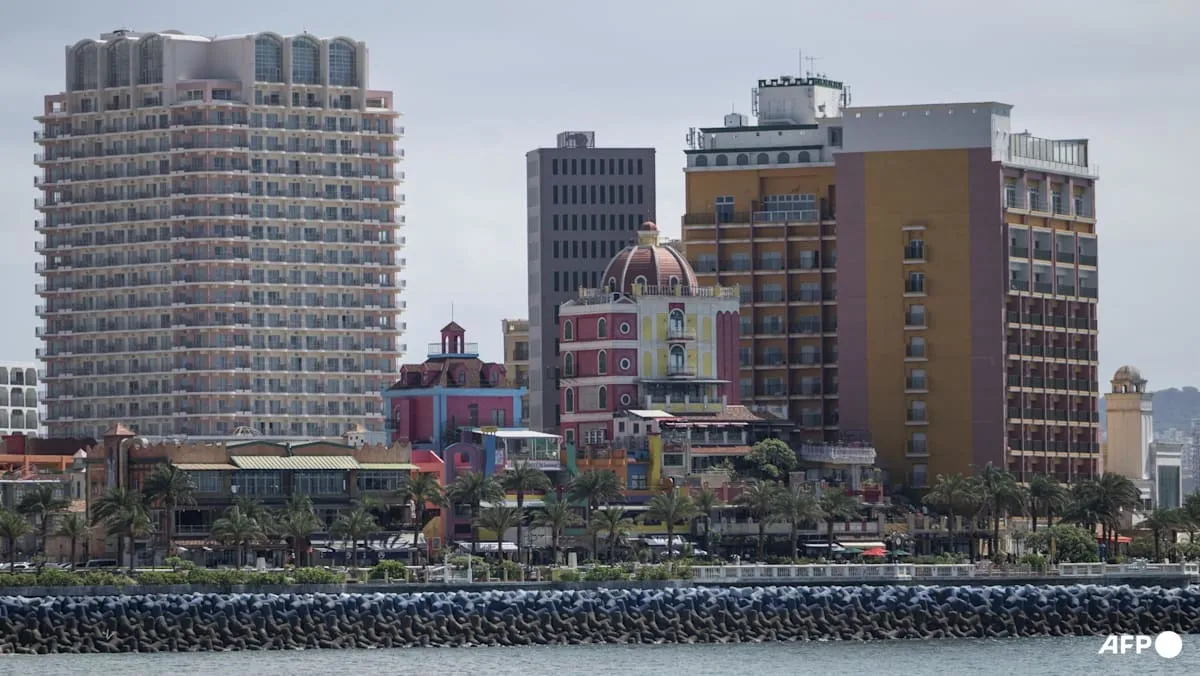
OKINAWA – A United States (US) Air Force captain was arrested by Japanese police in Okinawa on Monday, following allegations of driving under the influence. This incident, occurring just a week after Tokyo and Washington agreed on measures to prevent crimes by US service members on the island, risks once again shaking the stability of the crucial diplomatic relations between the two nations in East Asia. The arrest reignites public outrage in Japan regarding the US military presence and persistent security concerns.
The identity of the captain has not yet been officially released by the authorities. However, local police confirmed the arrest occurred after a citizen reported a suspicious driver. Alcohol tests indicated a level exceeding Japan's legal limit. The case immediately garnered media attention and sparked heated debate on social media.
The Japanese government, through its Ministry of Foreign Affairs spokesperson, has expressed deep concern over this incident. They underscored the importance of accountability and requested the US side take firm action to ensure similar occurrences are prevented in the future. Public pressure for US military personnel to abide by Japanese law has always been a sensitive issue in Okinawa, which hosts the majority of US bases in the country.
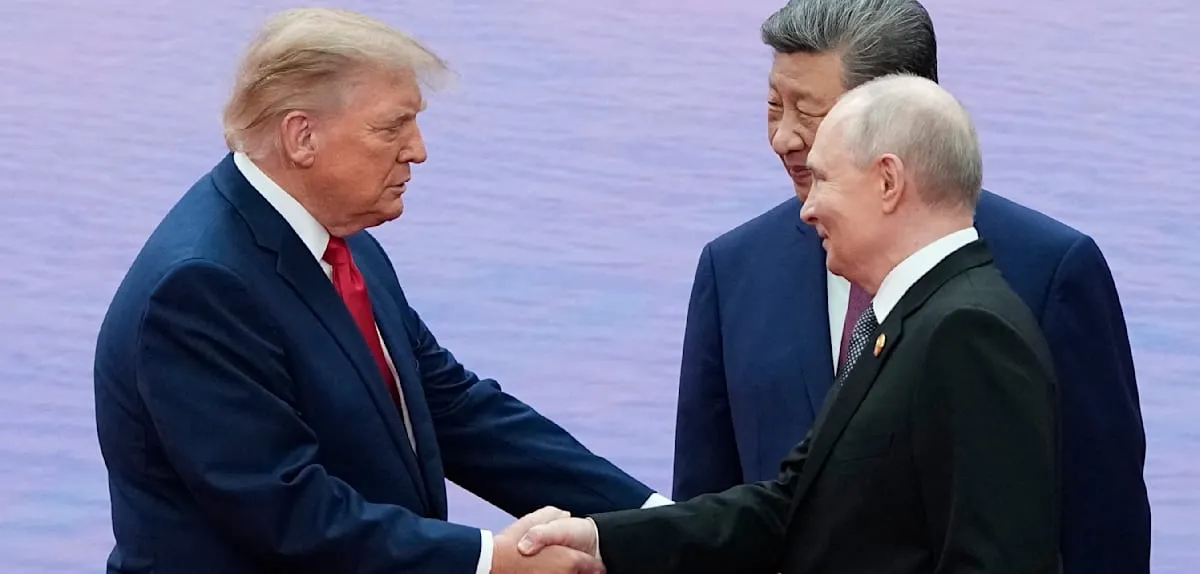
This event is particularly critical given the context of the recently concluded agreement between Tokyo and Washington. That agreement emerged after public anger surged due to a murder case allegedly involving an American Marine the previous year. Both the Prime Minister of Japan and US President Donald Trump had affirmed their commitment to tighten discipline and crime prevention mechanisms.
The measures agreed upon last week included increased joint patrols, more intensive education programs on Japanese culture and law, and a review of procedures for handing over suspects to local authorities. The primary objective of the agreement was to restore public trust and ensure US military personnel act as responsible guests.
However, this arrest of an Air Force captain threatens to undermine those diplomatic efforts. Many in Okinawa feel that such incidents continue to recur, indicating a lack of effectiveness in the implementation of crime prevention policies by the US military. Local activists and anti-base groups have once again voiced strong protests.
The Governor of Okinawa, who has long been vocal against the presence of US bases, will likely use this incident as additional leverage to demand a reduction in foreign military presence. This is not the first time, and unfortunately, it may not be the last, stated a local activist who requested anonymity. Any agreement is meaningless without concrete action.
The US Embassy in Tokyo and the US Military Command in Japan have not yet issued a detailed official statement. Typically, however, an initial response would include an apology and a promise to fully cooperate with Japanese authorities' investigation. This time, however, such promises must be accompanied by swift and transparent concrete actions.
This incident not only tests the Japan-US bilateral relationship but also highlights the complexity of maintaining a strategic alliance amidst demands for sovereignty and local security. In the midst of geopolitical turbulence in the Asia Pacific, the stability of this alliance remains vital for both nations and the region.
The alleged drunk driving case also has the potential to trigger a new wave of demonstrations in Okinawa, as has often happened before. Domestic political pressure on the Japanese government to adopt a firmer stance towards Washington is expected to increase significantly.
The Japanese public demands justice and assurance that foreign military personnel will not be immune to the law. The handling of this case will serve as a barometer of how seriously both governments regard the commitments they recently made to strengthen crime prevention and maintain stability in Okinawa.
Editorial Insight: The arrest of a US Air Force captain in Okinawa is a significant blow to the credibility of the newly signed Japan-US security agreement. While both nations have repeatedly affirmed commitments to prevent crimes, this incident indicates serious gaps in implementation and oversight. President Donald Trump's administration and the Prime Minister of Japan now face a considerable challenge to restore public trust and demonstrate that the agreement is not merely rhetoric but accompanied by impartial disciplinary measures. Failure to take decisive action could exacerbate anti-base sentiment and potentially disrupt a crucial strategic alliance in East Asia.