 Debby Wijaya
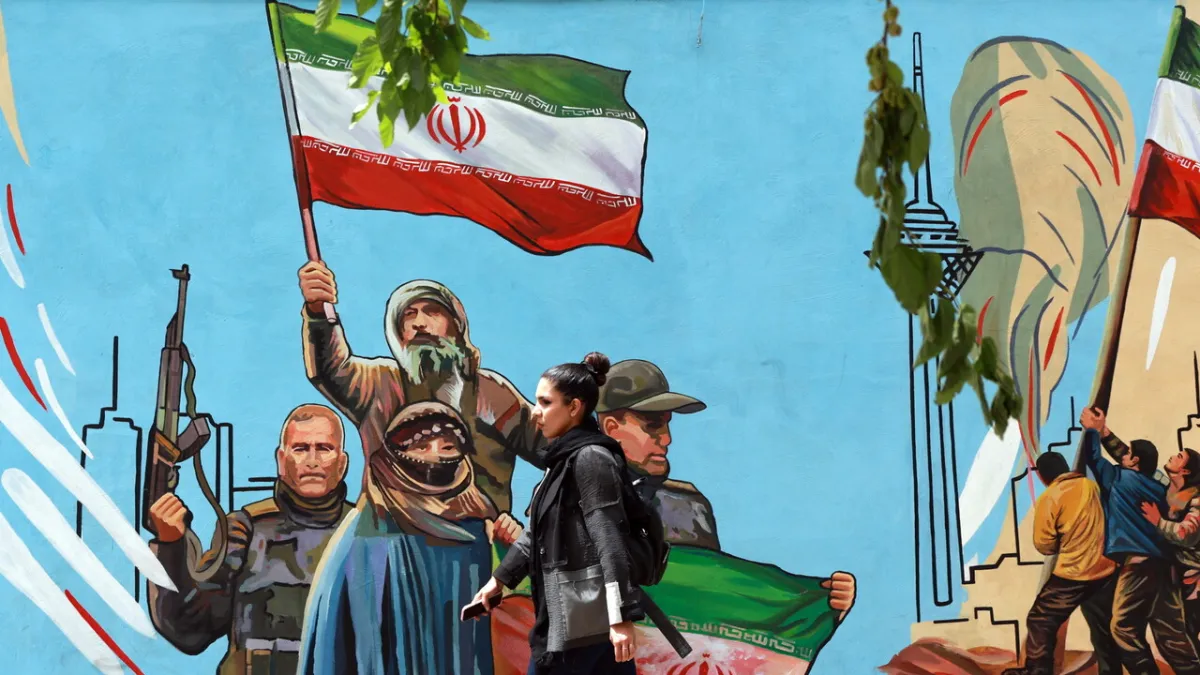
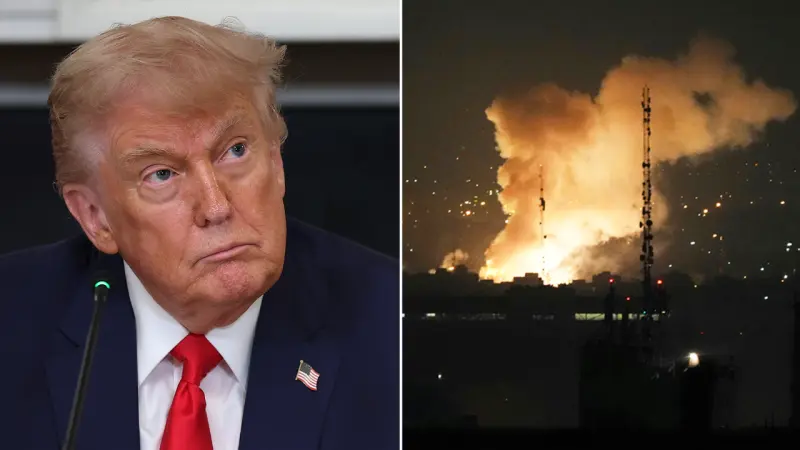
TEHRAN — Mohammad Bagher Ghalibaf, Speaker of the Iranian Parliament, has surprisingly declared Tehran's strategic victory over the United States and Israel, a claim that shook regional stability in early 2026. This bombastic statement followed an attack on an oil tanker in the crucial Strait of Hormuz, further escalating geopolitical tensions.
Ghalibaf asserted that Iran had successfully outperformed its rivals in a complex regional contest. "Iran has won the war with the United States and Israel," Ghalibaf stated, according to local media reports echoing his speech. This declaration, amidst rampant international speculation, adds to a long list of confrontational rhetoric from both sides.
The latest incident in the Strait of Hormuz, although details remain vague, served as a catalyst for Iran's strong statements. An oil tanker was reportedly hit, raising global concerns about the security of the world's energy supply routes, which are heavily dependent on the strait.
Tehran, for its part, has not remained passive. Responding to the incident and perceived threats, Iranian authorities explicitly stated they have prepared a comprehensive plan. This plan is aimed at countering what they term the "folly of the United States," indicating a potential escalation if provocations continue.
Ghalibaf's statement is not mere empty rhetoric; it reflects decades of accumulated tension between Iran, Washington, and Tel Aviv. A long history of economic sanctions, covert operations, and proxy conflicts in the Middle East forms the backdrop of this "victory" claim.
For many international political analysts, such claims can be interpreted as Iran's attempt to assert its dominance and project power in the face of external pressure. It could also serve as an internal signal to bolster morale amidst domestic economic and political challenges.
The Strait of Hormuz, where the tanker attack occurred, is the world's most critical choke point for oil transportation. Approximately one-third of all seaborne oil traded globally passes through this 39-kilometer-wide strait daily, making it a strategic target in any regional conflict.
Concerns about the global economic impact immediately arose after the incident. Fluctuations in oil prices and disruptions to the energy supply chain pose real threats that could trigger economic crises in various parts of the world.
The unfolding dynamics are reminiscent of previous escalations in the region. As previously reported, tensions between Iran and the US have frequently flared, with predictions even suggesting that the Middle East is on the brink of a new war. This unilateral claim of victory could be a manifestation of such projected conflict.
The governments of the United States and Israel have not yet provided detailed official responses to Ghalibaf's claim as of this report. However, the statement is expected to provoke further diplomatic and possibly military responses in this already volatile region.
Iran has repeatedly affirmed its sovereignty and defensive capabilities, even announcing retaliation plans against US "folly" targeting crucial infrastructure. This demonstrates Tehran's seriousness in confronting external threats.
The situation in the Middle East remains a major focus for the international community. Every military maneuver or political statement has the potential to worsen the situation and trigger a wider conflict, drawing global attention to the complexities of these regional relations.
The role of diplomacy and de-escalation is currently paramount. World leaders are urging all parties to exercise restraint and seek peaceful solutions to avoid a larger humanitarian and economic catastrophe.