 Angela Stefani
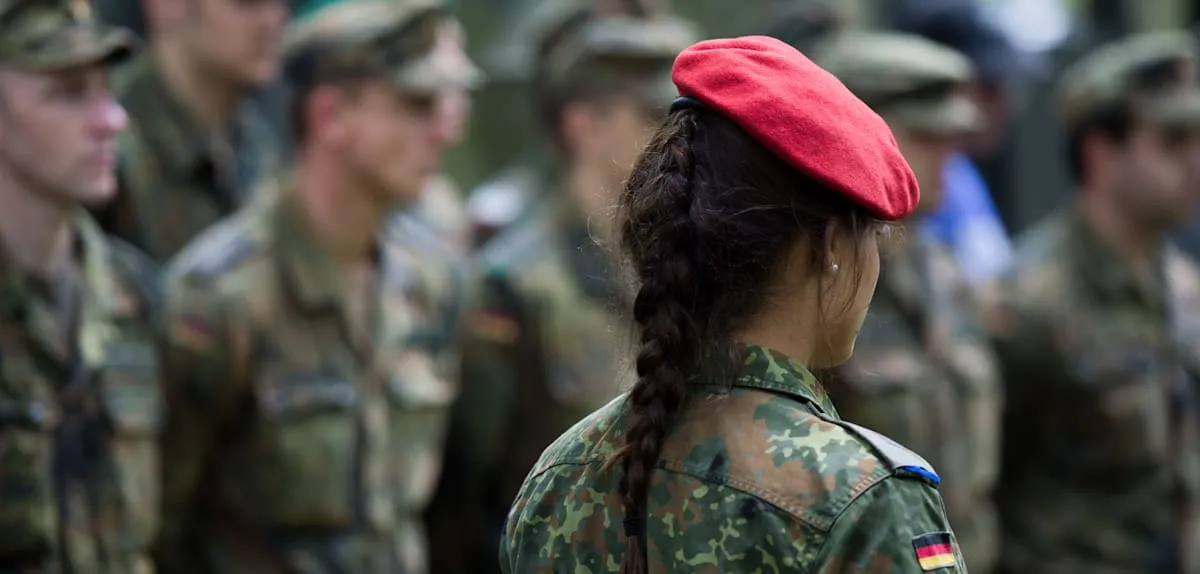
BERLIN – Germany's earnest efforts to recruit more women into its armed forces, the Bundeswehr, face a significant hurdle after a shocking dark-field study revealed widespread sexual misconduct among military personnel. The research specifically highlights a serious impact on young women in lower rank groups, potentially thwarting the personnel increase targets set by Defense Minister Boris Pistorius for 2026.
The comprehensive study, released recently and known as a dark-field study, investigated officially unreported incidents, providing a more accurate picture of the prevalence of sexual harassment within the Bundeswehr. Its findings indicate that the number of unrevealed cases is substantially higher than recorded official reports, creating an unconducive environment for female personnel.
Defense Minister Boris Pistorius has repeatedly emphasized the importance of diversification and increased female representation in the Bundeswehr. As media reports in 2026 indicate, this ambitious endeavor aims to strengthen Germany's defense capabilities and reflect gender equality values within state institutions.
However, the release of these study results comes at a crucial moment, potentially undermining public trust and discouraging potential female recruits. The narrative of the Bundeswehr as a modern and inclusive institution is now confronted with the harsh reality depicted by the study.
The study explicitly states that the most frequently affected victims are young women in lower rank groups. This finding underscores specific vulnerabilities experienced by female soldiers who are new recruits or hold lower hierarchical positions, making them targets for inappropriate behavior.
This situation raises significant questions about the effectiveness of recruitment campaigns. How can an institution attract and retain female talent if its internal environment is still shadowed by issues of sexual harassment? The answer presents a strategic dilemma for German military leadership.
The Bundeswehr's image in the eyes of civil society, particularly for parents considering a military career for their daughters, is also threatened. Negative perceptions could lead to a drastic decline in interest, hindering overall personnel growth efforts.
In response to these findings, the Ministry of Defense is expected to formulate concrete measures promptly. These should include not only strict sanctions for perpetrators but also systematic improvements in reporting mechanisms, victim protection, and prevention education programs.
This scandal is not an isolated incident within global military institutions. Various countries face similar challenges in ensuring a safe and respectful working environment for all their members. This issue highlights the complexity of cultural change within organizations with strong hierarchical structures.
Cases of such harassment have also shaken other public sectors, such as the scandal that once rocked Tubingen, where Mayor Palmer even faced suspension. This demonstrates that similar challenges extend beyond military institutions.
The ambitious target of increasing Bundeswehr personnel, vital for meeting defense needs amidst global geopolitical tensions, now stands at a crossroads. The success of this target heavily depends on the Bundeswehr's ability to rebuild trust and create an environment free from intimidation.
Editorial Insight: The findings of this dark-field study serve as an urgent call to action for the Bundeswehr. Without deep structural and cultural reforms, efforts to recruit women will be futile, even damaging the institution's reputation. The German government, under Chancellor Scholz's leadership, must act swiftly and transparently to address the root causes of this problem for a more inclusive and effective military future.