 Angel Doris
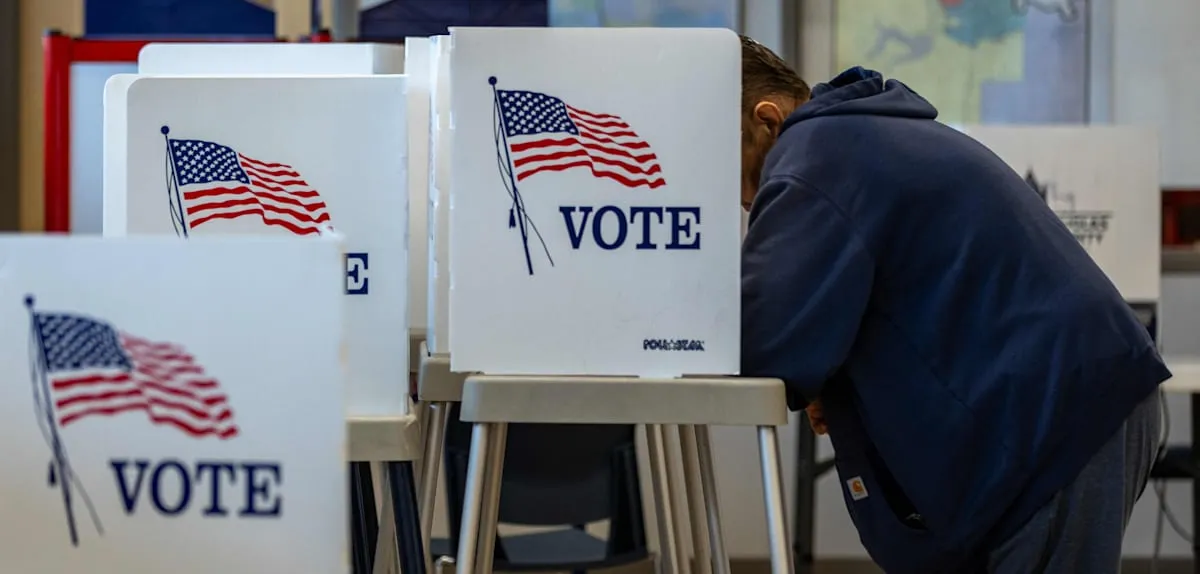
WASHINGTON – A prominent public opinion polling institute in the United States recently admitted to fabricating and falsifying election data. This shocking confession sparked a wave of anger, especially among the US Democratic Party, after renowned national media outlets also spread these fictitious figures that potentially manipulated public perception ahead of the 2026 political contests.
The official admission from the institute, whose identity remains undisclosed, exposed unethical practices in the data collection process. They deliberately created baseless statistical narratives, directly impacting the biased information received by the public. This case immediately shook public trust in survey results as legitimate indicators of public opinion.
Initial investigations suggest that the fake data had been circulating for some time, influencing political analyses and predictions across various platforms. Many observers view this action as a betrayal of democratic principles and information transparency, which are core pillars in a superpower nation.
The Democratic Party became a central focus in this scandal. While specific details on how the data benefited or harmed them are still unclear, the outrage among Democratic sympathizers and politicians is palpable. An internal party source stated, These people are absolute scoundrels, reflecting the anger over the manipulation.
Several major media outlets that previously published the data are now facing pressure to provide clarification and apologize to the public. They are urged to be more rigorous in verifying sources and the validity of information, especially on sensitive issues like general elections that are crucial for the nation's future.
This scandal also reignites the debate about the regulation of polling institutes in the United States. Critics are calling for stricter oversight and severe penalties for parties proven to fabricate data. Without adequate regulation, the integrity of the democratic process can be easily eroded by hidden interests.
Media ethics expert, Professor Eleanor Vance from Columbia University, highlighted the dangers of spreading false information in a political context. When data that the public trusts turns out to be fictitious, the foundation of information we collectively build collapses. This is not just a mistake, but an act of sabotage against truth, she explained.
The long-term impact of this scandal is expected to be significant. Public confidence in survey results, long a key measure of opinion, will sharply decline. This could complicate data-driven decision-making processes in the future and create skepticism towards any statistical narrative.
In the context of 2026 politics, which is heating up with various global and domestic issues, including Donald Trump's position as President, this case adds to the list of challenges for the American democratic system. Society is now faced with the difficult task of filtering information and being more critical of every claim circulated. As previously reported, issues related to foreign policy under the Trump administration have also been hotly debated, adding to the complexity of national political dynamics.
This incident is not the first of its kind globally, but its frequency and impact are increasingly concerning in the digital information age. Ensuring source credibility becomes a collective responsibility, both for information providers, media, and news consumers themselves. This scandal serves as a stark warning to all parties.
The federal government is reportedly considering further investigative steps to hold the perpetrators accountable. Meanwhile, independent bodies and civil society organizations are initiating media literacy education campaigns to equip the public with the ability to distinguish true information.
This survey data manipulation scandal underscores the urgency of reform in the polling and media industries. Moving forward, transparency in methodology and independent audits may become new mandatory standards to restore shattered public trust.
Editorial Insight:
The uncovering of this survey data manipulation is a serious alarm for information integrity in the global political arena. This incident in the United States affirms how vulnerable democracy is to structured disinformation. The impact is not only on electoral outcomes but also on the foundation of public trust in institutions. The future of press freedom and the accountability of polling organizations will largely depend on how this case is handled and what reforms are implemented. Without decisive action, the shadow of manipulation will continue to haunt every democratic process.