 Demian Sahputra
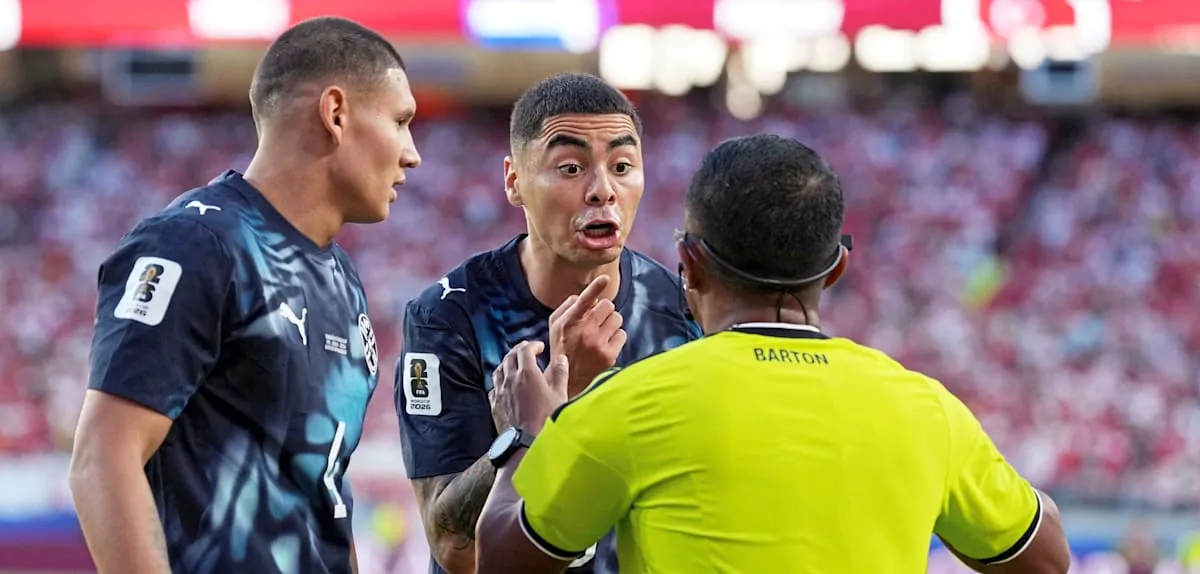
Geneva — The International Federation of Association Football (FIFA) is under intense scrutiny following the implementation of new match rule reforms during the 2026 World Cup. Promises to reduce time-wasting and enhance fairness in every match have been partially realized, yet a series of other changes are raising serious concerns that the world's most popular sport is slowly losing its inherent simplicity.
FIFA initially touted a vision for creating more dynamic and fair matches. Accurate added time, zero tolerance for unnecessary delays, and stricter discipline were the main pillars of their agenda. The goal was to ensure every second of the game provided maximum value for fans and preserved the integrity of the competition.
Some innovations are indeed commendable. The application of more precise added time, for instance, has successfully minimized time-wasting practices that often disadvantaged opposing teams. This also increased match intensity until the final whistle, providing more optimal entertainment.
However, not all changes have gone smoothly. Observers and football stakeholders are expressing unease over the complexity created by layers of new regulations. VAR decisions that sometimes take excessive time, subjective interpretations of rules, and minor changes in game dynamics are seen as disrupting the natural flow of the game.
The essence of football, which has long been loved for its universally simple rules, is now being questioned. A fundamental query arises: Is FIFA's ambition to perfect the game inadvertently sacrificing its fundamental appeal, which is easily understood by anyone, anywhere?
Critics argue that an excessive focus on micro-regulatory details actually distances fans from the spontaneous joy and raw emotion that have always been hallmarks of the sport. They fear that every incident is now overly scrutinized, breaking the rhythm of the game and diminishing the satisfaction of the viewing experience.
Even among players and coaches, there are signs of discomfort. Some pitch stars have implicitly stated the difficulty in fully adapting to every rule amendment, which sometimes feels as if it changes as the tournament progresses. This constant adaptation can hinder creativity and spontaneity on the field.
Millions of eyes worldwide watched the 2026 World Cup with high expectations. Although some matches offered extraordinary drama, debates about the impact of FIFA's reforms on the spirit of the game continue to echo in various forums, from mass media to coffee shops.
Responding to various feedback, FIFA maintains its stance that these reforms are a progressive step for a better future for football. They emphasize the importance of adapting to evolving times and technology, as well as a commitment to continuously evaluate the effectiveness of each policy.
The future of global football now stands at a crossroads. FIFA faces the daunting task of balancing innovation with identity preservation. How the federation manages criticism and aspirations from various parties will determine whether the next World Cup, including the 2030 World Cup expansion project, will remain a magnet for billions of fans or lose its magical touch.
This debate reflects the eternal challenge in every modernization effort. Can football evolve without losing its most precious essence: its universal appeal and simplicity? Only time will tell.