 Stefani Rindus
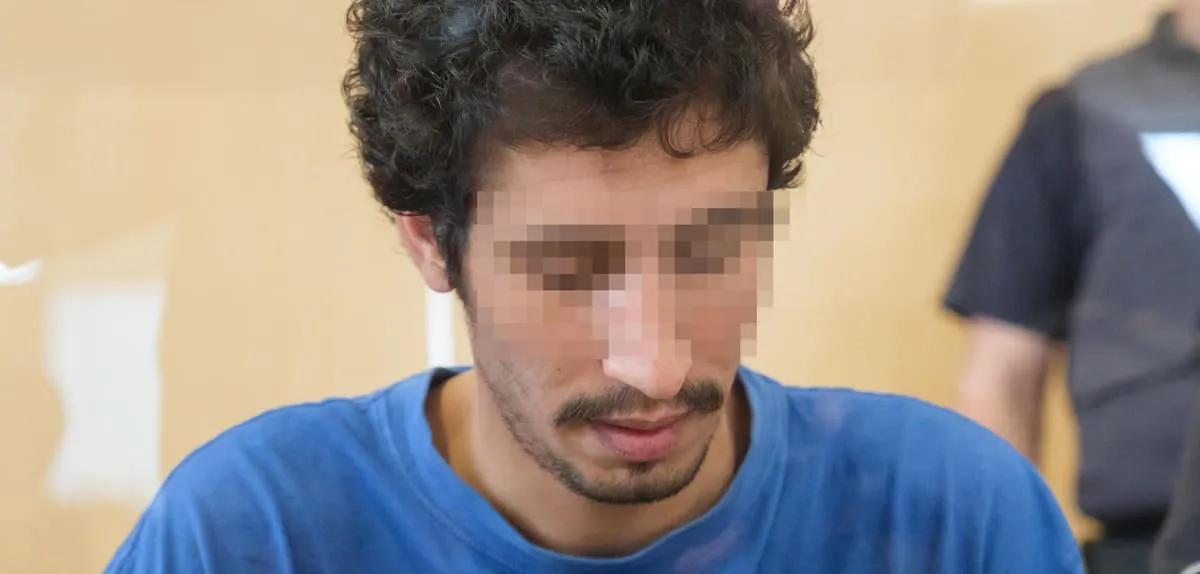
Solingen — A parliamentary investigative committee (U-Ausschuss) in Germany has shaken the public with a startling finding: Issa al Hasan, the perpetrator of a brutal triple murder in Solingen, reportedly maintained secret connections with high-risk individuals within extremist Islamist networks. This discovery, revealed in the committee's latest report in early 2026, fundamentally contradicts the Nordrhein-Westfalen (NRW) government's long-standing thesis that al Hasan was a 'lone wolf' without broader affiliations.
The opposition in the German federal parliament immediately demanded full accountability from the NRW government. They stated that these findings indicate serious gaps in Germany's intelligence and counter-terrorism strategies. The accusation that a perpetrator labeled a 'lone wolf' actually had a network points to a fundamental failure in threat assessment.
"The narrative of the 'lone wolf' has collapsed," said an opposition spokesperson, Ms. Anja Weber, at a press conference held in Berlin. "This is not just about Issa al Hasan, but about a system that failed to detect and prevent these dangerous connections. How many other 'lone wolves' are actually connected?"
The U-Ausschuss report detailed how al Hasan, a supporter of the ISIS terror group, maintained contact with several individuals who had long been on watchlists as 'Islamist threats' by German security authorities. These secret communications were conducted through various encrypted digital platforms, which initially eluded investigation.
The NRW government, through its spokesperson, continues to insist that their top priority is citizen security. "We will review this report carefully and take the necessary steps to strengthen our security system," said NRW government spokesperson, Mr. Klaus Richter. "However, we must be cautious about drawing conclusions too quickly."
More in-depth digital forensic analysis, along with new witness statements that emerged later, became key to uncovering this network. The committee found that al Hasan was actively involved in closed online forums used for radical ideological discussions and potential recruitment.
The implications of these findings are extensive, not only for the Solingen case but also for Germany's national security policy as a whole. It raises questions about the effectiveness of intelligence agencies and police in confronting increasingly complex and decentralized terrorist threats. Similar cases, such as the surprising death of a suspect in a six-person murder in a German prison, had previously heightened concerns about the handling of high-risk cases. The Shocking Death of a Six-Life Murder Suspect Shakes German Prison serves as a reminder of the challenges within the justice and security system.
Several counter-terrorism experts argue that the German government must invest more in advanced intelligence technology and personnel training to identify hidden communication patterns used by extremists. They also suggest the need for closer coordination between regional and federal security agencies.
Amidst a heated political debate, the public in Germany demands full transparency and concrete steps to ensure that incidents like the one in Solingen do not recur. Concerns about radicalization and extremist networks have become a sensitive issue, especially against the backdrop of economic and social challenges also facing the country, as indicated in discussions about new debt to prevent social collapse. Germany Considers New Debt to Prevent Social Collapse is one indicator of the current situation's complexity.
The head of the U-Ausschuss, Dr. Marcus Brandt, emphasized the importance of lessons learned from this case. "We must not be complacent. The threat of terrorism continues to evolve, and we must stay one step ahead," he stated. The committee's report will form the basis for recommendations for legislative changes and security procedures expected to be submitted to the German Parliament in the coming months of 2026.
This issue also emerged amidst calls from politicians like Kretschmer urging Germany to End Political Firewalls. The link between social policy, integration, and counter-terrorism is increasingly under scrutiny. This demonstrates that a comprehensive approach is needed to address the root causes of extremism.
The German federal government, under the incumbent Chancellor, now faces significant pressure not only to explain how these connections were missed but also to reassure the public about their ability to protect the nation from terrorist threats. An emergency debate is expected to be held soon in the Bundestag to discuss the full implications of this report and formulate an effective policy response.
This situation underscores the urgency for security authorities to continually adapt to the communication and recruitment methods used by extremist groups. The existence of hidden networks, as discovered in the Solingen case, indicates that the threat is far more structured and coordinated than initially assumed.
Experts also highlight the crucial role of the community in reporting suspicious activities and supporting deradicalization efforts. Public education on the signs of radicalization and the importance of vigilance is critical in the collective defense against extremism.
The final U-Ausschuss report, published at the end of February 2026, is expected to be a pivotal document guiding security reforms in Germany. This is not merely an investigation into one case, but a profound reflection on Germany's vulnerabilities and resilience in facing a continuously transforming global threat.