 Stefani Rindus
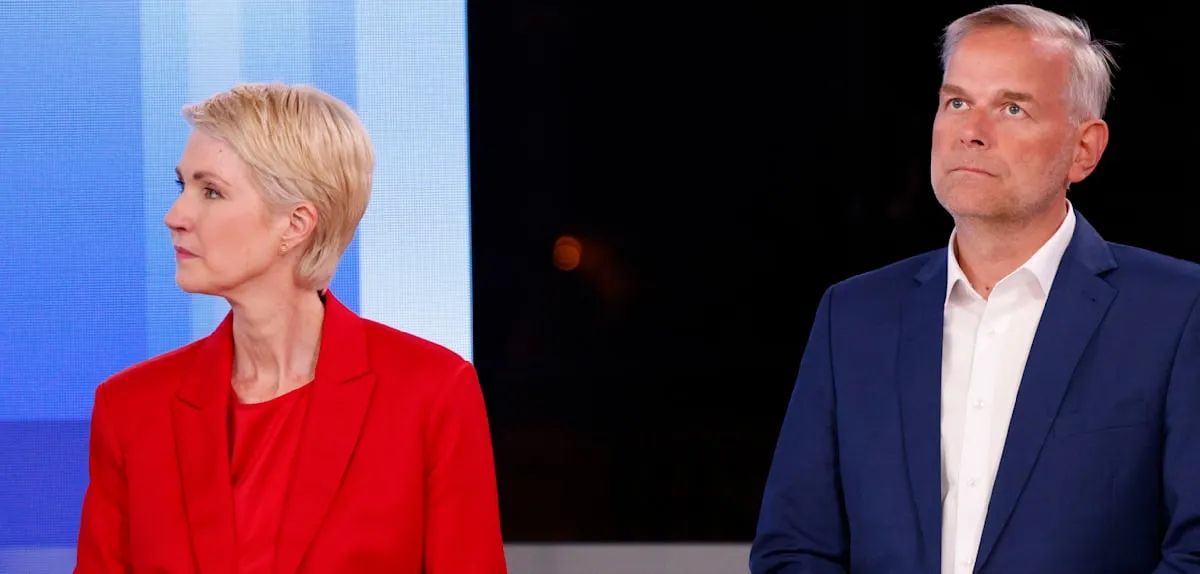
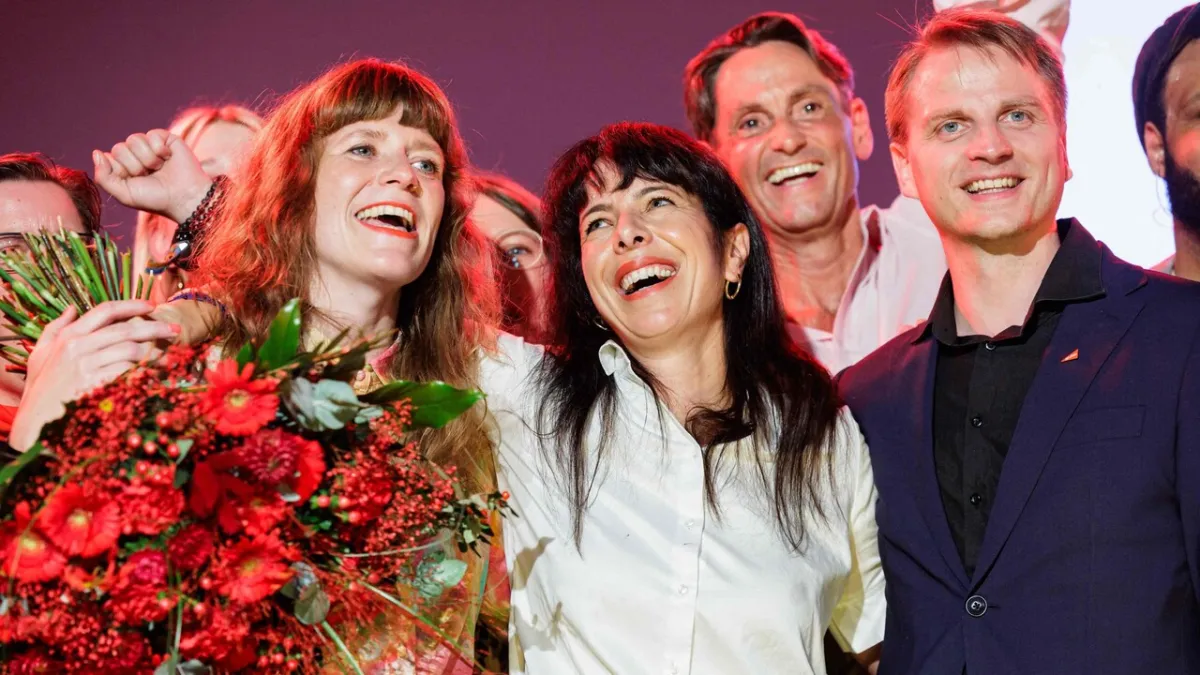
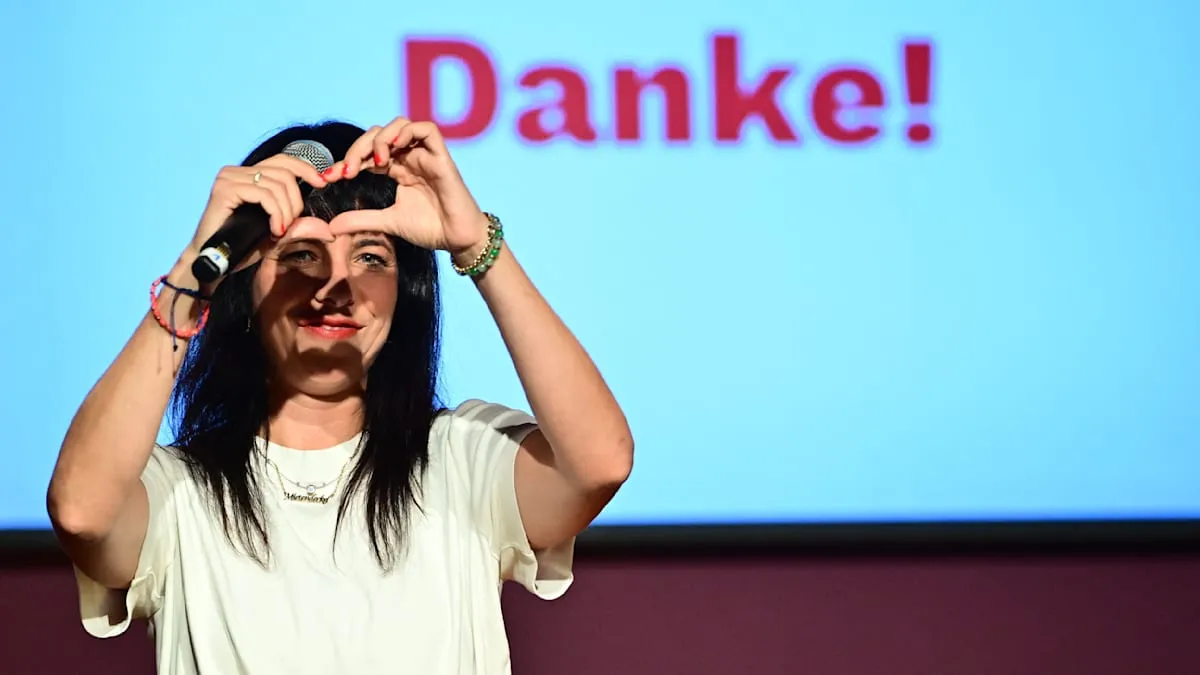
SCHWERIN – Germany's Social Democratic Party (SPD) secured a victory in the Mecklenburg-Vorpommern state election in 2026, ensuring that Manuela Schwesig, a solid leader, will remain as Minister-President. However, the euphoria surrounding her personal and party's success was choked in the throats of party officials on election night, eroded by the striking surge in power of the Alternative for Germany (AfD).
Initial results indicated that the SPD successfully maintained its dominant position. Yet, this achievement was tinged with bitter reality. As the 'blatant blue bar'—a term often referring to the AfD's performance—appeared on television screens, the cheers that should have filled the SPD headquarters turned into a silence filled with apprehension.
Manuela Schwesig's success in leading the coalition and galvanizing voter support in Mecklenburg-Vorpommern is undeniable. Many local political observers acknowledge that Manuela Schwesig Leading: SPD Shakes Up Mecklenburg-Vorpommern State Election! has been a crucial asset for the SPD in the region. Nevertheless, the momentum of her victory is overshadowed by significant questions regarding the future of the German political landscape.
The AfD, a populist right-wing party, once again demonstrated its ability to mobilize voters, especially in eastern Germany. This increase in AfD support is not merely an anomaly but reflects a broader trend that is now a serious concern for established parties across Germany. This situation reveals a significant shift in electoral preferences.
AfD's strength in eastern Germany has long been a topic of discussion, but each election seems to confirm that this phenomenon is becoming more entrenched. Political analysis indicates that many voters feel alienated from central government policies and find an outlet for their aspirations through the narrative offered by the AfD. This fuels discussions about Germany Rocked: AfD Dominates East, Chancellor Merz Calls Results 'Disaster'! at the national level.
The results in Mecklenburg-Vorpommern also add complexity for the SPD nationally. The party faces the challenge of reconciling local euphoria in some regions with disappointment and losses elsewhere, including in the capital. German SPD Divided: Eastern Euphoria, Berlin Defeat Mark Political Arena illustrates the party's internal dilemma, which now must determine its strategic direction.
Analysts suggest that although the SPD successfully retained leadership, the process of forming future coalitions is likely to become more complicated. With a stronger AfD, traditional coalition options may need to be re-evaluated, potentially creating political instability at the state level.
The AfD's continuous growth in the eastern regions places new pressure on democratic parties to understand and address the root causes driving support for the AfD. This includes economic issues, migration, and the perception of political elites' failure to meet the needs of the people.
Lessons from Mecklenburg-Vorpommern are also relevant for Germany's national political context. This election serves as an important indicator of public sentiment leading up to federal elections. Berlin Determines Direction, National Consequences Await Germany Post-2026 Election confirms that every state election result can influence political dynamics in Berlin.
In the short term, Manuela Schwesig is set to continue her mandate, but she and her party now bear a dual burden: leading the government while responding to the increasingly unavoidable electoral challenge from the AfD. Political dynamics in eastern Germany will continue to be a national focal point.
Editorial Insight: The 2026 Mecklenburg-Vorpommern election results are a clear manifestation of deep political tensions in Germany. The SPD's victory, while important for regional stability, is diminished in significance by the AfD's surge. This is not merely about numbers but also about a fundamental shift in public sentiment, highlighting unresolved frustrations and demanding more effective strategic responses from mainstream parties. If this trend continues, coalition politics in Germany will become increasingly fragmented, complicating the formation of stable governments in the future.