 Debby Wijaya
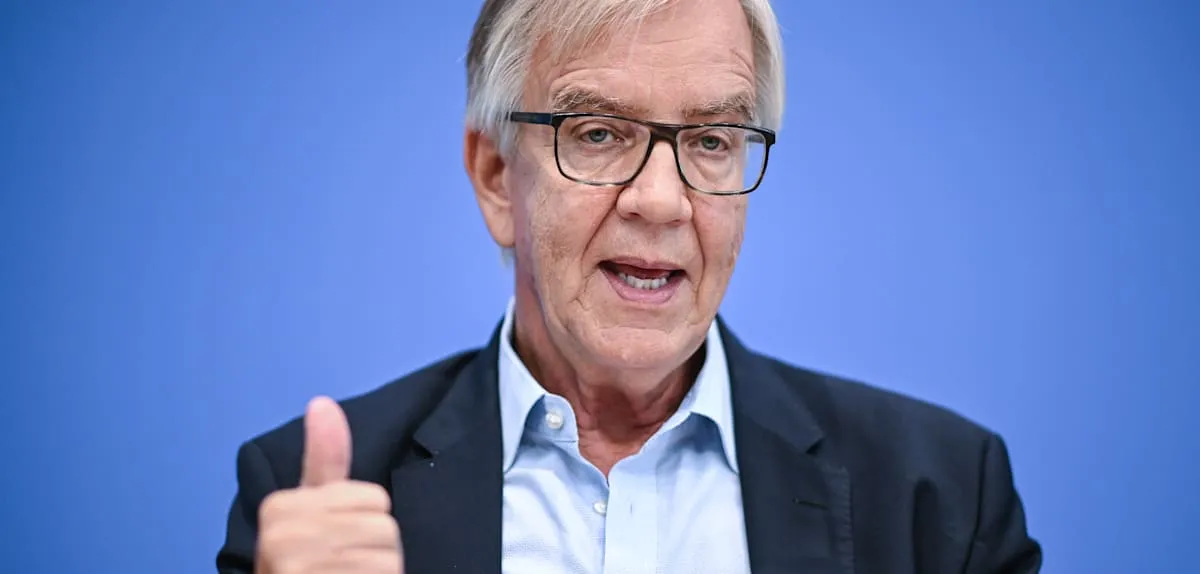
BERLIN – Germany's leading weekly magazine, Der Spiegel, has once again ignited a wave of sharp controversy after its latest issue featured Ulrich Siegmund, a top candidate from the Alternative for Germany (AfD) party, with the provocative label 'the most dangerous man in Germany.' This widely circulated publication immediately sparked outrage among politicians and the public, especially from the left-wing Die Linke (The Left Party), which vocally condemned the headline as 'crazy' and 'irresponsible.' The incident highlights the increasingly heated political arena in Germany ahead of crucial general elections in 2026.
The bold Der Spiegel cover, released in the second week of January 2026, displayed a striking portrait of Siegmund accompanied by a prominent, large headline. The editorial decision to use such harsh language immediately drew national attention, sparking a fierce debate about journalistic ethics, freedom of the press, and the boundaries of portraying public figures.
Ulrich Siegmund is a central figure in the AfD, a far-right party that has recently shown significant increases in support in several regions of Germany. The party is known for its anti-immigration platform, Eurosceptic policies, and rhetoric that often fuels polarization. Siegmund's presence on the cover of Der Spiegel reflects the concerns of some circles about the AfD's influence on the country's political landscape.
One of the strongest responses came from a senior politician of Die Linke, whose name was not mentioned in the original source but whose representatives explicitly criticized Der Spiegel's approach. 'To portray a candidate as the most dangerous man is irresponsible and crazy,' he stated, adding that such actions could further fuel polarization and discredit the democratic process. This criticism highlights fundamental differences in views among parties on how the media should cover controversial political figures.
Der Spiegel's history is indeed closely associated with courage in raising sensitive issues and levelling sharp criticism at political elites. However, such direct labeling is rare and raises questions about whether the media has overstepped its bounds in an attempt to attract readers, or if it is merely performing its watchdog function more aggressively.
The German political climate in 2026 is indeed marked by shifts and fragmentation. Kingmaker Allegations Rock Germany, where small and new parties like BSW are also starting to gain attention, adding to the complexity of power dynamics. In this context, every move by the mass media carries significant weight in shaping public opinion.
Public reaction on social media and online forums is divided. Some support Der Spiegel, viewing the coverage as an important warning about the potential threat of political extremism. However, many also condemn it, accusing the magazine of political demonization and potentially violating the principles of journalistic objectivity.
For Ulrich Siegmund and the AfD, this coverage is likely to have a dual impact. On one hand, the 'dangerous' label could backfire, solidifying the party's negative image among moderate voters. On the other hand, it could also be used as fuel for anti-establishment rhetoric, rallying support from a base of voters who feel marginalized or dissatisfied with mainstream media.
This incident reopens a vital discussion about the media's role in modern democracy. To what extent can the media intervene in political narratives without being accused of bias or agitation? How does one balance freedom of expression with the social responsibility not to incite hatred or division? These questions become increasingly relevant amidst rampant disinformation and polarization.
Germany, as one of Europe's democratic pillars, faces serious challenges in navigating waves of populism and political extremism. How the mass media responds to this phenomenon will be key in determining the direction of public discourse and, ultimately, the future of the country's politics.
The criticism from Die Linke is not merely a conventional political response. This party, ideologically opposed to the AfD, often stands at the forefront of expressing concerns about the rise of right-wing ideologies in Germany. Their call for Der Spiegel's 'responsibility' reflects broader anxieties about the long-term impact of extreme labeling in public discourse.
Editorial Insight: Der Spiegel's labeling of Ulrich Siegmund as 'the most dangerous man' is a bold and risky editorial move. While aiming to highlight the potential threat from AfD's ideology, this approach also sparks debate about the limits of journalistic objectivity and the risk of polarization. The media has a crucial role in informing the public, but also bears great responsibility not to become part of the escalating spiral of political rhetoric. The effectiveness of this strategy will be tested amidst public response and the outcomes of upcoming elections.