 Robert Andrison
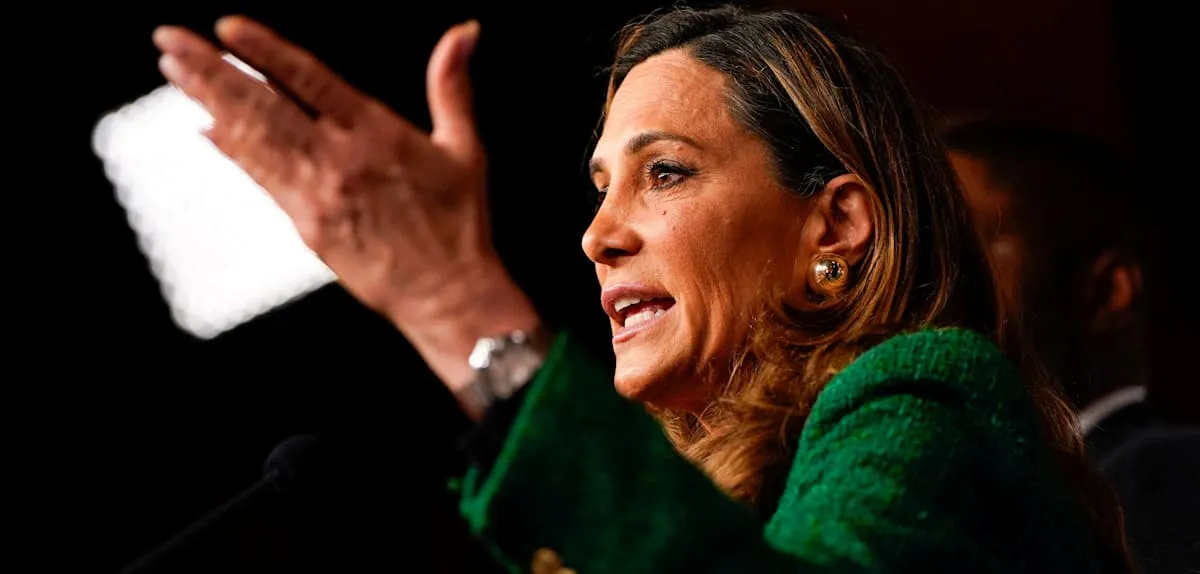
WASHINGTON – US President Donald Trump is facing sharp backlash from within the Republican Party, after a congresswoman from Florida openly accused him of betrayal. This fierce criticism erupted seven weeks before the US parliamentary elections at the end of 2026, focusing on the controversial deportation policy initiated by the Trump administration. This has become a major highlight on the domestic political stage.
Close sources indicate that the legislator from Florida is outraged by the administration's extreme approach to handling immigrants, particularly concerning family separation and the treatment of children at the border. The phrase 'Sie sind zu weit gegangen' (They have gone too far), quoted from her statement, underscores the profound intensity of her disappointment.
The accusation of betrayal, a very serious term in the political arena, implies that Trump's policies deviate from fundamental party principles or even constitutional values. This is not merely a difference of opinion, but an assertion of a breach of public trust and oath of office.
The timing of this attack is crucial. With less than two months until the midterm elections, any internal friction has the potential to damage the party's image of unity and erode voter support. The 2026 parliamentary elections will determine control of the House of Representatives and the Senate, which is vital for Trump's legislative agenda.
Since the beginning of his term, President Trump has made the issue of illegal immigration a cornerstone of his campaign and administration's policies. His rhetoric is often harsh, focusing on border enforcement, wall construction, and mass deportations, which he claims are essential for national security.
The 'zero tolerance' policy, previously implemented, separating children from their parents at the southern border, sparked widespread outrage across the political spectrum. Although it was temporarily halted, the shadow of similar policies or repressive enforcement practices continues to be a source of tension.
While Trump's base of support is largely solid, there has always been a moderate faction within the Republican Party uncomfortable with extreme immigration policies. The criticism from this Florida legislator represents a minority voice becoming bolder in expressing dissatisfaction.
This is not the first time Trump has faced opposition from his own party. Issues such as government funding, foreign relations, and even his leadership style have repeatedly caused tension. However, the accusation of betrayal elevates the level of internal opposition to a new degree.
This tension could deepen the cracks within the Republican coalition, especially as the party strives to maintain its majority. For candidates currently campaigning, navigating internal criticism against the party leader is not an easy challenge.
Independent voters and even some moderate Republican voters might be influenced by this criticism. They may consider whether Trump's approach aligns with humanitarian values or more traditional conservative principles.
For Donald Trump himself, this attack from within his party confirms that even in power, he is not entirely immune to challenges. This could force him to reconsider his strategy or at least respond to criticism more cautiously.
Domestic political tensions in the United States often have global implications. Immigration policy issues are also frequently under international scrutiny, similar to how US sanctions against leaders of other nations, such as Vladimir Putin, become hot topics in diplomacy.
Editorial Insight: The accusation of betrayal from a Republican against President Donald Trump marks a significant escalation in the party's internal dynamics and American politics. Controversial immigration policies continue to be an Achilles' heel for the administration, and leading up to the parliamentary elections, these cracks could have unpredictable electoral consequences. This is no longer just policy criticism, but a profound moral and ideological gamble for the future of the Republican Party.