 Edward DP Situmorang
Brussels – The European Commission now faces a wave of sharp criticism following the publication of a new study that fundamentally questions the central assumptions behind their electric vehicle (EV) regulations. The study's findings are alleged to reveal a deeply deceptive basis for evaluation, causing significant uproar among observers and stakeholders.
The publication of this research immediately places the European Union's regulatory authority in a very difficult position. They are accused of building ambitious policies, which have the potential to transform Europe's automotive industry landscape, upon flawed premises. This has ignited fierce debate about the integrity of the policymaking process in Brussels.
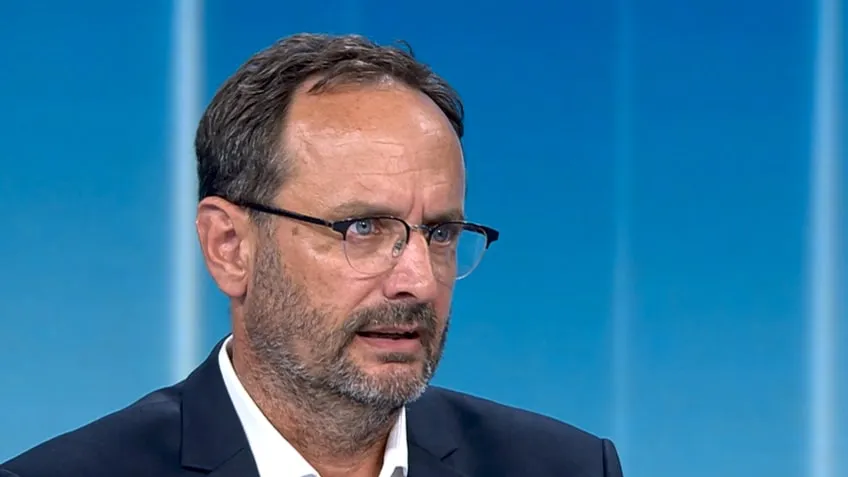
Peter Tiede, a leading author for the prominent media outlet Bild, did not hesitate to issue scathing criticism. The basis for the assessment is deeply deceptive, Tiede stated, emphasizing a fundamental dishonesty in the European Commission's approach to electric mobility regulation. His remarks underscore the depth of the problem now confronting the European Union.
These allegations of deception are not mere empty rhetoric. The study reportedly demonstrates that the data and methodology used by the European Commission to formulate their EV standards are inaccurate or biased. This could have broad implications for the EU's emission targets and future green energy transition strategies.
Electric car regulations are a key pillar of the European Union's Environmental, Social, and Governance (ESG) agenda. The goal is to accelerate the adoption of zero-emission vehicles and drastically reduce the carbon footprint of the transport sector to achieve carbon neutrality by 2050.
If the basis for this evaluation indeed proves flawed, the European Union's credibility as a leader in global climate action could be at stake. The automotive industry, which has invested trillions of euros to shift to EV production, could also be affected by this regulatory uncertainty.
Reactions from various parties are already emerging. Car manufacturers will likely demand clarification and policy revisions if the study is validated. Consumers, who are encouraged to switch to EVs through various incentives, also have a right to certainty regarding the scientific basis behind these regulations.
Naturally, an in-depth investigation into the methodology and findings of this new study is crucial. The European Commission is expected to provide a comprehensive response soon to explain the alleged inconsistencies or to conduct a review of their regulatory framework.
This situation serves as a valuable lesson on the importance of transparency and data accuracy in formulating large-scale policies, especially those concerning the future of technology and the environment. This is not merely a technical matter but also an issue of public trust in institutions.
Failure to address this issue thoroughly could erode trust in other EU environmental initiatives and even weaken public support for the green transition. A damaging precedent could be set if the allegations prove true and are not acted upon.
The long-term implications of this scandal, if confirmed, could be very serious. A complete overhaul of the EU's EV regulatory framework might be necessary, potentially delaying crucial targets and creating damaging market uncertainty.
Moving forward, attention will be focused on how the European Commission responds. Will they stand by existing regulations or acknowledge the need for significant adjustments? This will be a test of their leadership and commitment to good governance.
Editorial Insight: This study is not just a technical critique; it is a direct challenge to the foundation of the European Union's climate policy. If this deceptive basis is proven, the European Commission must act swiftly to restore trust, not only from industry and member states but also from European citizens who expect science-based policies and integrity. Failure to respond seriously could lead to prolonged political and economic turbulence in the automotive sector.