 Gabriella
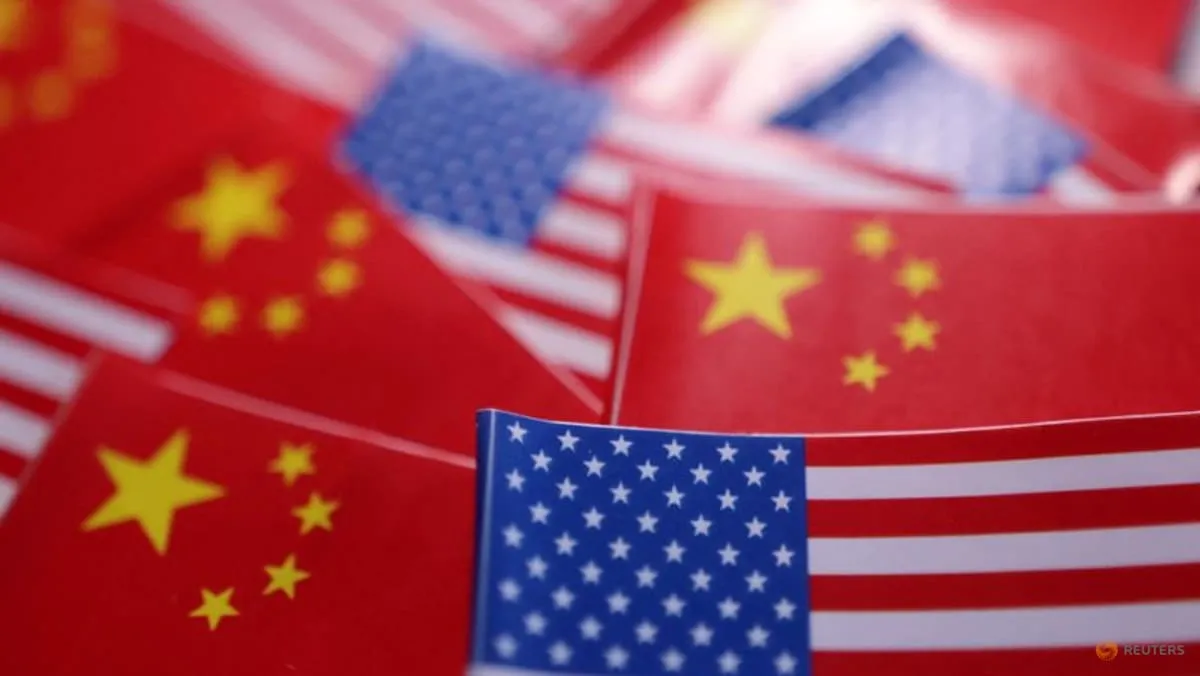
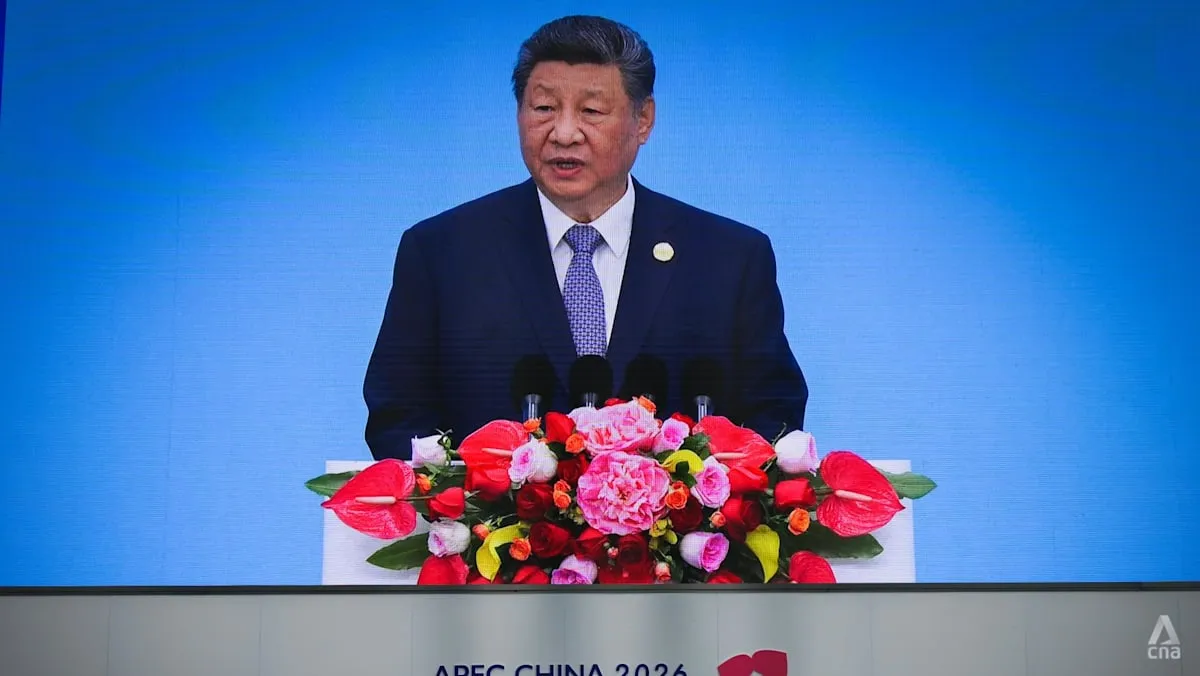
WASHINGTON – Delegations from the United States and China recently held the inaugural bilateral Trade Council meeting of 2026, focusing discussions on sensitive issues such as import tariffs and agricultural product trade. Although this highly anticipated meeting aimed to ease economic tensions, China's commerce ministry confirmed that no concrete agreements were reached. Nevertheless, both sides pledged to continue using this channel to address outstanding issues.
The discussions, conducted in a cautious atmosphere, underscored the complexity of economic relations between the world's two largest powers. Rather than yielding instant breakthroughs, the meeting served primarily as a platform to voice concerns, explore potential areas of cooperation, and gradually reduce lingering frictions.
This meeting takes place amidst a resurgence of trade tensions, a legacy from President Donald Trump's previous term and now continuing under his administration in 2026. The Donald Trump administration has consistently called for improvements in China's trade practices, especially concerning industrial subsidies and market access, often leading to the imposition of retaliatory tariffs.
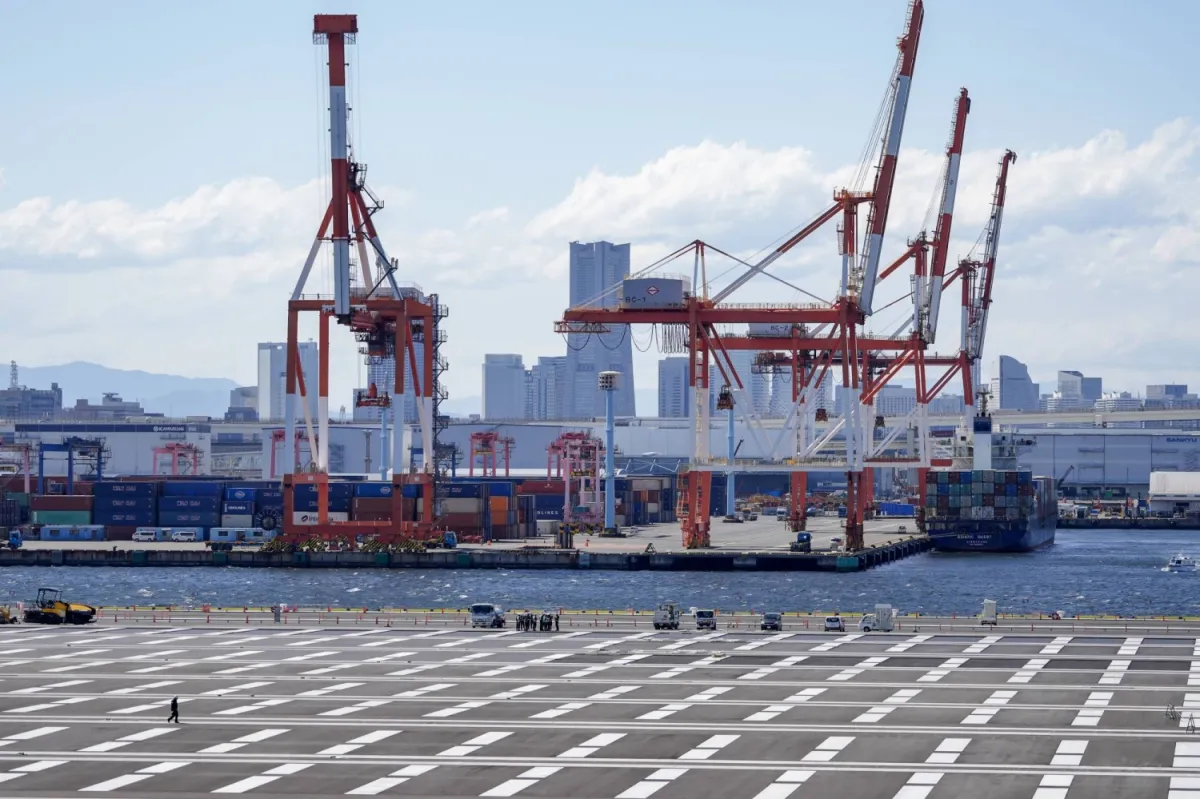
The issue of tariffs, in particular, has been a thorn in the side for both nations. The United States maintains a number of tariffs on Chinese goods imposed to pressure what it considers unfair trade practices, while China has retaliated with similar duties. These policies, on one hand, aim to protect domestic industries, but on the other, impose additional costs on global consumers and companies.
The agricultural sector also plays a vital role. American farmers heavily rely on the vast Chinese market for products like soybeans, pork, and wheat. Restrictions or disruptions in agricultural trade can have significant economic impacts on rural communities in the US, while also affecting food security in China.
The establishment and continuation of such a trade council are seen as a minimal effort to keep lines of communication open. Essentially, it is an acknowledgment that despite profound differences, dialogue remains the only way to prevent a broader conflict escalation that would be detrimental to the global economy.
The economic world closely monitors every development from these negotiations. Uncertainty in US-China trade relations has repeatedly fueled concerns about global economic slowdowns and supply chain disruptions. Articles such as Global Chip War Rages 2026: World Threatened by Tech Recession? on Cognitodaily, highlight how geopolitical competition, including trade aspects, can exacerbate technological and economic instability broadly.
Even without major agreements, the focus on expanding cooperation and reducing outstanding issues suggests hope for finding common ground in certain areas. This could include non-controversial issues or areas where mutual interests can be identified, such as product standards or more efficient customs facilitation.
However, the path towards a permanent resolution remains long and winding. Structural issues like forced technology transfer, intellectual property protection, and the role of Chinese state-owned enterprises continue to be fundamental obstacles that require complex negotiations and high political commitment from both capitals.
The commitment to continue dialogue demonstrates a pragmatic willingness from Washington and Beijing to manage their competition, even if there are no illusions of quick fixes. This dynamic will continue to shape the international trade landscape throughout 2026 and beyond.
Editorial Insight: The US-China Trade Council meeting, which yielded no agreements but pledged continued dialogue, is a stark reflection of the complex relationship between the two nations. It is not a failure, but rather an indication that these two superpowers are still seeking a balance between strategic competition and unavoidable economic interdependence. The absence of major agreements means global markets will continue to face uncertainty, demanding greater vigilance from economic actors and policymakers. Consistent dialogue, however slow, remains the best hope for avoiding escalations detrimental to all parties.