 Dodi Irawan
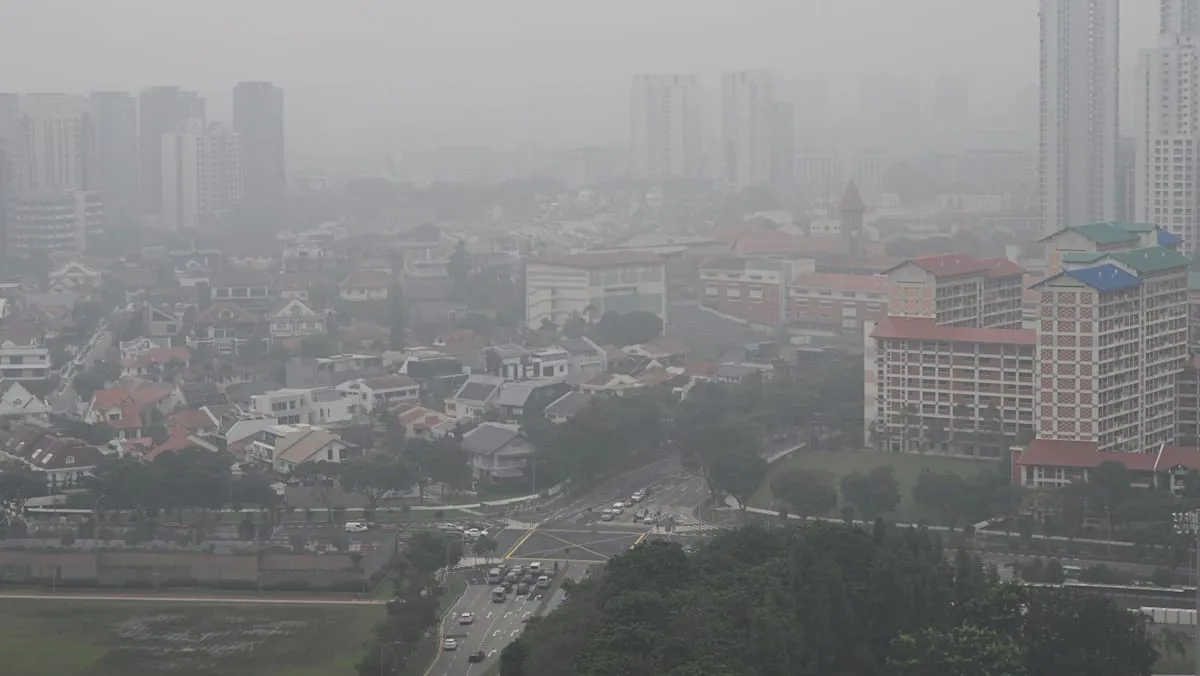
SINGAPORE – The Singaporean government in 2026 significantly strengthened its Transboundary Haze Pollution Act (THPA), providing the city-state with sharper teeth to crack down on land clearers responsible for regional haze. This legislative amendment empowers authorities to take proactive measures even before the haze becomes physically visible, marking a fundamental shift from previous reactive approaches.
This strategic move reflects Singapore's determination to tackle the annual haze problem, which frequently triggers health and economic crises across Southeast Asia. For years, Singapore could only act after its skyline had been shrouded in thick smoke, limiting the effectiveness of its enforcement efforts.
Sean D Tseng, a prominent law researcher from the National University of Singapore (NUS), underscored the importance of the amendments. Previously, Singapore could only act after its skyline had faded. Now, the state has the power to do more before the haze arrives, he remarked, highlighting a new dimension in environmental law enforcement.
The amended THPA now extends Singapore's legal reach, potentially targeting foreign individuals or corporations responsible for land burning outside its territorial jurisdiction, provided their activities directly impact air quality in Singapore. This includes the possibility of prosecution, substantial fines, and injunctions to cease activities.
Transboundary haze has been a recurring and thorny issue in the ASEAN region, primarily originating from land clearing fires for plantations in neighboring countries. Its detrimental effects range from flight disruptions and respiratory problems to losses in tourism and other economic sectors.
With the updated legal framework, Singaporean authorities can now gather evidence and initiate investigations earlier, leveraging satellite monitoring technology and other intelligence information. The focus is on identifying fire sources and involved parties before the situation escalates into a widespread regional crisis.
These updates send a strong signal to industry players operating in fire-prone areas. They are now under stricter scrutiny, and the potential legal consequences of their actions have become much more tangible and immediate.
Nevertheless, the application of laws with a cross-border dimension will undoubtedly face diplomatic and logistical challenges. Regional cooperation remains crucial for effective enforcement, but this unilateral initiative by Singapore is expected to foster greater transparency and accountability.
This step marks a significant evolution in Singapore's approach to environmental protection and international law enforcement. It is not merely a response to a problem but a proactive effort to shape environmental behavior and standards beyond national borders.
Singapore's legislative courage is expected to set a precedent and inspire other countries in the region to strengthen their own legal frameworks in facing complex transboundary environmental threats.
Editorial Insight: Singapore's strengthening of the THPA in 2026 is a transformative step that could alter the dynamics of regional haze management. While the challenges of cross-border implementation will be significant, particularly concerning sovereignty and jurisdiction, this legislative boldness underscores Singapore's commitment. Its effectiveness will largely depend on intelligence capabilities, diplomacy, and the political will to prosecute large entities. If successful, it could serve as a model for handling future transnational environmental crises.