 Angel Doris
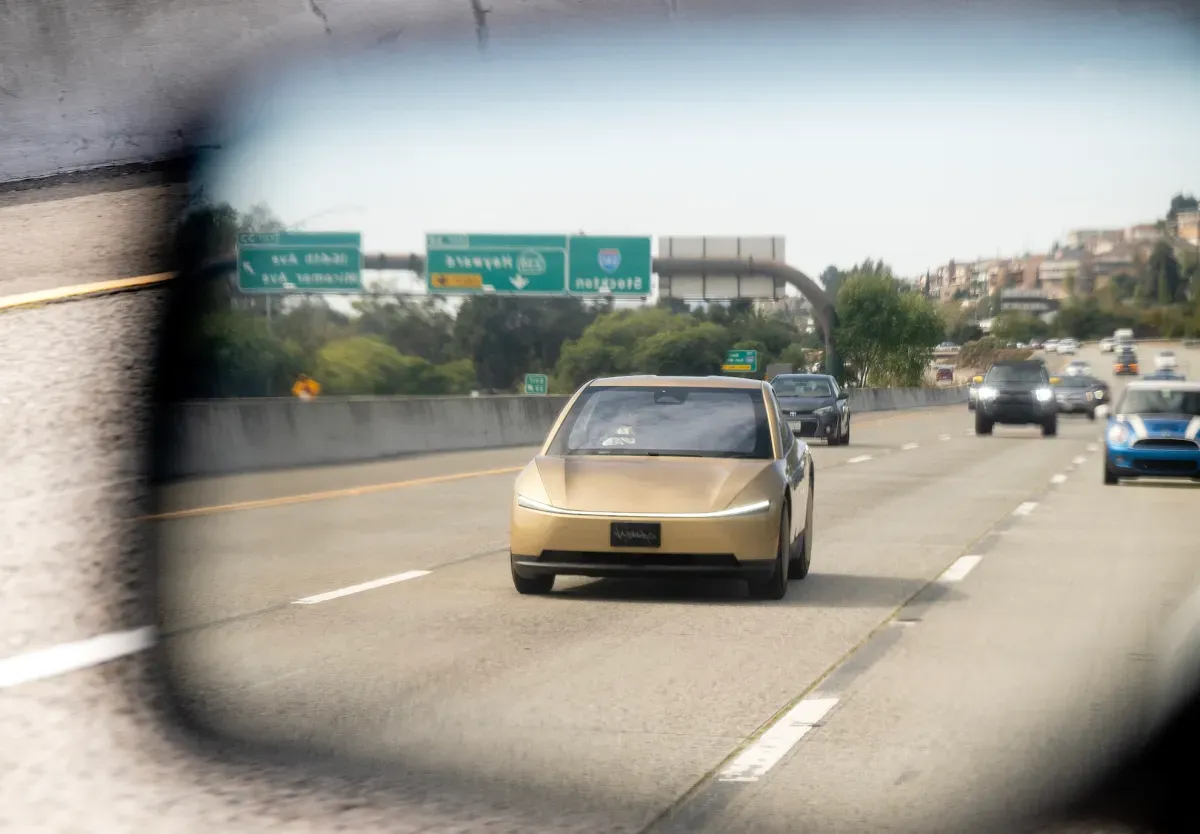
JAKARTA – Tesla has officially opened pre-orders for its latest autonomous mobility service, Cybercab, intended for personal use. This move comes with a monthly subscription fee of $299, a price point that has immediately ignited intense debate among the public and industry observers.
The pre-order policy also implements strict geographical restrictions, indicating that access to the Cybercab service is currently limited to specific areas. These limitations raise questions about Tesla's expansion strategy and the readiness of infrastructure to support its autonomous mobility ambitions.
Surprisingly, even Tesla CEO, Elon Musk, openly stated that the monthly subscription fee is considered too high. This statement adds a layer of complexity to the long-awaited product launch, suggesting that the company might be experimenting with aggressive pricing models.
Nevertheless, the Cybercab represents a concrete manifestation of Tesla's long-term vision to revolutionize personal transportation through fully autonomous vehicles. This vehicle is designed to offer a convenient and efficient mobility solution, free from the need for a human driver.
However, the high price tag for personal use sparks speculation. Is Tesla targeting a very specific premium market segment, or is the company testing the limits of consumer tolerance for technological innovation at a significant cost? These questions are crucial given the increasingly fierce competition in the electric and autonomous vehicle sectors.
The discussion surrounding this price point is reminiscent of the dynamics in other luxury vehicle markets, where substantial investments are often accompanied by significant financial risks for consumers. A similar phenomenon occurred, such as the Corvette E-Ray owner who suffered a major loss shortly after purchase, indicating that the market for innovative vehicles is always dynamic.
The geographical restrictions on Cybercab operations also indicate that Tesla is still in the testing and validation phase of its autonomous technology in real-world environments. This is a crucial conservative step to ensure safety and reliability before a wider rollout.
The company plans to develop Cybercab not only for personal use but also as part of a larger Robotaxi network, where vehicles can operate driverless to transport passengers commercially. This vision is at the core of Tesla's ambitions in future mobility.
Elon Musk has previously promised the mass arrival of Robotaxis multiple times, but their implementation has consistently faced complex regulatory and technological challenges. This personal Cybercab launch might serve as a bridge to that vision, gathering crucial operational data and experience.
The decision to launch with a high price and geographical restrictions is likely part of a strategy to manage expectations, gather feedback from loyal early adopters, and gradually refine the service. Market reaction to this pricing will be a significant indicator for Tesla's next steps.
Editorial Insight: Tesla's decision to price the Cybercab with a high subscription fee, even acknowledged as expensive by Elon Musk, reflects a dilemma between disruptive innovation and market acceptance. This could be an effort to fund further research and development, or simply a premium offering strategy to test the limits of consumer purchasing power for cutting-edge technology. The success of Cybercab will heavily depend on how quickly Tesla can reduce costs, expand its reach, and convince consumers of the value proposition commensurate with the investment.