 Chandra Wijayanto
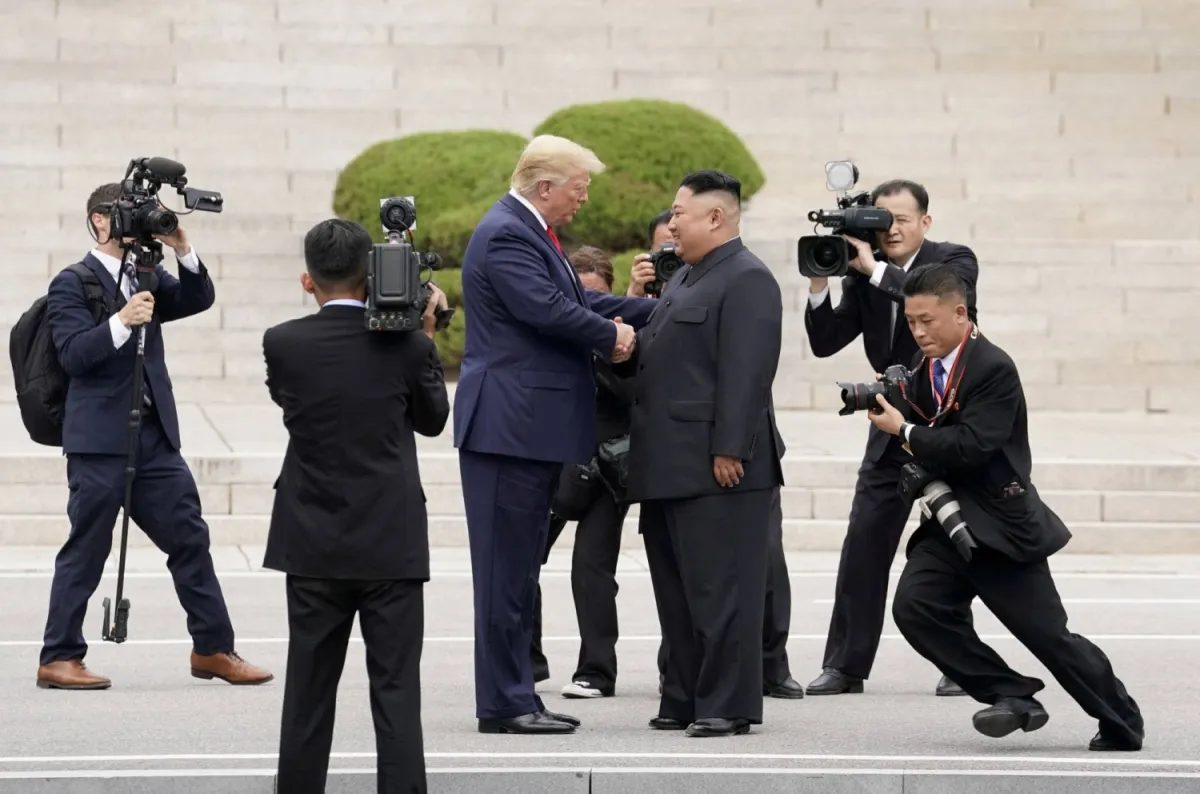
MOSCOW – Speculation regarding a potential summit between United States President Donald Trump and North Korean Supreme Leader Kim Jong Un on the sidelines of the APEC 2026 Summit is growing stronger. The increased odds follow a Kremlin statement that opened the possibility of a meeting between Kim and Russian President Vladimir Putin, drawing the attention of global geopolitical analysts.
This shift in perspective marks a new chapter in the diplomatic dynamics of the Asia Pacific region. Over the past few weeks, the narrative surrounding North Korea's relations with global powers has changed, especially after Moscow hinted at its willingness to facilitate high-level dialogue.
Several international relations experts view the potential Kim-Putin meeting as an indirect signal to revive communication channels between Pyongyang and Washington. Amid global geopolitical tensions, the APEC 2026 Summit serves as a crucial stage for various bilateral and multilateral agendas.
APEC summits are known as primary economic forums that are also often utilized for diplomatic meetings outside the official agenda. This environment provides a strategic opportunity for leaders to engage in sensitive dialogue away from formal scrutiny. As previously discussed, APEC 2026 Summit: Washington, Beijing, Moscow Confront Each Other, Fate of the World on the Brink of Negotiation will be a critical event for world leaders.
For President Trump, a meeting with Kim Jong Un could emphasize his foreign policy priorities, which often stress personal diplomacy. Efforts to re-establish high-level communication potentially de-escalate regional tensions and demonstrate the United States' commitment to stability on the Korean peninsula.
Meanwhile, for Leader Kim Jong Un, a meeting with Trump would offer diplomatic validation and potentially pave the way for the easing of long-standing economic sanctions that have burdened his country. Engagement with both Russia and the United States simultaneously could enhance Pyongyang's bargaining position on the global stage.
Dr. Li Wei, a political analyst from the National University of Singapore, stated, The Kremlin's statement significantly alters the dynamic. If Kim feels comfortable engaging with Putin, the door for similar conversations with Western leaders, especially Trump who has a history of interaction with him, opens further.
Russia's role in shadowing this speculation cannot be ignored. Russia's proximity to North Korea gives Moscow unique leverage in facilitating dialogue. This aligns with Russia's tendency to be active in global issues, sometimes with controversial steps as seen in Russia Blocks UN Autonomous Robot Negotiations.
Such diplomacy is not without major challenges. The issue of North Korean denuclearization remains a primary stumbling block. However, the more informal atmosphere of the APEC Summit could provide room for exploring innovative solutions that might be difficult to achieve in other official forums.
Initial steps to explore this meeting would involve low-level communication and the establishment of mutually beneficial agendas. The success or failure of this potential meeting will have far-reaching implications for regional stability and global security architecture.
Editorial Insight: The potential Trump-Kim meeting at APEC 2026, spurred by Russian diplomatic activity, indicates a tactical shift amid geopolitical complexities. This opportunity, if it materializes, could be a pragmatic step to de-escalate tensions, though substantive obstacles like denuclearization still require comprehensive solutions. The very nature of the APEC Summit as an informal platform provides a unique opening for dialogue that might not occur in formal settings. Its impact could be significant, both for regional security and the reconfiguration of global power dynamics.