 Chris Robert
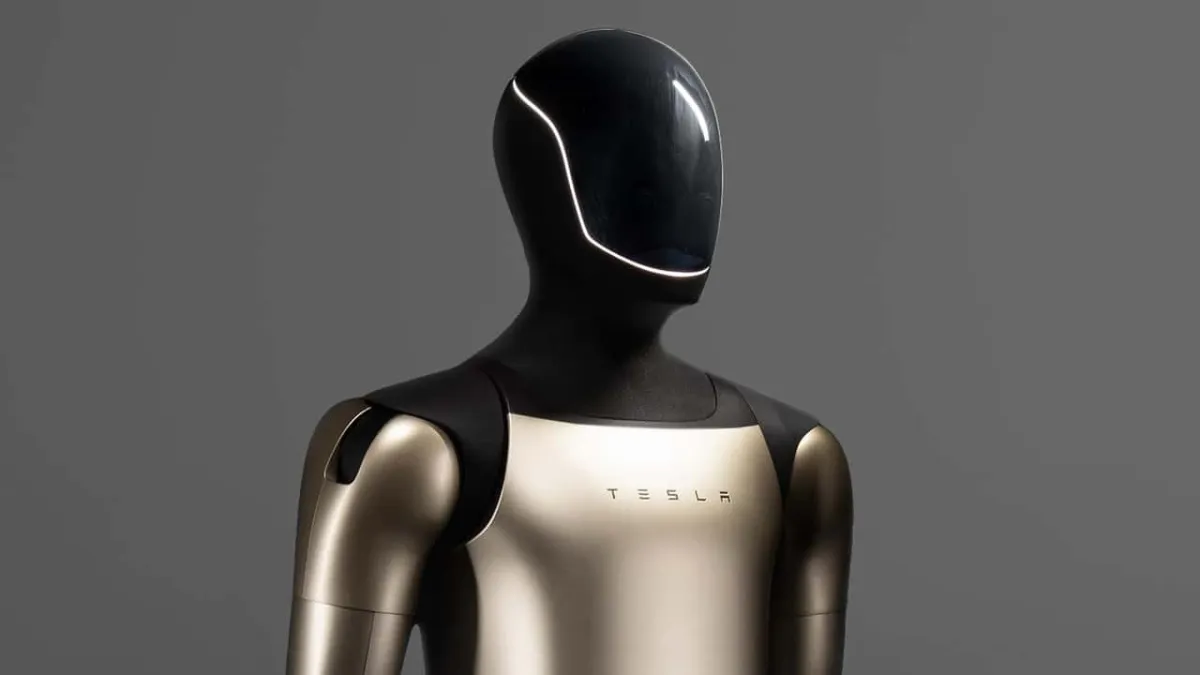
JAKARTA – Speculation regarding the opening of pre-orders for the Tesla Optimus humanoid robot surged across public and global technology industry channels in 2026. This was triggered by a single analyst report claiming Tesla intended to begin taking orders soon. However, that optimism was quickly met with a brief denial from within Tesla, coupled with a still-vague release target of 2027, creating significant market uncertainty.
The widely circulated report, despite originating from a sole analyst, successfully ignited the imagination of many. Investors and robotics technology enthusiasts began to envision scenarios where they could soon acquire a futuristic household assistant or factory worker from Tesla.
However, the euphoria diminished when confirmation of the report was sought. A concise statement from within Tesla, often merely a one-word denial, was sufficient to cast serious doubt on the claims of imminent pre-order availability.
This denial effectively relegated the news of Tesla Optimus pre-orders back to the realm of speculation. It also illustrates how giant technology companies like Tesla operate in maintaining the confidentiality of their strategic plans, especially concerning products still in intensive development stages.
Furthermore, the 2027 target mentioned in the context of Optimus's development remains shrouded in ambiguity. Does this refer to widespread product availability, the commencement of large-scale trials, or merely an internal target for achieving a more functional prototype?
This uncertainty raises crucial questions about Tesla's communication strategy. On one hand, Elon Musk, Tesla's CEO, is known for using social media platforms to provide glimpses or previews of the company's future projects. However, for Optimus, consistent and detailed information remains scarce.
The development of humanoid robots like Optimus presents not only technical challenges but also complex logistical and regulatory hurdles. The integration of such robots into daily life or work environments requires extremely stringent safety and ethical standards.
These developments occur amidst fierce competition in the automotive and technology industries. Other companies are also actively developing autonomous technologies. For instance, BMW is set to launch an autonomous city assistant in 2027, indicating that innovation across various sectors is advancing rapidly.
Tesla Optimus itself was first introduced as an ambitious project promising a robotic worker capable of performing repetitive and dangerous tasks, thereby freeing humans for more complex or creative work. This vision is part of Tesla's mission to accelerate the world's transition to sustainable energy and full automation.
With the analyst report sparking excitement and the subsequent official denial, the situation surrounding Tesla Optimus pre-orders remains in a gray area. Both investors and the public will continue to monitor every development from Tesla, awaiting clarity on the future of this promising humanoid robot.
Editorial Insight: The speculation surrounding Optimus highlights high public expectations for Tesla's robotic innovations. However, the company's ambiguous response simultaneously confirms that humanoid robot development is still far from mass commercialization. The 2027 target is likely a highly tentative internal estimate, and technical and regulatory challenges will be the main determinants of when Optimus is truly ready for pre-orders or even a full launch.