 Edward DP Situmorang
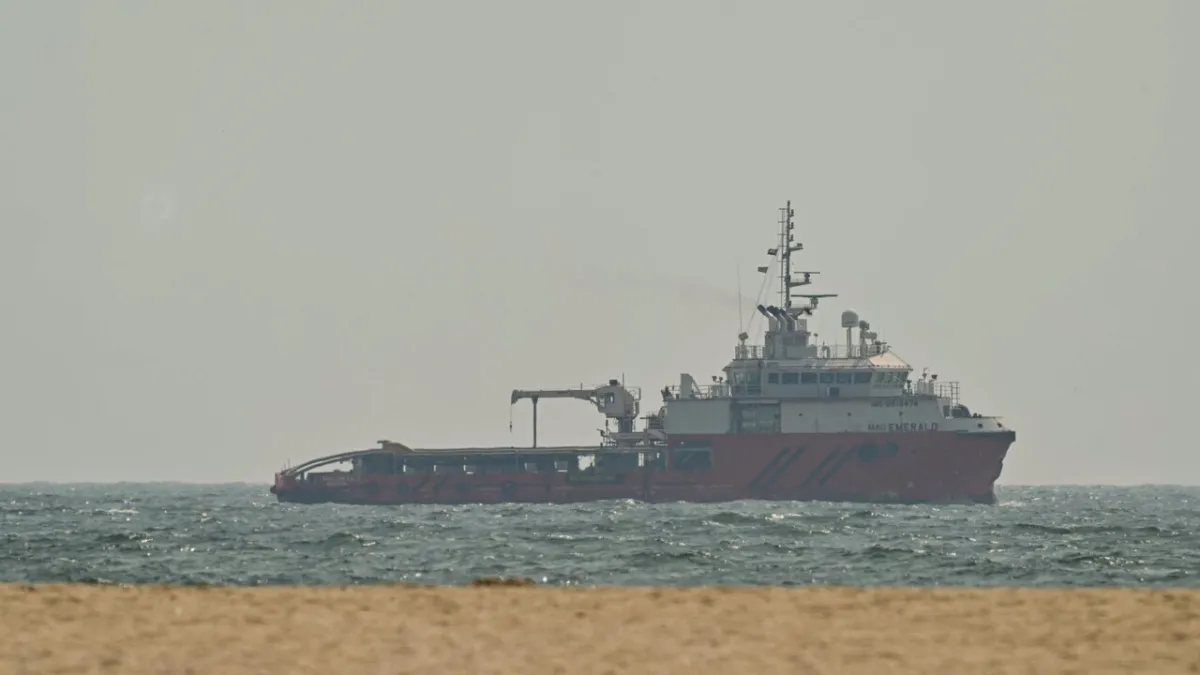
MIDDLE EAST — The Middle East region is once again in a fierce turmoil today, as Iran provocatively announced the potential closure of the vital Strait of Hormuz while simultaneously launching a series of precise missile attacks on targets in the United Arab Emirates, Bahrain, and Qatar. These aggressive actions immediately triggered a military response from the United States, which conducted retaliatory air strikes, further complicating the already fragile geopolitical situation in 2026.
Tensions escalated after intelligence reports confirmed the presence of Iranian missiles in Jordanian territory, indicating Tehran's expanding reach and strategy. The closure of the Strait of Hormuz, a crucial global oil shipping lane, could paralyze the world economy and drastically drive up energy prices.
Iranian missile attacks struck several strategic facilities and critical infrastructure in the United Arab Emirates, Bahrain, and Qatar. Local sources reported massive explosions heard in several major cities, triggering high-level security alerts and mass evacuations in affected areas.
The Ministry of Foreign Affairs of the United Arab Emirates, in an official statement, strongly condemned the attacks as an "act of state terrorism" and called on the international community to take decisive action. They emphasized that the sovereignty of Gulf states must be fully respected and such aggression cannot be tolerated.
The United States military, with its substantial presence in the region, immediately confirmed that it had conducted "defensive retaliatory strikes" against Iranian targets involved in the latest aggression. The Pentagon stated that these operations aimed to protect American interests and its allies, as well as maintain regional stability.
The potential closure of the Strait of Hormuz by Iran is not the first time such a threat has emerged in the history of regional tensions. However, this time the move is considered more serious given the scale of the missile attacks launched simultaneously. The Strait is one of the world's most important maritime choke points, with about one-third of the global oil supply passing through this route daily.
Threats to freedom of navigation in Hormuz have significant global implications. Energy market analysts predict a surge in crude oil prices and a potential supply crisis if this route is completely blocked for an extended period. Shipping companies have been instructed to increase vigilance or seek safer alternative routes.
These developments are the culmination of a series of incidents and harsh rhetoric between Tehran and Washington, as well as America's regional allies. After several relatively calm years, this military escalation marks a new chapter in the dynamics of conflict in the Persian Gulf.
The Jordanian government, although it has not yet issued a detailed official statement regarding Iranian missiles in its territory, reportedly increased its air defense readiness. The presence of Iranian missiles in that location adds to the complexity of the conflict, indicating that Tehran's sphere of influence is not limited to the Gulf states.
The international community expressed deep concern over this escalation. The Secretary-General of the United Nations called on all parties to exercise restraint, cease provocative actions, and return to the negotiating table to seek a peaceful resolution. "The risk of a full-scale regional war is now real," said a UN spokesperson.
Political observers assess that the situation is highly precarious and has the potential to trigger a wider conflict that could draw in other global powers. Uncertainty in the Middle East will directly impact global economic and security stability.
The governments of Saudi Arabia and other member states of the Gulf Cooperation Council (GCC) have held emergency meetings to discuss collective response measures against Iranian aggression. Regional solidarity is key in facing this common threat.
The United States has reaffirmed its commitment to protecting its allies and ensuring freedom of navigation in international waters. The deployment of additional military assets to the region is not ruled out as part of deterrence and response efforts.
Similar tensions have occurred before, but the intensity and coordination of the missile attacks this time indicate Iran's more structured readiness. Global defense analysts refer to this as a "very dangerous game" being played by Tehran.
Diplomats from various countries are now racing against time to try to de-escalate the situation through closed diplomatic channels. However, with both sides showing a hardline stance, the prospects for de-escalation appear grim.
Communities in the Persian Gulf live in heightened anxiety, especially after experiencing explosions in several cities. Daily life is disrupted by uncertainty and the looming threat to security.
For additional information regarding the context of the conflict in the Strait of Hormuz, readers can further explore our previous article titled "Middle East Simmers: Iran Blocks Hormuz 2026, US on Full Alert" to gain a comprehensive understanding of the background to these tensions.
The world now waits with bated breath, hoping that diplomatic steps can prevent further escalation into a full-scale armed conflict that would devastate regional and global stability.