 Debby Wijaya
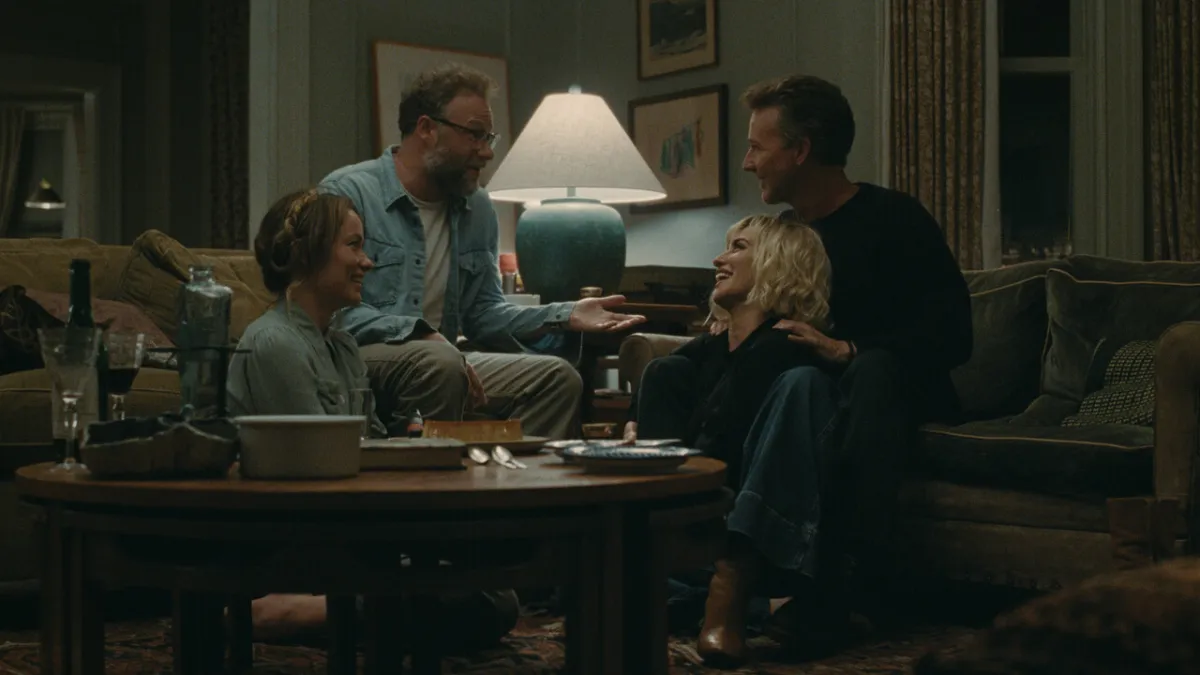
LOS ANGELES – Visionary director Olivia Wilde once again captivates the cinema world with her latest work, "The Invite", officially released in early 2026 and quickly becoming the talk of critics and audiences alike. This ambitious film intricately weaves a narrative of profound exploration into the complexities of human relationships, supported by a stellar cast including Penélope Cruz, Edward Norton, and Seth Rogen. Wilde, known for her artistic touch in dissecting social dynamics, likens the interactions between characters in "The Invite" to a "jazz group" – harmonious yet full of unpredictable improvisations.
Since its premiere at several prestigious film festivals, "The Invite" has garnered praise for its bold narrative. Critics highlight how Wilde cleverly uses the "jazz group" metaphor to depict the fragility and beauty of interpersonal connections. Each character, with their distinct backgrounds and internal conflicts, interacts like musicians complementing each other, sometimes clashing, but always creating a cohesive melody.
This cinematic project marks a significant evolution in Olivia Wilde's directorial journey. Following the success of her previous films, "The Invite" showcases a more mature storytelling and deeper character development. She not only presents typical romance or friendship dramas but delves into layers of often-hidden emotions.
Penélope Cruz, portraying a central figure, delivers a breathtaking performance hailed as one of her best. She masterfully embodies the character with rich emotional nuances, serving as an anchor for the film's relational dynamics. Meanwhile, Edward Norton and Seth Rogen, with their distinctive acting styles, provide intriguing contrasts, generating tension and relief throughout the storyline.
According to Wilde in an exclusive interview, the primary inspiration for "The Invite" stems from her personal observations of how individuals depend on each other and form identities through interaction. "Relationships are a complex dance, where everyone brings their own rhythm and melody," Wilde expressed, "I wanted to capture that essence, how we influence and adapt to each other, much like jazz musicians dialoguing through their instruments."
The cinematography and production design of "The Invite" also deserve commendation. Every scene is meticulously crafted to support the story's atmosphere, creating an immersive visual experience for the audience. The choice of colors, lighting, and even filming locations reinforce the message about the complexity of emotions intended to be conveyed.
Public response to "The Invite" has been overwhelmingly positive. Cinemas are filled with eager viewers curious to experience this distinctive drama of relationships. Discussions about the philosophical meaning behind the "jazz group" analogy and personal interpretations of the film's characters are flourishing across social media and online forums.
The success of "The Invite" solidifies Olivia Wilde's position as one of Hollywood's most influential female directors today. Her ability to draw audiences to essential issues of humanity, packaged in entertaining and thought-provoking viewing, is a hallmark of her work. This film not only entertains but also invites viewers to reflect on the importance and challenges in every relationship they navigate.
This phenomenon recalls discussions about the depth of human stories, also highlighted in an article concerning The Phenomenon of Aurora Striparo, which emphasized how personal narratives can captivate the world.
"The Invite" is expected to set a new benchmark for the relational drama genre, encouraging filmmakers to more boldly explore the psychological depths of characters and their interactions. It serves as a reminder that amidst the bustle of modern life, the essence of human connection remains a timeless theme, always relevant to be retold.
Editorial Insight:
"The Invite" is not merely a conventional drama film; it is an artistic statement from Olivia Wilde regarding the essence of human existence within the intricate web of relationships. Her metaphorical approach of a "jazz group" is exceptionally clever, managing to simplify complexity without diminishing its depth. The film's success will likely spark a new wave in the drama genre, where psychological exploration and character interaction become more dominant than conventional plot narratives. Its impact could extend, inspiring further discussions on mental health and the quality of relationships in a digitally connected yet often disconnected age.