 Chris Robert
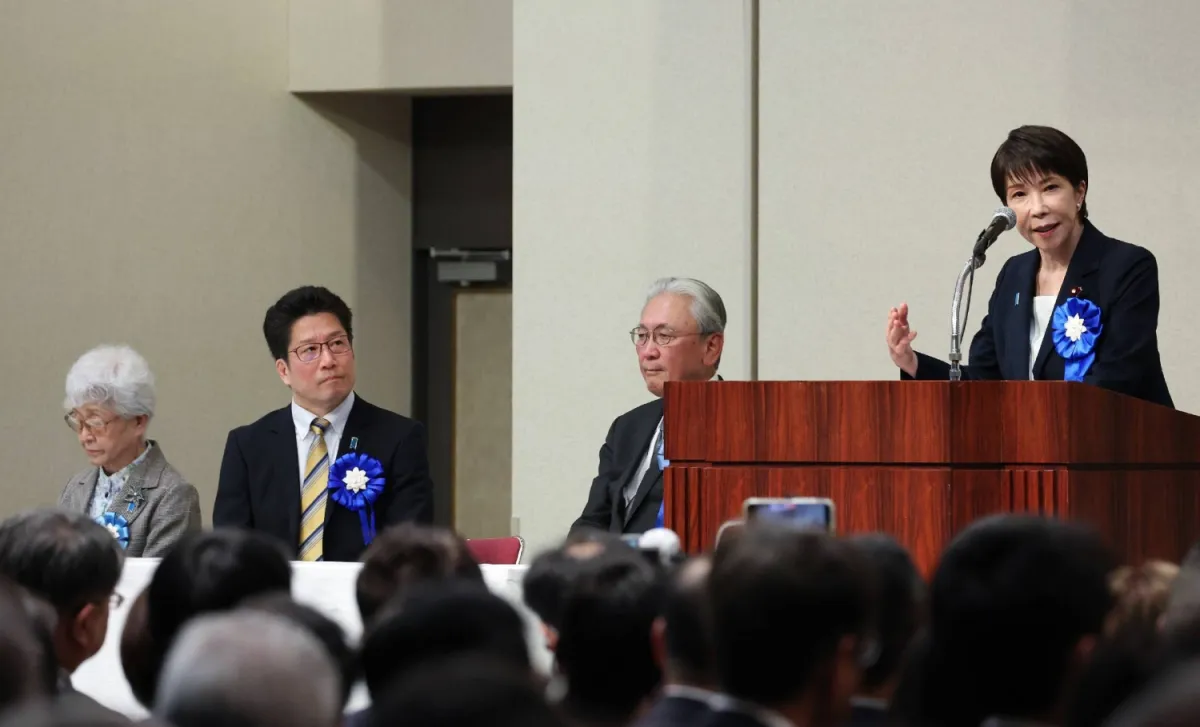
TOKYO – Thousands of hearts united in one plea: Bring them home! Over 800 Japanese citizens flooded the streets of the capital city, Tokyo, in 2026, staging a massive rally urging North Korea to immediately end the tragedy of abducting dozens of their citizens, a plight that has spanned decades. This humanitarian action was organized with the great hope that the Pyongyang government would act before the generation of the victims' parents passes away, making the issue even more urgent.
The demonstration, held in downtown Tokyo, was filled with banners displaying the sorrowful faces of abduction victims and emotional shouts from participants. They voiced deep disappointment over the slow progress in resolving a case that has left deep wounds for many families in Japan. Solidarity was clearly visible, uniting various segments of society in this noble mission.
The abduction of Japanese citizens by North Korean agents primarily occurred between the 1970s and 1980s. Pyongyang officially admitted to abducting 13 Japanese nationals in 2002 and allowed five of them to return to Japan. However, Tokyo believes at least 17 of its citizens were abducted, urging further investigation into the fate of the remaining individuals.
One of the main drivers behind the 2026 rally is the aging generation of the victims' parents. Many of them are now in their twilight years, pleading for one last chance to reunite with their children. Time is running out, adding a dimension of urgency to every call made.
In a resolution jointly adopted by the rally participants, they demanded the unconditional return of all abducted citizens. The resolution also called on the international community to increase pressure on North Korea, emphasizing that this humanitarian issue is not merely a bilateral affair between Japan and North Korea.
The Japanese government, under the current Prime Minister's leadership, has repeatedly affirmed its commitment to resolving this abduction issue. Various diplomatic efforts, including direct dialogue and appeals through international forums, continue. However, North Korea's response tends to be uncooperative, often rejecting requests or providing unsatisfactory information.
North Korea itself maintains that the abduction issue has been 'resolved' with the admission and return of five victims in the early 2000s. They claim that other victims have died or were never abducted. This secretive stance remains the biggest obstacle to progress in negotiations and the pursuit of truth.
The psychological and social impact of this tragedy is immense. Victims' families have lived in uncertainty for decades, bearing an immeasurable emotional burden. Every rally, every plea, is a reflection of an undying hope for clarity and justice.
The abduction issue also stands as one of the main impediments to the normalization of relations between Japan and North Korea. As long as this problem remains unresolved, the prospects for constructive dialogue and peace in the East Asian region will continue to be hampered by the shadows of a dark past.
Civil society movements and non-governmental organizations (NGOs) in Japan play a crucial role in keeping this issue relevant in public discourse and on the political agenda. Through awareness campaigns, fundraising, and advocacy, they continue to provide support to the victims' families and pressure the government not to neglect its responsibilities.
Moving forward, coordinated international pressure and more innovative diplomatic efforts may be key to breaking the deadlock. Global solidarity is hoped to provide significant momentum for North Korea to finally comply with these humanitarian demands.
Editorial Insight:
The abduction of Japanese citizens by North Korea is a dark stain on the history of bilateral relations between the two countries, as well as a reflection of the geopolitical complexities in East Asia. The 2026 Tokyo rally is not merely an emotional outburst, but a stark reminder that humanitarian issues know no time limits. Public pressure, both domestic and international, is crucial to keeping this issue alive and compelling Pyongyang to take responsibility. Without a fair and transparent resolution, regional stability will be difficult to achieve.